REVIEW · VALENCIA
Discover the Devesa and the Albufera: Guided tour
Book on GetYourGuide →Operated by Tour Devesa · Bookable on GetYourGuide
Birds, dunes, and quiet in one 5-hour walk. This guided experience aims to get you into a preserved coastal ecosystem far from Valencia’s streets, with expert-led stops focused on plants, wildlife, and conservation. I especially like the way the day is built around Dunes Trail geology and the chance to observe waterbirds near the Albufera.
One thing to think about: the guide is Spanish-only, and while the route sounds great, at least one booking record reported that the tour did not run as expected—so it’s worth double-checking your confirmation and being at the meeting point on time.
In This Review
- Key highlights at a glance
- Why Devesa del Saler and the Albufera feel like another world from Valencia
- The 5-hour flow: what happens from 9:00 to early afternoon
- Meeting at Racó de l’Olla Visitor Center (and the yellow vest cue)
- Dunes Trail and dune bashing: sand movement, adapted plants, and bird chances
- Through the Aleppo pine forest: why Mediterranean trees protect the dunes
- Wetlands and bird watching near the Albufera: flamingos, herons, and migration talk
- Picnic and photo time: eating outside and thinking about rice culture
- Playa de la Devesa del Saler: coastal geography and marine ecosystem protection
- Price and value: what $29 buys you (and when it might not)
- Who this tour suits best (and who should pass)
- Should you book the Devesa and Albufera guided tour?
- FAQ
- How long is the Devesa and Albufera guided tour?
- Where do I meet the guide?
- What stops and activities are included during the day?
- Is the tour guided and in what language?
- What does the tour price include, and what doesn’t?
- What should I bring with me?
- Who isn’t this tour suitable for?
Key highlights at a glance
- Racó de l’Olla Visitor Center is your starting point, with maps and a general introduction
- A signposted Dunes Trail walk with explanations of dune formation and adapted plants
- Time in an Aleppo pine forest, where the tour explains how Mediterranean forests protect the soil
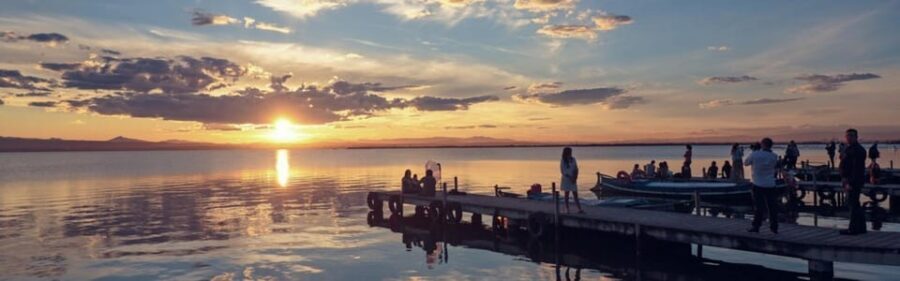
- Bird watching from a wetland area near an observatory, with species like flamingos and herons mentioned
- A final stretch at Playa de la Devesa to compare natural and urbanized coastline
- A built-in picnic window at designated areas, plus a short chat about Valencian rice and paella
Why Devesa del Saler and the Albufera feel like another world from Valencia
If you’ve only seen Valencia from the city core, this is a sharp change of pace. The Devesa del Saler area and the Albufera Natural Park sit in a protected zone where dunes, wetlands, and coastal habitats shape everything from the plants you see to the animals you can spot. The tour leans into that contrast: you start inland through dune and forest settings, then shift toward the water where birdlife gathers.
I like that the guide’s job isn’t just to point at scenery. It’s to explain why those places matter—how species survive there, how migration changes what you might see, and why conservation isn’t an abstract idea. You’ll also get the calm side of nature tourism: fewer distractions than a standard sightseeing loop, more time for slow observation and questions.
The day does include some more physical elements, like dune bashing and multiple walking sections. If you prefer gentle strolls only, this is still doable for many people, but it’s not a sit-and-look tour.
You can also read our reviews of more guided tours in Valencia

The 5-hour flow: what happens from 9:00 to early afternoon
This guided tour runs for about 5 hours, starting in the morning and finishing in the early afternoon. It’s built as a sequence of habitat changes, so each part feels like a new mini-world rather than a single long walk.
You’ll start with a welcome at the visitor center, then move to dune terrain, then into pine forest, then to a wetland/bird area near the Albufera. After a picnic break, you finish at Playa de la Devesa, where the tour shifts from wildlife focus to coastal geography and how the marine ecosystem is protected.
There are also time buffers baked in: a short free/photo window during the break, plus a question-and-wrap-up segment at the end back at the visitor center.
Meeting at Racó de l’Olla Visitor Center (and the yellow vest cue)
You meet at Racó de l’Olla, Centro de Interpretación del Parque Natural de l’Albufera. The tour gives you a general introduction to what you’ll see, and you’ll get maps and brochures to help you connect the dots as the day unfolds.
The guide wears a yellow reference vest, which is helpful because it’s easy to misread meeting points at nature sites. The meeting location is also clear on the street side (Carrer de Vicent Baldovi, Pobles del Sud), so you can orient yourself before you arrive.
If you’re arriving by public transport, plan a little extra buffer. Transportation to and from the meeting point is not included, so arriving smoothly matters more than with a door-to-door tour.
Dunes Trail and dune bashing: sand movement, adapted plants, and bird chances
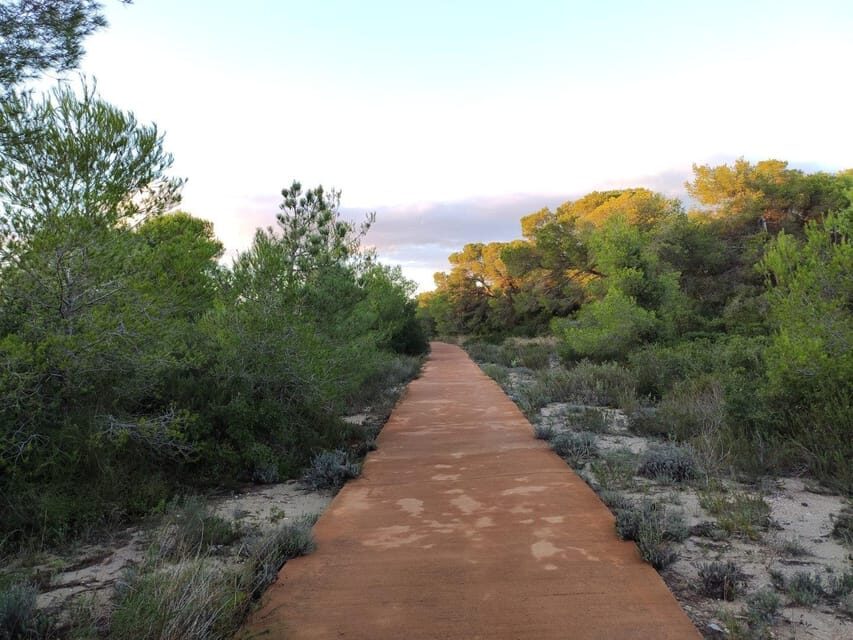
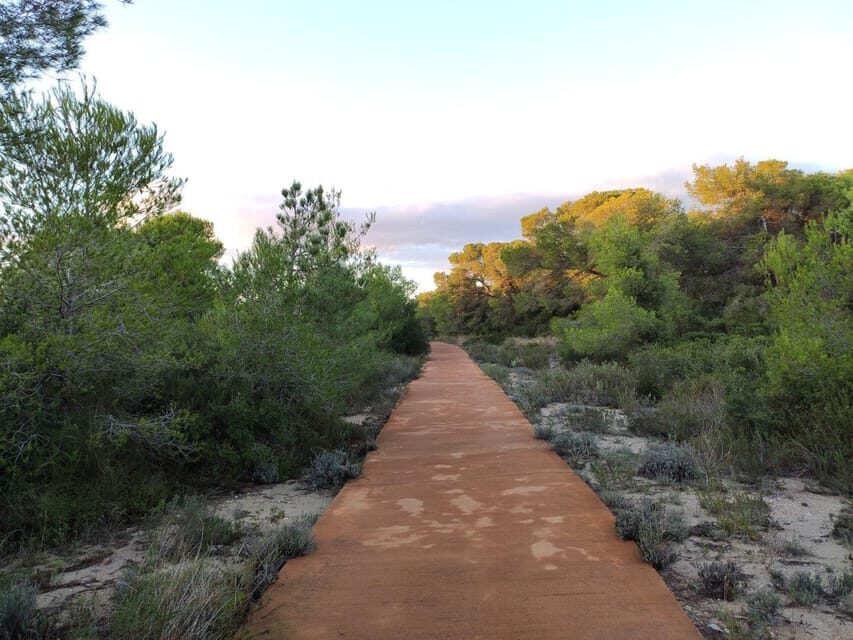
The tour kicks off with a dune-focused start. First comes the Dunes Trail, described as a signposted route that crosses dune formations. The guide explains how dunes form and how plants adapt to that shifting, salty, sandy environment. Plants mentioned include barron and sea thistle.
This is also where you’ll likely get your first real sense of why the Devesa del Saler ecosystem is protected. Dunes aren’t just “pretty sand.” They’re living geography. The explanation is the point: you’re learning how the landscape works, not just taking photos.
Then there’s a dune bashing segment listed for about 1.5 hours. I’d treat this as the most rugged portion of the itinerary. Even if you’re not doing anything extreme, dune bashing usually means uneven ground and a bouncy, hands-on style of movement through sand. If you’re sensitive to rough terrain, take that seriously and pace yourself.
What to watch for during this phase:
- Small birds or quick glimpses above the dunes (wetland birding comes later, but early sightings can happen)
- The contrast between stable-looking patches and areas that look like they’re shifting constantly
- The plant adaptations the guide calls out as you walk
Through the Aleppo pine forest: why Mediterranean trees protect the dunes
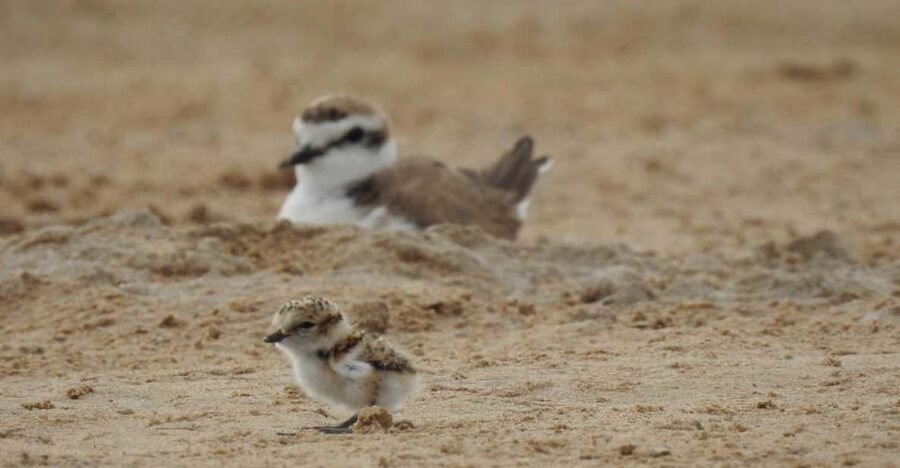
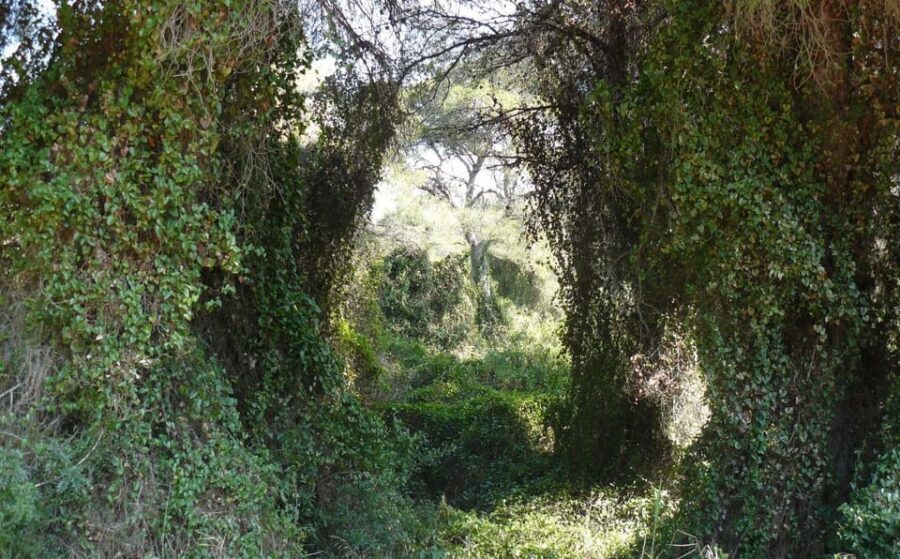
Next, the route moves into a pine forest area with Aleppo pine. This stop isn’t just “nice trees.” The guide explains the role of Mediterranean forest plants and how they help protect the soil and local fauna.
That explanation helps you connect the dots between dunes and forest. In these coastal ecosystems, vegetation is often a stabilizer—something that slows down erosion and creates safer micro-habitats for smaller life. By the time you reach the wetlands part of the tour, you’ll have a better mental model for what supports the food chain and what shelters wildlife.
A practical detail: you’ll be walking and listening for long stretches, which is ideal if you enjoy a guided “learn as you go” style rather than passively following a group.
Possible drawback here: shade can be limited depending on the time of year and how the light falls. Bring your hat and use sunscreen as needed, because later stops near open sand and water can also be sun-heavy.


Wetlands and bird watching near the Albufera: flamingos, herons, and migration talk
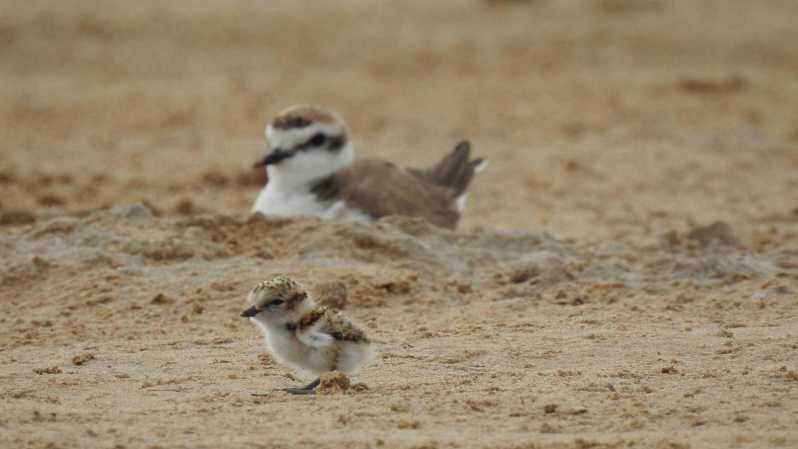
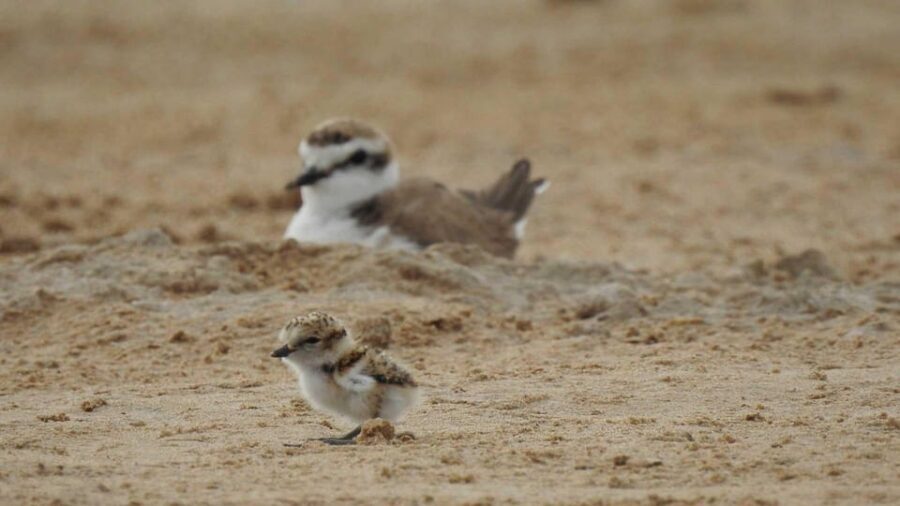
After the forest, you reach a wetland area near the Albufera. This portion is essentially bird watching from an area described as equivalent to a bird observatory. The guide’s focus is on waterbirds and how migration and biodiversity shape what you might see.
Flamingos and herons are specifically mentioned, so bird lovers can anchor their expectations there. Even if your exact sightings vary day to day, the tour is designed to help you notice birds in a conservation-minded way—watching with respect for habitats, not rushing for checklist photos.
Why this stop is valuable beyond spotting animals:
- You’re learning what makes wetlands special in the first place
- The guide discusses migrations, so your observations become part of a bigger seasonal story
- The tour frames wildlife viewing as tied to protection, not just entertainment
Also, the highlights mention unique boat rides. While the detailed stop list emphasizes walking and viewing areas, the boat element is part of the overall tour design. If boat time is included on your day, it can be a big upgrade for getting closer views without disturbing the birds.
Picnic and photo time: eating outside and thinking about rice culture
About halfway through, you get a lunch break plus free time for photos. The picnic happens at designated picnic areas in nature.
You’ll be recommended to bring your own food and drinks. There’s also a short talk about regional culinary traditions, including the importance of rice and Valencian paella. That matters because it ties the day’s ecology to local culture. The Albufera and surrounding areas have a deep connection to rice-growing landscapes and water management, so the food talk doesn’t feel random.
What I like about this structure is that you’re not forced into a single rigid schedule. You can reset, drink water, and take photos without feeling rushed. Just don’t treat the break as a long standalone rest—there’s still beach time after.
Playa de la Devesa del Saler: coastal geography and marine ecosystem protection
The final guided segment takes you to Playa de la Devesa. This part is less about wetlands and more about coastal understanding: the tour explains coastal geography and what makes this natural beach different from more urbanized beaches in Valencia.
You also learn about measures to protect the marine ecosystem. This is the last step in the conservation thread that the whole day carries. You’re ending where you can see a boundary between land and sea habitats and how human impact is managed.
Time on the beach is listed as about 105 minutes, which gives you enough breathing room for a real walk along the shore—assuming conditions and your comfort level. The best approach is to keep listening while you’re there, since the tour points out differences and protection ideas that you might miss if you just treat it as any other beach stop.
Price and value: what $29 buys you (and when it might not)
At $29 per person for roughly 5 hours, this is priced like a mid-range nature guided experience. The value comes from the mix of habitat stops—dunes, pine forest, wetlands for bird watching, then a beach wrap. You’re also paying for interpretation: the guide’s job is to explain plant adaptations, dune formation, forest roles, and migration.
There’s also the practical convenience of access design: the tour description mentions skip the line via a separate entrance. That’s not flashy, but it can save time when visitor centers and parks get busy.
The downside on value is risk of disappointment if the tour doesn’t run as scheduled. At least one booking record described a situation where the tour did not happen and called it a scam. I can’t verify the cause from the limited info, but I can tell you what protects you: confirm your reservation details, arrive early enough to find the guide wearing the yellow vest, and keep an eye on any day-of communication you receive.
If you want a peaceful nature day with guided ecology and bird-focused watching, I think the price makes sense. If you need guaranteed sightings of specific species or a smooth, friction-free day with no surprises, nature tours always have some variability.
Who this tour suits best (and who should pass)
This fits best if you like:
- Guided learning in outdoor habitats, not just photo stops
- Bird watching from a structured observatory-style setting
- A day that ends with a beach that’s connected to ecology, not just sand time
- Cultural context blended into nature (the rice/paella talk during picnic time)
It’s less ideal if:
- You need the tour in a language other than Spanish (the guide is listed as Spanish)
- You are outside the stated suitability limits: it’s listed as not suitable for babies under 1 year, people over 95, and people over 70
One more practical note: bikes aren’t allowed, and baby carriages aren’t allowed. If you’re traveling with mobility tools or planning for very young kids, you’ll want to rethink fit before booking.
Should you book the Devesa and Albufera guided tour?
I’d book if your goal is a guided nature day around Devesa del Saler and the Albufera, with time for dunes, pine forest, bird watching, and a structured finale at Playa de la Devesa. The itinerary’s strength is its habitat variety: you get multiple ecosystems in one morning-to-afternoon window, with conservation-minded explanation that turns scenery into understanding.
I’d hesitate if you’re relying on it as a tightly planned, one-and-done experience with no flexibility. Given at least one negative booking report about the tour not happening, you should treat confirmation and arrival timing as part of your prep, not an afterthought. If you’re the type who likes to show up early, read instructions carefully, and be ready to pivot, this tour can be a great way to see Valencia’s natural side.
FAQ
How long is the Devesa and Albufera guided tour?
It lasts about 5 hours, running in the morning and ending in the early afternoon.
Where do I meet the guide?
You meet at Racó de l’Olla, Centro de Interpretación del Parque Natural de l’Albufera. The guide wears a yellow reference vest.
What stops and activities are included during the day?
You’ll start with an introduction at the visitor center, then go on a dunes trail walk, enter an Aleppo pine forest, do bird watching in a wetland area near the Albufera, take a lunch break in a designated picnic area, and finish with a visit to Playa de la Devesa. Dune bashing and viewpoints are also part of the plan.
Is the tour guided and in what language?
Yes. There is a live tour guide, and it’s listed as Spanish.
What does the tour price include, and what doesn’t?
It includes the guide, the hiking route, bird watching, access to viewpoints and picnic areas, and educational activities. Transportation to and from the meeting point and maintenance are not included.
What should I bring with me?
Bring a hat, food and drinks, sunscreen (biodegradable sunscreen is specifically mentioned), and a reusable water bottle.
Who isn’t this tour suitable for?
It isn’t suitable for babies under 1 year, people over 95, and people over 70.