REVIEW · VALENCIA
VALENCIA ESSENZIALE + SITI PATRIMONIO UMANITÀ (ITALIANO)
Book on GetYourGuide →Operated by Turiart · Bookable on GetYourGuide
UNESCO in two hours sounds intense. I love that you step inside Lonja de la Seda and learn the living traditions behind the Tribunal de las Aguas, and I also like how the tour ties those stops to Valencia’s UNESCO connection through Fallas; the only real drawback is the pace, so you’ll want comfortable shoes.
You start at the Estación del Norte tourism hub (West Tower, ground floor) and finish back there, which makes the whole thing easy to plug into your day. If you pick the option, a tapa + drink stop at the end gives you a relaxed way to cool down after the walking.
In This Review
- Key highlights
- Why Valencia’s UNESCO trio matters: Silk, water, and Fallas
- Meeting at Estación del Norte: easy start, clear directions
- The Silk Exchange inside Lonja de la Seda
- Tribunal de las Aguas: a living tradition tied to water
- Fallas as UNESCO: ephemeral art, fire, and fireworks
- City Hall entry and the walking link through Valencia’s center
- Optional tapas + drink: where the tour lets you slow down
- Price and timing: is $21 good value for this UNESCO walk?
- Who this tour fits best
- Should you book VALENCIA ESSENZIALE + SITI PATRIMONIO UMANITÀ?
- FAQ
- What does the tour include?
- How long is the guided walk?
- Where does the tour start?
- What are the three UNESCO World Heritage focuses?
- Do I need to pay extra for entry tickets?
- Is the tapas stop included?
- What language is the guide?
- Is it accessible for wheelchair users?
- What should I bring?
Key highlights
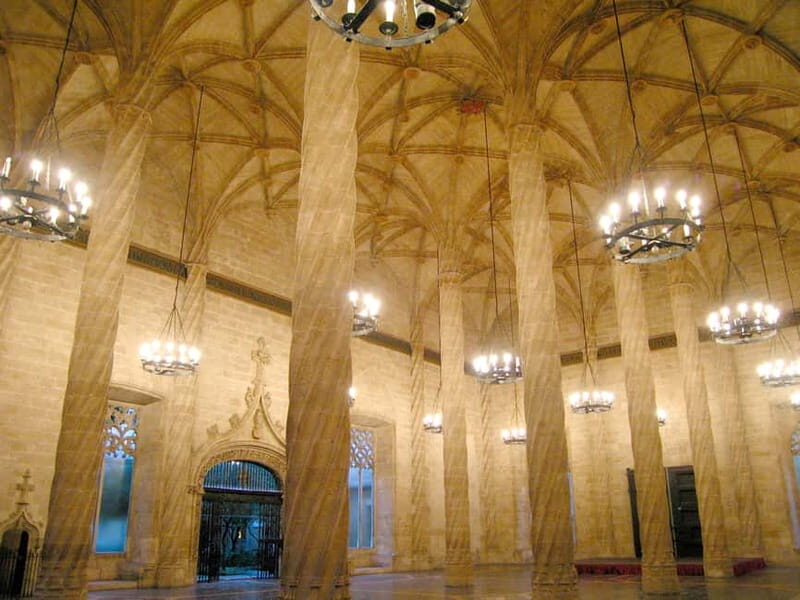
- Lonja de la Seda entrance included so you’re not just looking from outside
- Tribunal de las Aguas focus on how Valencia’s water traditions are kept alive
- Fallas explained as UNESCO culture (ephemeral art, fire, and fireworks)
- City Hall entry included to connect civic life with the old city center
- Italian local guide with real story power (the name Sara comes up in feedback)
- Optional tapas + drink tasting near the end of the route
Why Valencia’s UNESCO trio matters: Silk, water, and Fallas
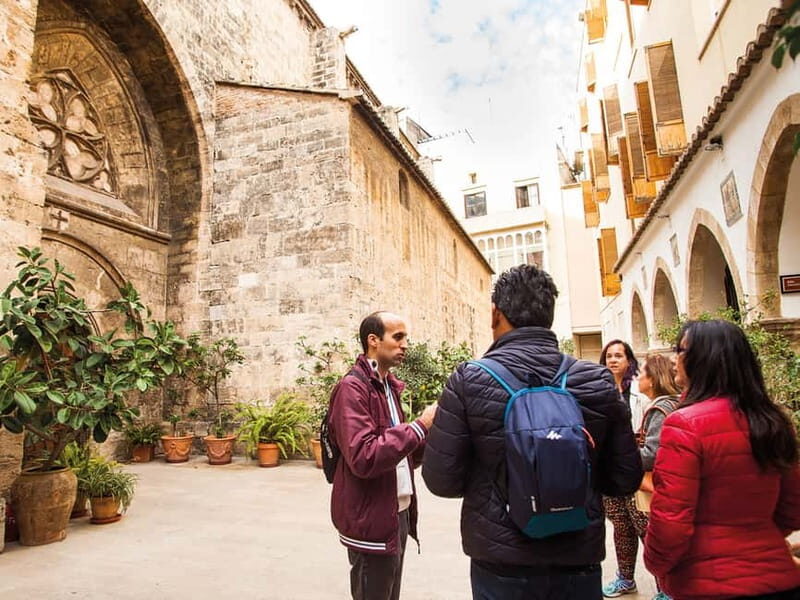
This tour is built around a simple idea: Valencia doesn’t just have old buildings. It has old practices and old celebrations that still shape everyday identity. That’s why the experience centers on three UNESCO-recognized items, all with very different vibes.
First up is the Lonja de la Seda, the Silk Exchange. You get an entrance ticket, which is the difference between seeing a landmark and actually understanding it. Your guide’s job here is to connect what you see to why it matters culturally, not just what it looks like.
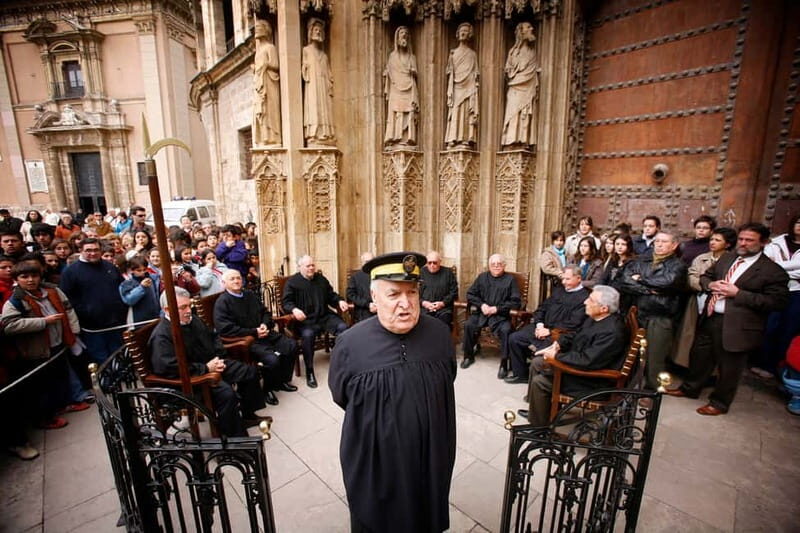
Then comes the Tribunal de las Aguas—the Water Tribunal. Even if you know nothing about it beforehand, the name alone tells you this is about governance tied to something basic: water. The tour uses the Tribunal as a way to show how Valencia preserved a tradition that still functions as a symbol of local life.
The third UNESCO item is Fallas, described in the tour as an annual festival with ephemeral art, fire, and fireworks. This is where the tour gets more emotional. Buildings last; Fallas changes every year. By including it, the walk expands beyond stone-and-tiles sightseeing into culture-as-performance and tradition-as-community.
And yes, it’s unusual to have three UNESCO entries grouped into one guided walk. That’s the point: you get a fast but structured snapshot of why Valencia earned those UNESCO labels in different categories of culture.
You can also read our reviews of more tours and experiences in Valencia.
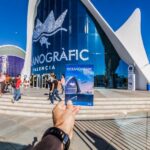


Meeting at Estación del Norte: easy start, clear directions
I like tours that start where you can’t get lost. Here, you meet at the Tourism Hub at Estación del Norte, the North Station in Valencia. Look for the West Tower (the one on the right when you face the station), and head to the ground floor.
If you prefer the subway, the closest metro stop listed is Xàtiva. The route ends back at the meeting point too, so you don’t need to plan your exit strategy in the middle of the walking portion.
Practical tip: Valencia streets can be busy and a 2-hour tour moves with purpose. Arrive a few minutes early so you can check in, meet your guide, and settle before the walk starts.
The Silk Exchange inside Lonja de la Seda
Lonja de la Seda is the flagship stop on this tour for a reason: it’s one of the three UNESCO properties, and your ticket is included. That means you’re not paying extra on the spot, and it means the guide can spend time on the story instead of waiting around for ticket lines.
What I like about this stop is the way it anchors everything else. When you learn about the Silk Exchange as a UNESCO site, it helps you read the city’s past through commerce and craftsmanship rather than only through religion or kings.
What to expect:
- You’ll enter the building with your guide
- The guide explains why Lonja de la Seda is one of Valencia’s World Heritage properties
- You’ll use it as a base point for understanding the rest of the walk
One consideration: because entry is included, this stop can feel like the main event even if you’re only there for part of the 2 hours. If you’re the type who wants slower time and longer photo breaks, you’ll likely wish the tour had more than 2 hours.
Tribunal de las Aguas: a living tradition tied to water
The Tribunal de las Aguas stop gives the tour its second personality. Instead of a monument that mainly stands still, this UNESCO element is tied to something people depend on.
The tour frames it as Valencia’s Water Tribunal, and that labeling matters. It tells you to pay attention to the idea of water as a shared resource managed through tradition. Your guide’s storytelling is the tool here. In feedback, the most praised element isn’t just the landmarks—it’s the guide’s explanations and narratives, including the feeling of being told the why behind the what.
What you’ll get during this part:
- A guided introduction to the Tribunal as a World Heritage property
- Context that connects it to the city’s cultural identity
- A shift from architecture to tradition
If you like experiences where you walk away understanding how people organize their community, this stop is a strong match. If you only care about taking photos of big famous exteriors, you may find this section less visually dramatic. Still, the culture angle is the whole point of the tour.
Fallas as UNESCO: ephemeral art, fire, and fireworks
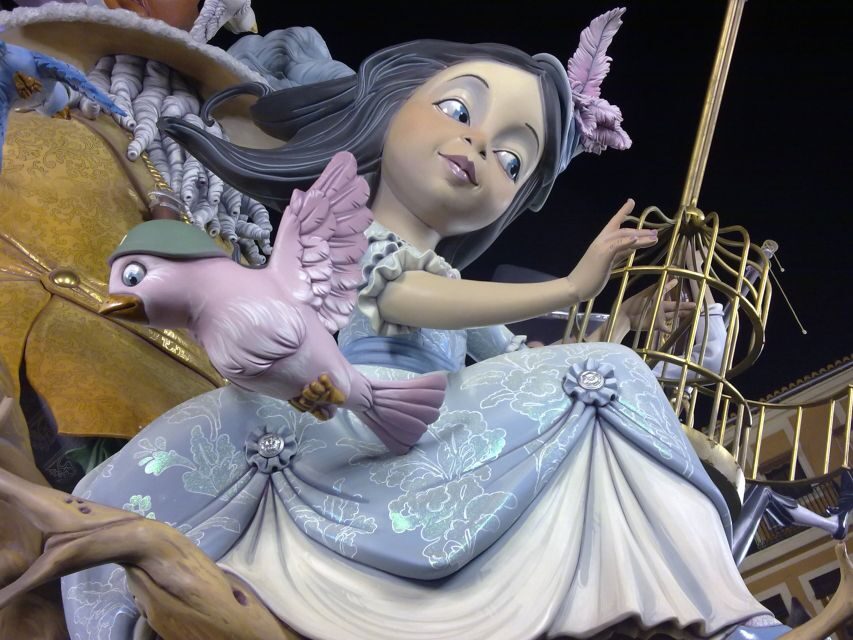
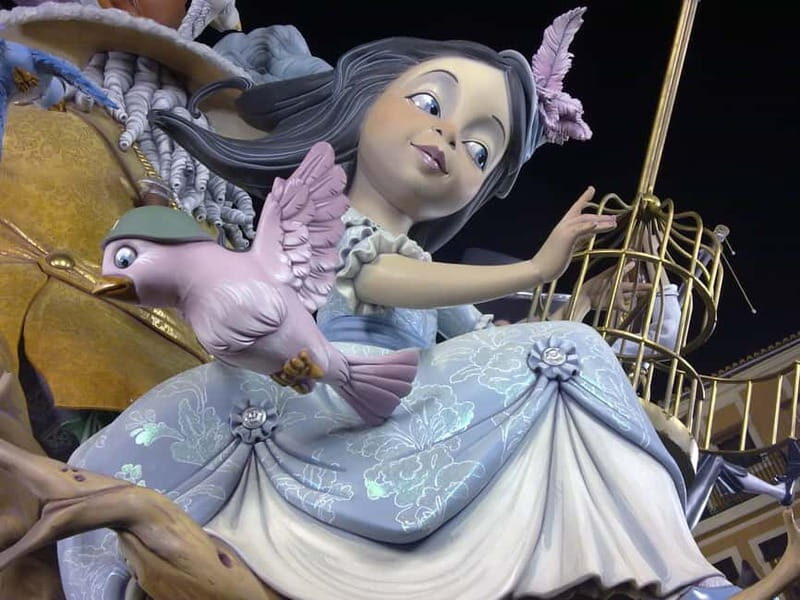
Then the tour turns to Fallas, described as an annual festival featuring ephemeral art, fire, and fireworks. That phrase is doing a lot of work. It explains why Fallas fits UNESCO culture: it’s not just a show. It’s a recurring creative process where the meaning lives in the moment and in the community that builds it.
Even if you’re visiting outside festival season, your guide can still help you understand what Fallas represents. The most useful angle is seeing how the city thinks of temporary art and spectacle as part of its identity, not a random event in the calendar.
What to expect from this part of the walk:
- You’ll learn how Fallas connects to UNESCO recognition
- You’ll understand the idea of ephemeral art as cultural heritage
- You’ll get stories that help you picture what you’re hearing about
A consideration: because Fallas is seasonal, you might not see festival structures up close depending on when you go. The value here is learning the cultural logic, not treating the tour as a guaranteed fireworks viewing plan.


City Hall entry and the walking link through Valencia’s center
Between the UNESCO anchor stops, you’re on foot through Valencia’s historic center. That walking time matters more than it sounds. It’s what turns three separate tickets into a coherent story about the city’s identity—civic life, cultural tradition, and public memory all in one route.
A big plus is that the tour includes entrance fee to Valencia’s city hall. Even if city hall is familiar to you from other places, here it works as a bridge. It helps you connect the city’s institutions to the cultural expressions you just heard about through Lonja de la Seda and the Tribunal.
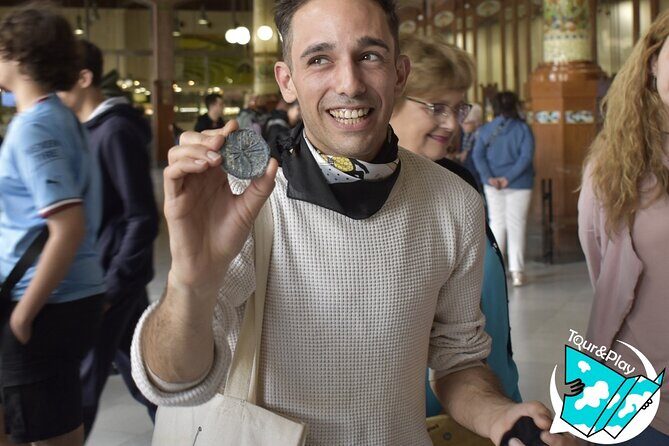
Also, the guide is a key ingredient. In feedback, the guides are described as kind and full of stories—one name that comes up is Sara. That matters because this experience isn’t a checklist. The whole point is interpretation.
What to watch for as you walk:
- Your guide’s explanations can make streets and squares feel purposeful
- Each stop tends to reframe the previous one
- You get a clear end point back at the meeting location
If you hate group pacing, a walking tour can feel like a squeeze. But if you’re good with moving at a tourist-friendly speed for 2 hours, you’ll probably find the structure keeps you from overthinking logistics.
Optional tapas + drink: where the tour lets you slow down
If you choose the option with tastings, the tour ends with a tapa + drink. The good detail here is that it’s not just thrown in at random. The tour says it happens in a special place in the city center near the end of the route, and the guide will show you where to go.
I like this kind of add-on because it solves two problems:
- You’re hungry by the end of a walking tour
- You don’t have to guess where to eat in the middle of a busy area
What’s included depends on your option, but the tour lists the tapa + drink as optional and part of the experience when you select it. Since the place is described as special and guided, you can think of it as a low-effort payoff for paying attention throughout the walk.
One small consideration: if you’re trying to keep your day super controlled (diet, timing, budget), decide in advance whether the tapas option fits. It’s optional, so you can also keep the day moving without it.
Price and timing: is $21 good value for this UNESCO walk?
At $21 per person with a 2-hour duration, this tour is priced like a “high-impact, low-stress” sightseeing option. The value isn’t just the guide. The key value driver is that tickets are included for Lonja de la Seda and Valencia city hall.
When a walking tour includes entries to more than one paid sight, it often beats the strategy of paying separately for each attraction, especially when you’re also paying for local explanation. In this case, you also get a structured look at the UNESCO framing of Lonja de la Seda, Tribunal de las Aguas, and Fallas in one time slot.
Timing-wise:
- The tour runs about 2 hours
- Starting times depend on availability
If you only have one afternoon or one morning to get the “essentials,” this is the right length. If you want slow travel with lots of independent exploring time, you might prefer separate visits where you can linger.
Who this tour fits best
This experience is a strong match if:
- You want Valencia’s UNESCO themes explained without doing research first
- You like guided storytelling that makes monuments and traditions make sense
- You’re happy with a brisk 2-hour walking format
- You want Italian language service for the narration
It’s also a good choice for people who prefer a clean plan: you meet at a clear station location, you enter key sites, and you finish back where you started.
If you’re the type who wants to spend most of the day wandering at your own tempo, this might feel a bit tight. But if you want a focused snapshot that connects the big UNESCO ideas, it’s well built for that.
Should you book VALENCIA ESSENZIALE + SITI PATRIMONIO UMANITÀ?
I think you should book if you want maximum meaning per hour. The combination of Lonja de la Seda entry, city hall entry, and a guided explanation of the UNESCO connection through Tribunal de las Aguas and Fallas makes the tour feel like more than a casual stroll.
Skip it if you’re visiting with a very slow pace, or if you prefer studying sites on your own with zero group movement. Also consider that Fallas is seasonal, so the payoff there is cultural context more than festival visuals.
One final nudge: if you book, bring your curiosity. This tour earns its value through the guide’s stories—especially the kind of narrative feedback that mentions people feeling fully explained and well cared for. In a 2-hour format, that kind of storytelling is what turns “we saw a few places” into “I understand Valencia a bit better.”
FAQ
What does the tour include?
The tour includes entrance fees to Lonja de la Seda (Silk Exchange) and Valencia city hall, plus a guided tour in Italian. It also offers an optional tapa + drink at the end if you choose that option.
How long is the guided walk?
The duration is 2 hours. Starting times depend on availability.
Where does the tour start?
It starts at the Tourism Hub at Estación del Norte (North Station), West Tower, ground floor, Carrer de Xàtiva 24. The nearest metro station listed is Xàtiva.
What are the three UNESCO World Heritage focuses?
The tour focuses on three UNESCO-listed properties: Lonja de la Seda, the Tribunal de las Aguas (Water Tribunal), and Fallas (an annual festival involving ephemeral art, fire, and fireworks).
Do I need to pay extra for entry tickets?
No for the main included sites. The tour includes entrance fees for Lonja de la Seda and Valencia city hall.
Is the tapas stop included?
Not automatically. Tapas + drink is optional, and you can choose the version with tasting at the end of the tour.
What language is the guide?
The live guide language is listed as Italian for this activity.
Is it accessible for wheelchair users?
Yes, the activity is listed as wheelchair accessible.
What should I bring?
The tour information asks you to bring a face mask or protective covering.