REVIEW · VALENCIA
Hiking Tour of the Roman Aqueduct of Peña Cortada and Ruta de Agua
Book on Viator →Operated by Valencia Excursions Club · Bookable on Viator
Roman water runs through this 16km hike, with stops in Calles and Chelva plus river mills and Arabic-era caves. I love the walk across the Roman Aqueduct of Peña Cortada and the way guide Howard connects the scenery to stories you can actually picture. One heads-up: it is a solid outing, around 10 miles/16 km, so plan for moderate fitness and good shoes.
You get private, air-conditioned transport from Valencia, then an English-speaking group limited to 8 travelers. Coffee or tea is included at the start, and there’s time to eat near the river or in Chelva, though lunch costs extra unless you bring a picnic.
In This Review
- Key highlights and why they matter
- Why This Roman Aqueduct + River Trail Works as a Full-Day Plan
- Getting There Comfortably: Valencia Pickup and a Small Group (Max 8)
- Calles Morning Stop: Coffee, a Historic Church, and the Frog Fountain
- Ruta del Agua: Mills, Arabic-Era Caves, and Eucalyptus Shade Along the River
- The 19th-century mill with a hidden mural
- Caves used during the Arabic era for food storage
- Eucalyptus corridor and a real picnic moment
- A place to cool off
- Chelva Break: White Town Walking and the Ruta de los Lavaderos
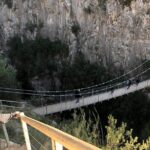
- The Acueducto de la Peña Cortada: 2000-Year-Old Water Engineering and That Nervy Crossing
- What you’re seeing up close
- The crossing feeling: thrill without danger
- Final descent through a ravine
- Pace, Terrain, and What to Pack for a 9-Hour Day
- Footwear and comfort are non-negotiable
- Plan for weather dependence
- Bring layers and water
- Price and Value: Is $108.02 a Fair Deal?
- Who Should Book This Hike (and Who Might Not Love It)
- Should You Book the Roman Aqueduct + Ruta del Agua Tour?
- FAQ
- What is the duration of the hike?
- How much does the tour cost?
- Is the tour offered in English?
- What group size should I expect?
- How far will I walk?
- Is lunch included?
- What’s included in the price?
- Where does the tour start?
- Is the aqueduct crossing safe?
- What happens if the weather is bad?
Key highlights and why they matter
- Roman Aqueduct crossing: real scale, real nerves, and a crossing that still feels steady (per the guide’s reassurance)
- Ruta del Agua variety: mills, old cave storerooms from the Arabic era, and a shaded eucalyptus stretch
- Chelva’s washhouse route: a short pause in town for the Ruta de los Lavaderos vibe and a drink in the main plaza
- Small group pace: max 8 people means questions get answered and the hike can fit the group
- Wildlife and seasonal cues: almond trees may be in bloom, and deer are possible during breeding season
Why This Roman Aqueduct + River Trail Works as a Full-Day Plan
This isn’t just a photo stop. It’s a day where you walk, pause, and actually move through the places that shaped how people lived here: water for farms, mills for work, and towns for daily routines. The Roman aqueduct gives you the big, dramatic anchor, while the river route adds texture—sound of rapids, shade, and time to slow down.
What makes the day feel worth it is the mix. You’re not stuck in one type of scenery. You start in a rural village, shift into the river corridor with old infrastructure, then end with a white-town wander in Chelva and a final drop back down through a ravine.
You can also read our reviews of more hiking tours in Valencia
Getting There Comfortably: Valencia Pickup and a Small Group (Max 8)
The tour includes private transportation from Valencia in an air-conditioned vehicle. That matters because you’re spending most of your energy hiking, not managing transit.
The group is kept small—up to 8 people—and that shows in the pace. In particular, Howard is known for adjusting the walk so it doesn’t feel like a forced march. That’s a big deal on a day that totals about 10 miles/16 km.
You also get a mobile ticket, and the tour is offered in English. If you like to ask questions as you go, this format helps.
Calles Morning Stop: Coffee, a Historic Church, and the Frog Fountain
Your day starts at 9:00 am at Alameda Beers, in El Pla del Real. Then you head to Calles for a calm beginning: coffee or tea and a gentle stroll through the village.
This stop is small but smart. It’s a soft landing before the longer hike. You’ll see a historic church and a quirky local favorite, the Frog Fountain. The whole point here is to start in a human-scale place, not just jump straight into trails.
Practical tip: wear your good footwear from the start. Even with a light village walk, you’ll want your feet ready for the bigger distances later.
Ruta del Agua: Mills, Arabic-Era Caves, and Eucalyptus Shade Along the River
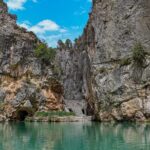
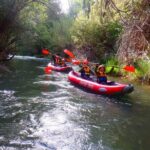
After Calles, you begin the walking portion along the Fluvial section. This is where the day earns its name: you’re following the water’s energy, with fast-flowing rapids nearby and a steady stream of sights as you move.
The 19th-century mill with a hidden mural
One highlight on this river walk is a 19th-century mill. What surprises people is that there’s a colorful mural inside. It’s the kind of detail you’d miss if you were passing through alone.



Caves used during the Arabic era for food storage
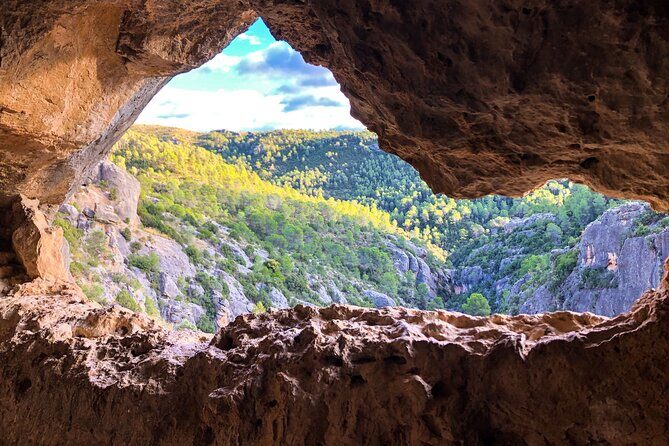
Next, you explore ancient caves that were used for food storage during the Arabic era. These aren’t just “old cave shapes”—the point is what they used to do. You see how people stored food close to the water and the working areas, and Howard ties it together so it feels practical, not just archaeological.
Eucalyptus corridor and a real picnic moment
After the cave and mill segments, you move through a quieter corridor of eucalyptus trees. It’s cooler air, calmer footing, and a break from the noise of the rapids.
There’s also time to enjoy a picnic lunch by the river. One note for budgeting: lunch itself isn’t included as a fixed meal, so you’ll either bring a picnic (especially if you have dietary needs) or handle meals based on what you prefer. This timing is ideal if you want a slower, scenic pause without committing to an expensive restaurant stop.
A place to cool off
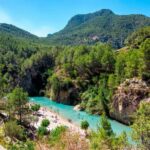
One of the nicest additions comes from the idea that there’s an idyllic swimming hole along the Ruta de Agua where people cool off. If you’re considering it, keep it simple and safe: only use water areas if conditions look right that day.
Chelva Break: White Town Walking and the Ruta de los Lavaderos
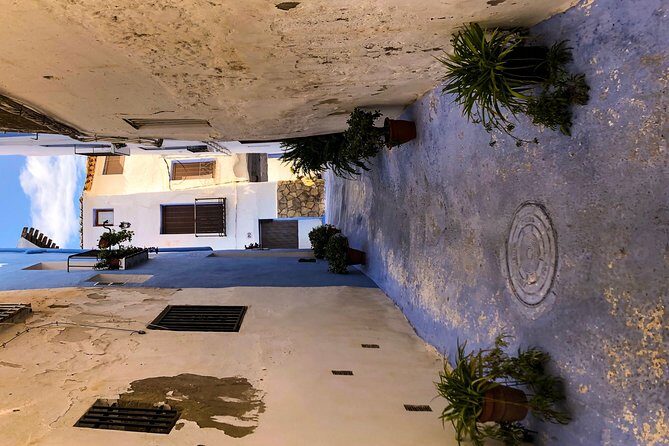
From the river section, you’ll head to Chelva. This is where the day turns more town-like. Chelva is known for its bright white look and a traditional Spanish feel, and you’ll get time to walk around.
You’ll also connect this stop to the Ruta de los Lavaderos. The route features historic stone washhouses and fountains that locals once used for washing clothes. It’s not a museum-style stop; it’s a way to understand how people worked with water every day—very close to the theme of the aqueduct and mills.
You’ll pause in the main plaza for a refreshing drink. This is a good reset point before the final big walk and the aqueduct crossing.
Practical tip: if you like exploring slowly, this is the time to do it. The aqueduct portion comes next, and that part of the day is more about steady walking and being alert for footing and views.
The Acueducto de la Peña Cortada: 2000-Year-Old Water Engineering and That Nervy Crossing
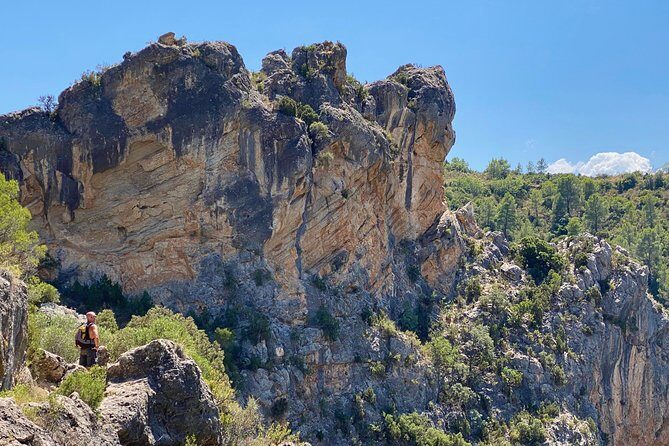
The final stage is the Roman aqueduct, the Acueducto de la Peña Cortada. After Chelva, you walk out toward it through olive groves and pick up wide views back toward town.
Along the way, the season can change what you notice. Almond trees may be in bloom depending on timing, and during breeding season you also might spot deer. This is one of those moments when the walk becomes more than sightseeing—you start scanning the sides of the trail, not just the path ahead.
What you’re seeing up close
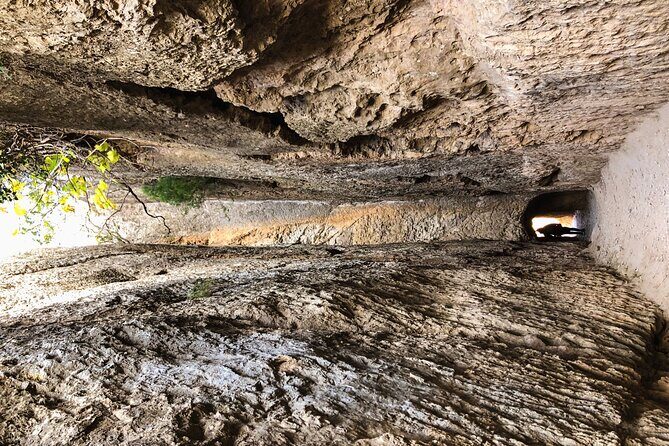
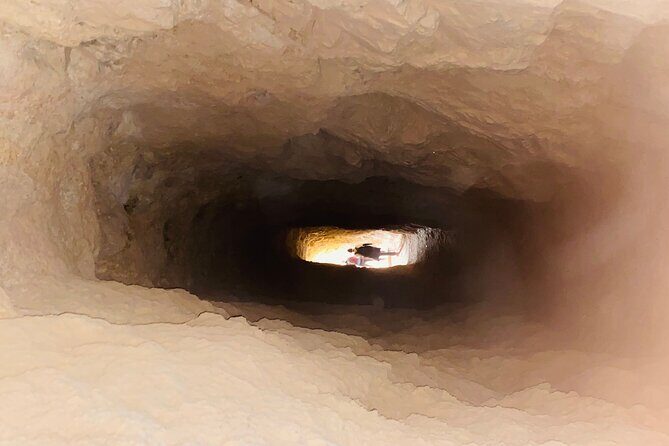
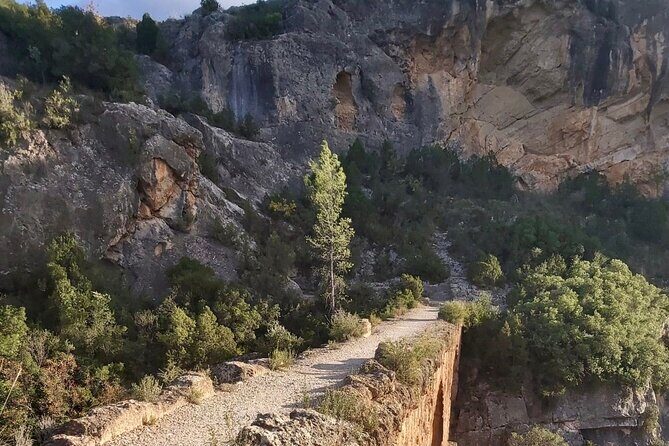
The aqueduct itself is about 2000 years old, and the tunnels carved into rock are impressive in person. You can’t really fake that feeling from a distance. When you’re next to it, it’s clear this wasn’t a small project.
The crossing feeling: thrill without danger
Crossing the aqueduct is one of the moments that creates stories. It can feel scary, mainly because you’re up high and exposed. The good news is that, as explained by the guide, it isn’t really dangerous because it’s wider than a sidewalk—still unnerving, but not unsafe in the way people fear.
I like that the tour doesn’t pretend that your nerves won’t show. You’re warned and guided through it, which is a lot better than sudden surprise.
Final descent through a ravine
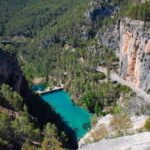
After the aqueduct area, you descend through a ravine back toward Chelva, closing the loop. Total walking time comes to about 10 miles/16 km for the whole day, so by the time you’re down in the valley, you’ll feel like you earned the views.
Pace, Terrain, and What to Pack for a 9-Hour Day
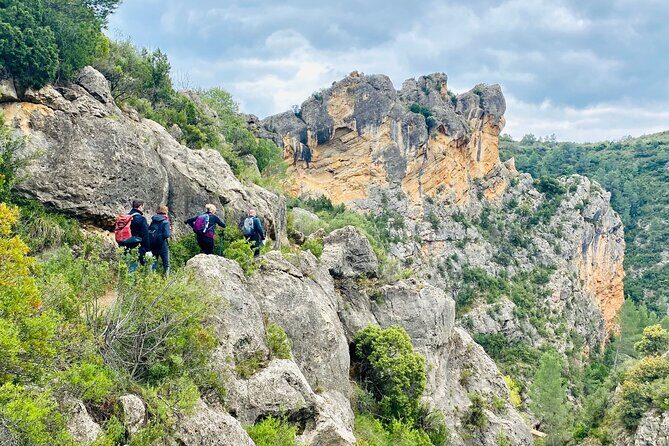
This is rated for moderate physical fitness, which matches the distance. You’re doing roughly 10 miles/16 km in one day with breaks for villages and historic stops.
Footwear and comfort are non-negotiable
Even if the tour is guided and paced, you still need shoes with good grip. You’ll be on river paths, through town streets, and on the aqueduct approach and crossing. Don’t count on perfect footing every step.
Plan for weather dependence
The experience requires good weather. If conditions are poor, you’ll either get a different date or a full refund. That’s important because river areas and high exposure spots are where rain and wind can change your comfort.
Bring layers and water
You’ll experience changing light—sun in open areas, shade near eucalyptus, and stone structures that hold cooler air. Layers help, and you’ll want water even if you’re not sweating the whole time.
Price and Value: Is $108.02 a Fair Deal?
At $108.02 per person for about 9 hours, the value comes from a few concrete things you’d otherwise stitch together yourself:
- Private transportation from Valencia (that’s a time-saver)
- A guided hike plus structured town time in Calles and Chelva
- Coffee and/or tea included at the start
- A capped group size (max 8), which helps with pacing and questions
The main trade-off is that lunch isn’t built into the price. You’ll pay for it in Chelva or bring your own picnic for the river break. For me, that’s a fair setup because it lets you match food to your budget and diet.
Given the full route—aqueduct crossing, mills, caves, and town walking—$108.02 doesn’t feel like a “cheap shortcut.” It feels like a day plan that includes the moving parts.
Who Should Book This Hike (and Who Might Not Love It)
This tour is ideal if you like hands-on history—water systems you can actually walk along—and you enjoy a day outdoors that still includes town time. It’s also great for people who appreciate a guide who keeps the day talkable without turning it into a lecture.
You might think twice if:
- you prefer short walks only
- you don’t want a full 10-mile/16 km day, even with breaks
- you get nervous with exposed crossings (even though the crossing is described as wide and not dangerous)
The small group size and Howard’s pacing help, but the distance is the distance.
Should You Book the Roman Aqueduct + Ruta del Agua Tour?
If you want one strong day outside Valencia that combines Roman engineering, river scenery, and a real town reset in Chelva, I’d book this. The day has a clear theme—water shaping work and daily life—and the aqueduct crossing gives it a memorable finish.
If you do book, go in ready: wear sturdy shoes, bring your best walking stamina, and plan how you’ll handle lunch (picnic or purchase). Do that, and you’ll get a full, varied day that feels like more than checkmarks on a map.
FAQ
What is the duration of the hike?
The tour runs for about 9 hours.
How much does the tour cost?
The price is $108.02 per person.
Is the tour offered in English?
Yes, it’s offered in English.
What group size should I expect?
The maximum group size is 8 travelers.
How far will I walk?
The total walking distance is about 10 miles (16 km).
Is lunch included?
Lunch is not included. You can bring a picnic, and there’s also an option for coffee or lunch in Chelva at your own cost.
What’s included in the price?
The tour includes private transportation from Valencia, a guided hike, sightseeing time, and coffee and/or tea.
Where does the tour start?
The start is at Alameda Beers, Pg. de l’Albereda, 15, El Pla del Real, 46010 València, Valencia, Spain. It starts at 9:00 am.
Is the aqueduct crossing safe?
The crossing may feel scary, but it is described as not really dangerous because it’s wider than a sidewalk.
What happens if the weather is bad?
The experience requires good weather. If it’s canceled due to poor weather, you’ll be offered another date or a full refund.