REVIEW · VALENCIA
Private Tour of Valencia City
Book on Viator →Operated by Top Private Tours Barcelona · Bookable on Viator
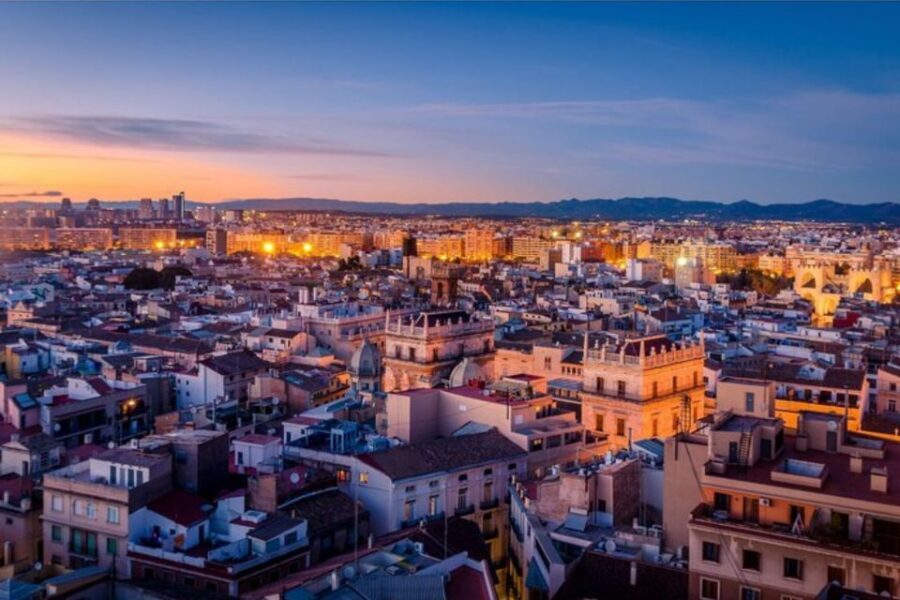
Valencia moves fast, and this tour is built for that. It’s a private 4-hour walk that starts at the Valencia port, so you can turn a cruise or short stay into a smart highlights hit. I like how it mixes jaw-dropping modern design with hands-on old-town stops, plus you still get breathing room to roam on your own.
What I really like is the food-and-people feel of the central market, where your guide helps you spot what matters and what to try next. Names you may see in the guide lineup include Celia and Teresa, and Teresa-style tips can steer you toward great tapas, paella, and even ice cream after the walking part is done.
One thing to consider: it’s timed around good weather, and several stops are outside or semi-outside. With a 4-hour window, each major sight gets a short, focused visit, so if you want long cathedral time or deep museum time, you may want to add extra hours later.
In This Review
- Key things to know before you go
- Port-to-old-town setup that saves your day
- Getting the modern Valencia story at Ciudad de las Artes y las Ciencias
- Torres dels Serrans: Gothic defense towers with a viewpoint payoff
- Mercat Central de Valencia: your guide turns a market into a mini lesson
- La Lonja de la Seda: when Valencia’s traders built with style
- Valencia Cathedral and the layering of centuries in the stone
- Basilica de la Virgen de los Desamparados: patron saint, many styles, one pilgrimage focus
- The best part after the last stop: free time to wander your way
- How much you’re paying, and why it can still be good value
- Who this tour fits best (and who might want something else)
- A quick word on guides and pace
- Should you book this Valencia private tour?
- FAQ
- FAQ
- How long is the Private Tour of Valencia City?
- Is this tour private or shared?
- Where do we meet the guide at the port?
- What stops are included on the tour?
- Are admission tickets included?
- Is hotel pickup included?
- What language is the tour offered in?
- What happens if the weather is bad?
Key things to know before you go
- Port-first meeting plan that’s designed to match cruise arrival timing
- Private guide for your group, with pace control and question time
- City of Arts and Sciences context (the Turia Riverbed story, plus Calatrava and Candela)
- Market stop that feels practical, not just photo ops
- Old Valencia built for trade and defense, from Gothic towers to La Lonja de la Seda
- Short, efficient visits that still leave you time to explore independently
Port-to-old-town setup that saves your day
If you’ve ever stood in a cruise terminal wondering where everyone goes next, you’ll appreciate how this tour handles the start. You meet outside the terminal with a sign showing your reservation name after you pass the escalators. If your ship is docked at Dock 1 or 2, the meeting point shifts to the Acciona Terminal, with a shuttle ride (often yellow) to get you there.
That sounds small, but it matters. With only about four hours total, you do not want to lose time hunting for your guide. This setup helps you get bearings fast and start walking before the day gets complicated.
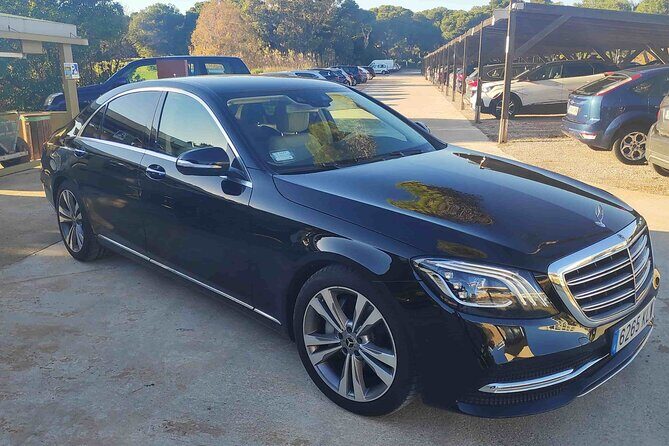
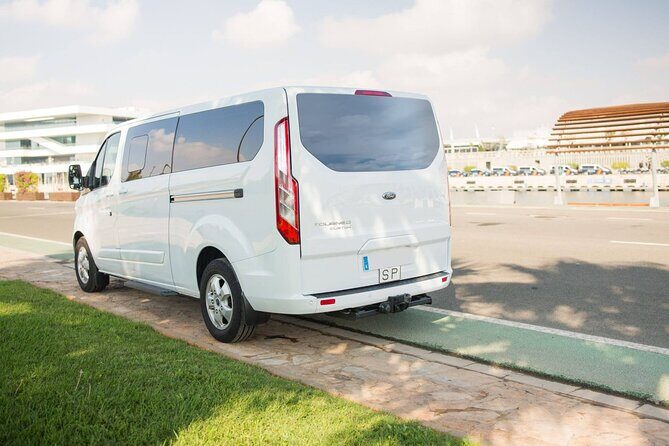
Pickup and drop-off are part of the deal too, which is a big quality-of-life boost when you’re moving between the port area and central Valencia. And because it’s private, you’re not stuck with a crowd that keeps stopping for the perfect selfie angle. Your guide can keep the pace sensible for your group.
You can also read our reviews of more city tours in Valencia

Getting the modern Valencia story at Ciudad de las Artes y las Ciencias
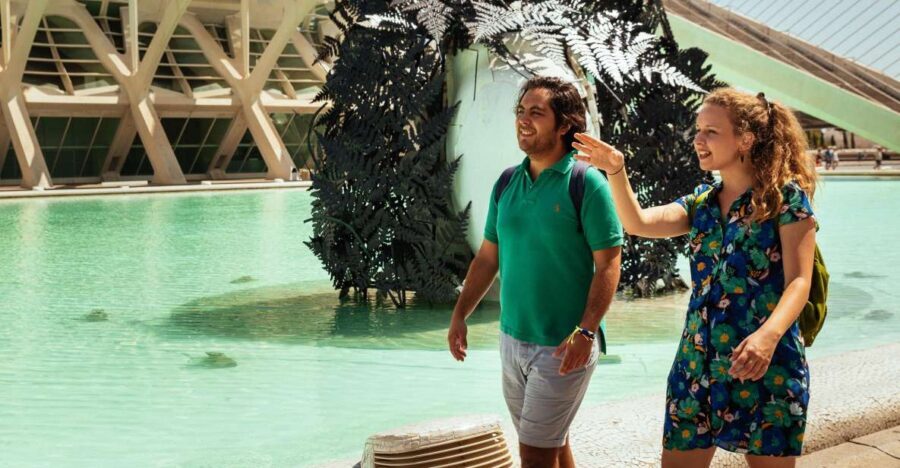
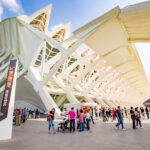
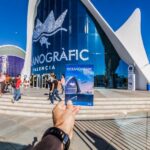
Your first stop is the Ciudad de las Artes y las Ciencias area, the city’s major modern showpiece. It’s built on the former course of the Turia River, a riverbed that was drained and rerouted after the huge flood of 1957. That background alone gives you a useful mental picture: Valencia didn’t just build something new. It repurposed a major piece of its landscape and life after a disaster.
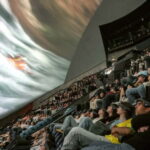
You’ll see the architecture tied to two famous names: Santiago Calatrava and Félix Candela. The complex opened in phases, with L’Hemisfèric opening in 1998. Even with a short visit, you’ll have time to take in the scale and the shapes—this is one of those places where you quickly realize the city is proud of its modern identity.
What to look for (so your 20 minutes feels like more):
- The dramatic shapes and bold lines that make the complex feel like a futuristic set
- How the layout connects the buildings into one visual idea
- Any viewpoint that lets you appreciate how much space this takes up in the former riverbed
Admission for this stop is listed as free, which helps you keep the day simple. If you’re the type who likes a quick but well-framed intro, this opening stop is a strong way to start.
Torres dels Serrans: Gothic defense towers with a viewpoint payoff
Next comes the Torres dels Serrans, two Gothic towers tied to Valencia’s medieval defense system. Construction began in 1392 under the supervision of Pere Balaguer. The towers were meant to protect one of the city’s busier gates.
A neat detail here: the city walls were demolished in 1865, but the towers were saved. That means you get a surviving slice of the old fortification system rather than just an outline of where it used to be.
You also get the kind of bonus view that makes short stops worth it. From the back of the towers, you can see pointed arches and vaulted domes—details you might miss if you rush or only snap a front-facing photo.
Timing is tight (about 10 minutes), so do this:
- Walk in with one goal: spot the Gothic structure details
- Take a few minutes for photos, then let the guide point out the architectural elements you’d otherwise overlook
Admission here is also listed as free, so you’re spending time, not money, and that’s a good match for a port-day schedule.
Mercat Central de Valencia: your guide turns a market into a mini lesson

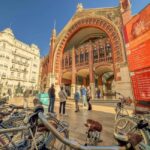
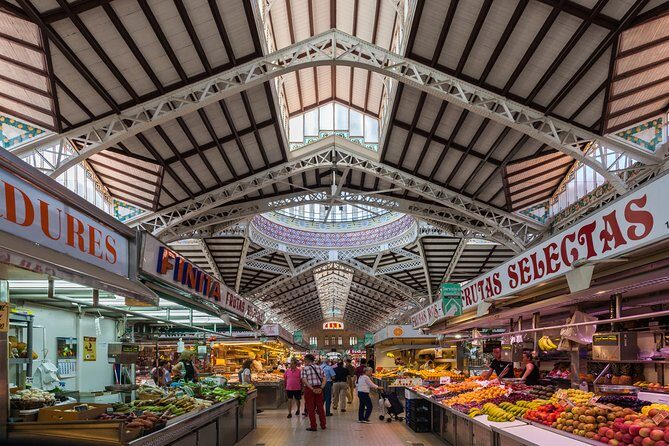
Then you shift from defense towers to a place where people traded, ate, and lived. The Mercat Central de Valencia is big and friendly, full of stands selling food and goods. It began as an itinerant market setup long before the current building—then the Central market opened in 1839.
By the late nineteenth century, it had become too small, and the city council held two construction contests to build the new market. Even if you don’t go deep into that storyline, you’ll feel it in the building’s size and confidence. This is a place that the city keeps returning to for its day-to-day life.
With about 30 minutes here, you can do more than wander. A good guide helps you:
- Know what to look for as you move through the space
- Spot standout food stalls without getting lost
- Translate what you’re seeing into what to try later
This is also where Teresa-style guidance really shows up. In the experience reports tied to this tour, guides helped connect the market visit to practical meal ideas—tapas, paella, and even ice cream options later in the day. That’s the kind of advice that’s instantly useful when you’re hungry and your map is starting to fail you.
If you want a market stop that feels like a real stop—not a quick stop for photos—this one earns its time.
La Lonja de la Seda: when Valencia’s traders built with style
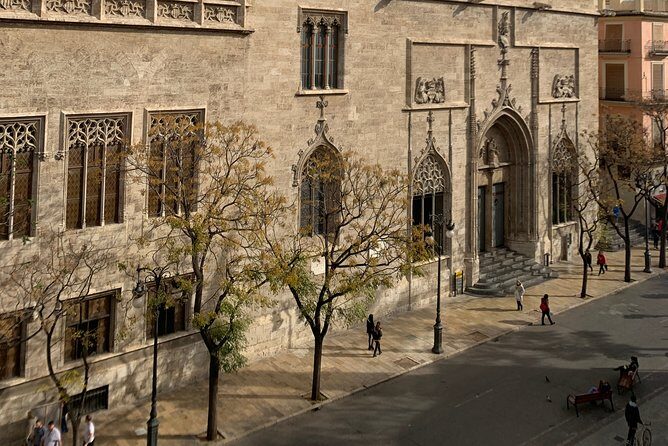
Next is La Lonja de la Seda, a landmark that connects Valencia’s medieval and early modern identity to trade. Construction started in the late fifteenth century and finished in the second half of the sixteenth, following the model of the Lonja de Palma de Mallorca.
This was Valencia’s first mercantile contracting center, where business deals happened across the food-and-material supply chain. The tour context you get here is specific: flour merchants, rice farmers, ranchers, merchants of seeds and legumes, soap makers, and traders in items like chocolates.
So what does that mean for you in the real world? It means the building isn’t just impressive because it’s old. It’s impressive because you’re standing in the setting where commerce shaped daily life. When you hear those details while you walk the space, the architecture stops being just decoration and becomes functional proof of how Valencia worked.
Your visit is about 15 minutes, which is just enough for:
- A quick orientation to what the building was for
- Seeing key exterior or courtyard angles
- Grasping why it mattered economically
Admission is listed as free, so again, it’s strong value for a sight that’s doing heavy lifting in the story of the city.
You can also read our reviews of more private tours in Valencia


Valencia Cathedral and the layering of centuries in the stone
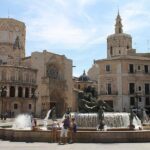
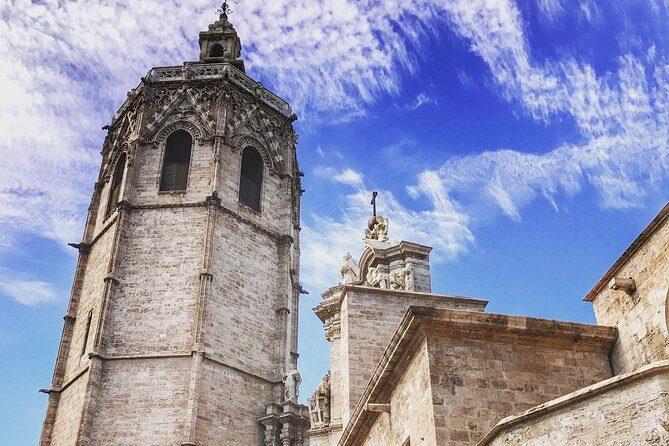
After trade comes faith and continuity: Valencia Cathedral. It’s the mother church of the Christian community in Valencia and has welcomed believers since the fourth century.
This kind of long timeline matters. It means the cathedral you see today didn’t happen in one moment. It accumulated over time—different eras leaving their marks. That’s why you might feel like you’re seeing more than one “style personality” inside and around the building.
You’ll have about 20 minutes here. That’s not “slow church meditation” time, but it’s enough for:
- A guided orientation to what you’re looking at
- Time to absorb the biggest visual highlights
- A chance to step back and get the cathedral’s scale in your head
If you’re traveling as part of a group where people want photos, quiet moments, or both, a guide can usually balance that in a short window.
Basilica de la Virgen de los Desamparados: patron saint, many styles, one pilgrimage focus

Your final major stop is the Basilica de la Virgen de los Desamparados, dedicated to Valencia’s patron saint. Construction began in 1652 on ruins of a Roman forum, and it wasn’t finished until 1824. That long build time is why you’ll see a blend of architectural styles: Baroque, Renaissance, Rococo, and Neoclassicism.
This is one of those locations where your guide’s explanations make your short visit feel richer. Instead of treating it like a single “pretty church,” you start noticing the layered look—how different periods left their fingerprints because the building evolved across generations.
You’ll have about 10 minutes here. That’s brief, so I’d focus on one idea: pick out the style shifts you can spot from where you’re standing and let the guide connect them to the timeline.
Admission is listed as free, and the emotional payoff is strong if your group likes cultural landmarks that are still tied to local devotion.
The best part after the last stop: free time to wander your way
The tour design leaves you time to explore independently afterward. That matters because your day shouldn’t end with you still feeling like you only saw the city through a guide’s lens.
Here’s how to use the free time well:
- If the market got you hungry, follow the kind of food leads your guide pointed you toward
- If you want photos, take a slower walk near the cathedral area or back toward the central streets
- If you’re shopping, pick one direction and stick to it instead of zigzagging based on impulse
Because you’re on a private schedule, you can usually keep the vibe smooth. No herding, no waiting for late arrivals.
How much you’re paying, and why it can still be good value
At $405.74 per person for a private tour lasting about four hours, the price can feel high at first glance. But here’s where the value starts to make sense.
You’re paying for:
- A professional local guide
- Private time for your party only
- Port/Hotel pickup and drop-off
- Mobile ticket convenience
- An efficient route that hits both modern and old Valencia with short stops that actually fit a limited schedule
If you’re on a cruise day, the pickup and the port meeting plan can be worth real money. Missing the start of a tour or wasting an hour in transit can ruin an entire day. This is built to reduce that risk.
Also, the itinerary includes multiple major sights listed with free admission, which helps you avoid feeling nickel-and-dimed by ticket costs during a tight timeframe.
If you’re traveling with family or a small group and can split logistics costs, the private format becomes more attractive fast. If you’re traveling solo, you may want to weigh whether you’ll get enough out of the guided pace versus self-guided exploration. Either way, it’s a “buy time and buy clarity” kind of tour.
Who this tour fits best (and who might want something else)
This private Valencia port-to-city experience is best for you if:
- You want a guided route that covers modern + medieval without guessing
- You’re on a cruise or short timeline and need smart timing
- You like markets, architecture, and practical food advice
- You want your group to move at your group’s pace
It may not be the best fit if:
- Your group wants long, in-depth museum time
- You hate walking when the weather is hot or unpleasant
- You want a strict focus on only one area of Valencia (this tour intentionally mixes neighborhoods)
A quick word on guides and pace
One of the strongest themes tied to the experiences is how guides handle the pace and explanations. Celia and Teresa appear in the guide feedback, and both names connect to the same strengths: clear explanations, patience, and a calm way of managing questions.
I also like that the operator stays in touch before the tour. In one case, contact happened around two days prior to help with how to get from the cruise ship to the meeting point. That kind of prep reduces stress the morning of.
Should you book this Valencia private tour?
I’d book it if you want your Valencia day to feel organized and rewarding, even if your schedule is tight. The port-first meeting plan, private guide format, and the mix of modern architecture plus classic landmarks add up to a well-balanced snapshot of the city.
Skip it only if you’re the type who prefers to wander without structure and doesn’t mind spending extra time figuring out routes. For a short stay, this tour gives you the kind of guidance that turns “we saw a few things” into “we understood what we were looking at.”
FAQ
FAQ
How long is the Private Tour of Valencia City?
It’s listed at about 4 hours.
Is this tour private or shared?
It’s private. Only your group participates.
Where do we meet the guide at the port?
You meet outside the Valencia Port Terminal with a sign showing your reservation name after you pass the escalators. If you are at Dock 1 or 2, you meet at the Acciona Terminal and take the shuttle (often yellow).
What stops are included on the tour?
The main stops are Ciudad de las Artes y las Ciencias, Torres dels Serrans, Mercat Central de Valencia, La Lonja de la Seda, Valencia Cathedral, and Basilica de la Virgen de los Desamparados.
Are admission tickets included?
Admission tickets are listed as free for each stop on the tour.
Is hotel pickup included?
Yes, port/hotel pickup and drop-off are included.
What language is the tour offered in?
It’s offered in English.
What happens if the weather is bad?
The experience requires good weather. If it’s canceled due to poor weather, you’ll be offered a different date or a full refund.