REVIEW · VALENCIA
The City of Arts and Sciences in Valencia
Book on GetYourGuide →Operated by alapontasins.com · Bookable on GetYourGuide
Santiago Calatrava’s sci‑fi dream in the sun. This guided walk turns Valencia’s City of Arts and Sciences into something you can actually understand, not just photograph. I love getting the clear story behind each landmark and how the guide explains what you should notice on the inside and outside.
Second, the small-group size (up to 10) keeps things relaxed, so you can ask questions instead of speed-walking with strangers. You also get extra touches like pictures of the complex and built-in historical context to make the visit feel more than a drive-by.
One consideration: this is an external visit. You’ll see the key areas and corridors, but entry tickets for major venues (Hemisferic, Sciences Museum, Palau de les Arts, and Oceanografic) are not included.
In This Review
- Key points to know before you go
- Valencia’s City of Arts and Sciences: seeing the design, not just the sights
- Meeting point near El Corte Inglés: easy start, clear rendezvous
- A small-group tour that stays conversational
- Getting the big picture: Calatrava’s City of Arts and Sciences story
- Umbraacle Garden: Valencia’s plants inside a modern setting
- Hemisferic corridor (when available): what to look for without tickets
- Sciences Museum Prince Felipe corridor: a preview of hands-on learning
- Agora building: where the complex shows its community side
- Aquarium Oceanografic entrance: setting up your next ticket purchase
- Price and value: is $28 worth it?
- Who should book this tour (and who might not)
- Should you book? My practical take
- FAQ
- How long is the tour?
- Where is the meeting point?
- What time does the tour start?
- What is included in the price?
- Are tickets included for Hemisferic, the Sciences Museum, Palau de les Arts, and Oceanografic?
- Do you visit the inside of the buildings?
- What languages are available for the guide?
- Is the tour wheelchair accessible?
- What group size should I expect?
- FAQ
- Is there free cancellation?
- Is there a reserve now and pay later option?
Key points to know before you go
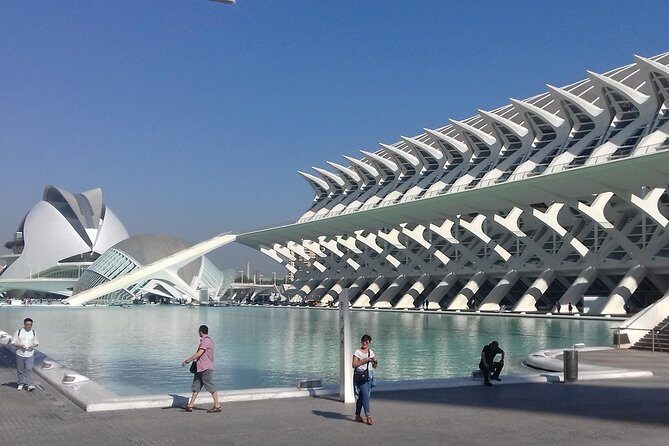
- Santiago Calatrava focus: you learn how the design choices shape the experience.
- Umbraacle Garden walk: you’ll get plant and vegetation context for Valencia’s region.
- Hands-on thinking, without ticket queues: the Sciences Museum corridor gives you a taste of what’s inside.
- Small group (10 max): easier pace and more questions for the guide.
- Hemisferic corridor only if available: what you see depends on access that day.
- Guide Enrique stands out: one review highlights how engaged and easy to reach the guide was.
Valencia’s City of Arts and Sciences: seeing the design, not just the sights
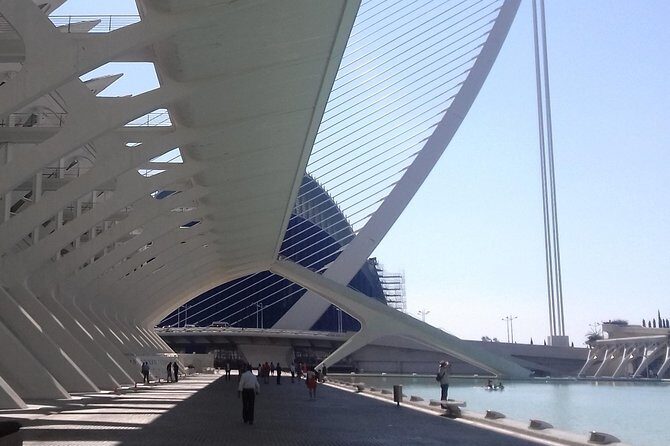
The City of Arts and Sciences has a way of making you pause. You look up and it feels like the buildings are doing something—like they’re mid‑sentence in a futuristic conversation. But if you only take photos, you miss half the point.
What I like about this tour is that it teaches you to read the complex. The guide connects the geometry and shapes to what they’re meant to do for visitors. You also get context on why this part of Valencia matters: location, financial relevance for the city, and even notable events tied to the site.
The second win is that it’s paced like a proper walk. It’s not a rushed checklist. You spend your time where it counts—around the main corridors and entrances—so you leave with real bearings for the rest of your day.
You can also read our reviews of more city tours in Valencia



Meeting point near El Corte Inglés: easy start, clear rendezvous
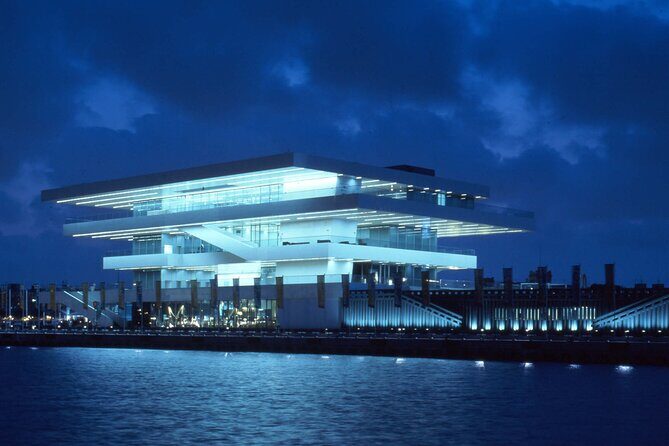
You meet at the main entrance of El Corte Inglés on Pintor Maella street. It’s close to Aqua mall, and it’s right in front of the taxi stop, so it’s hard to get lost. If you like arriving early and doing a quick coffee stop, this is a good setup.
The group starts daily at 10:00 a.m., except on the day of the Valencia Marathon. That matters because the roads and foot traffic can get chaotic, and the tour doesn’t run that day at 10 a.m.
This is also a practical tour for people who don’t want complicated logistics. There’s no special gear required. Just show up, wear comfortable shoes, and be ready to walk around a landmark that’s famous for being photogenic from every angle.
A small-group tour that stays conversational
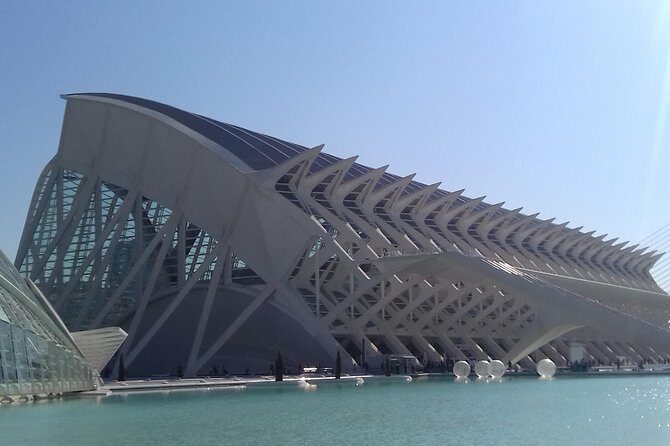
This tour runs with a small group limited to 10 participants. For a place as spread out as the City of Arts and Sciences, smaller groups help. You can actually hear the guide. You’re not stuck whispering over traffic of people moving in every direction.
You’ll also get a live guide in German, English, Italian, or Spanish. And because the tour is wheelchair accessible, it’s built with mobility in mind. The only note: it’s not suitable for people over 95 years old, so check your own comfort level and pace.
The overall vibe is friendly and practical. One review singled out the guide Enrique for being highly engaged and easy to reach, and that energy fits what you want on a tour like this—someone who can explain what you’re looking at without turning it into a lecture.
Getting the big picture: Calatrava’s City of Arts and Sciences story
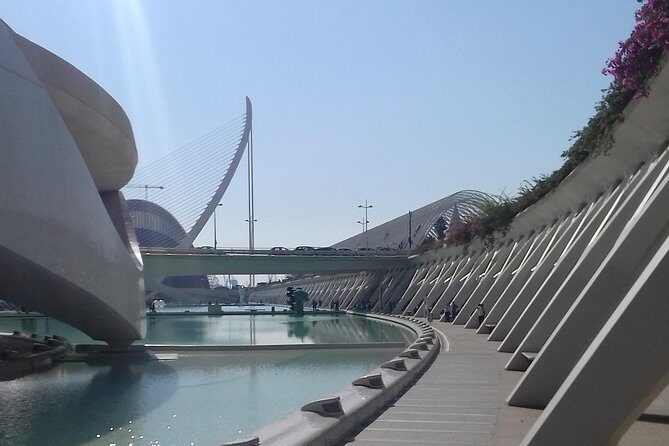
The tour’s theme is simple: you’re learning to see why Santiago Calatrava’s complex looks the way it does. The city has turned into a kind of modern postcard, and the guide helps you understand what that design communicates.
Expect explanations like these, delivered while you walk:
- what each building is meant to do for visitors
- how the outside connects to the inside
- why the location matters
- the financial relevance of the complex for Valencia
- important events that took place here
This is the part that changes your experience. Without it, you might see impressive architecture. With it, you start noticing patterns: where you’re funneled, where views are framed, and how movement through the complex feels intentional.
You’ll also get added support along the way: the tour includes pictures of the complex. That’s handy if you want to compare what you saw later with the images in your memory.
Umbraacle Garden: Valencia’s plants inside a modern setting
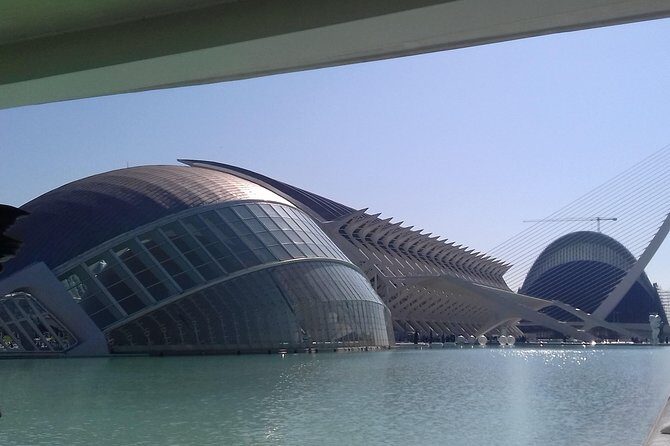
Umbraacle is one of the most interesting stops because it’s not just scenery. The garden is presented with traditional plants and vegetation tied to the Valencia region. So you’re not only looking at a landscaped space—you’re learning how local nature fits into the design.
Why this matters for you: Valencia’s climate and plant life are part of the city’s identity. If you spend a few hours here, you’ll get a better sense of what makes the area feel Mediterranean, even when the architecture looks futuristic.
A garden stop can be easy to rush. Here, it’s part of the flow. You slow down, you look around, and you start to notice how the complex uses greenery and light.






Hemisferic corridor (when available): what to look for without tickets
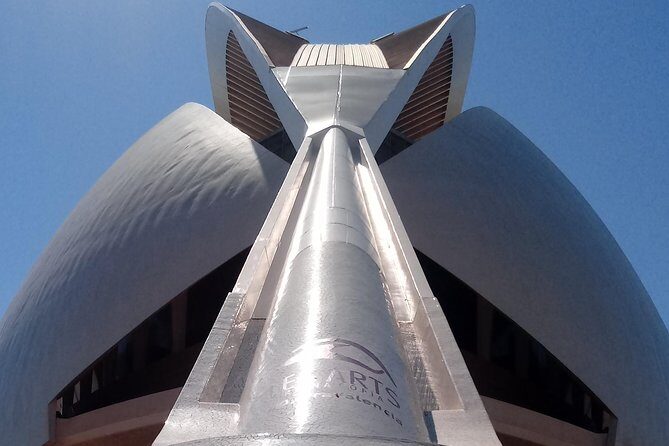
The tour includes the main corridor of the cinema Hemisferic, but only if it’s available. That means you might get access to view areas tied to the venue, or you might get a more exterior-oriented walkthrough depending on conditions.
Either way, the value is in what the guide points out. You learn how this building fits into the overall complex and how visitors experience it. If Hemisferic is accessible, you’ll feel the scale and design from closer range.
Important detail for planning: tickets for Hemisferic are not included. If you want a show inside, you’ll need to buy that separately. The tour gives you enough context to decide whether it’s worth it for your interests.
Sciences Museum Prince Felipe corridor: a preview of hands-on learning
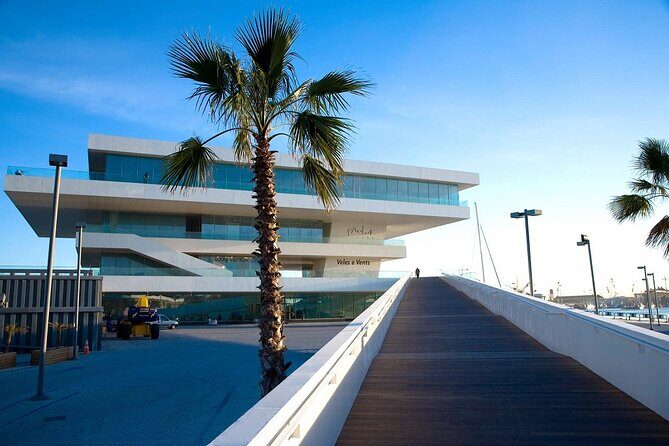
This is one of the most practical stops for families and curious adults alike. You visit the main corridor of the Sciences Museum Prince Felipe, and you get a good idea about the exhibitions inside.
The key promise here is simple: the guide helps you understand what you might experience in the museum—touch, learn, experiment—in the same place. Even though you’re not entering with a ticket included, the corridor access helps you map out what’s worth your time if you go later.
Potential drawback: because museum entrance tickets are not included, you won’t get full access to exhibits. If you’re the type who wants hands-on experiences as the main event, treat this tour as orientation. You’ll likely still want to plan a return ticket visit.
Still, as a first exposure to the complex, this is a great choice. It turns the museum from a distant building into a place you understand, with a clearer idea of what awaits.
Agora building: where the complex shows its community side
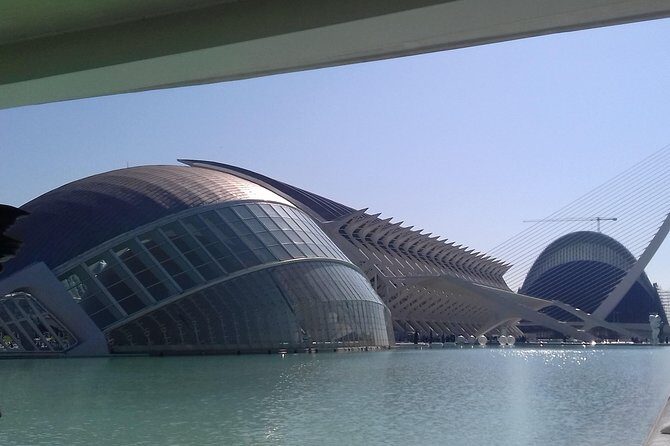
The Agora building adds balance. Some parts of the City of Arts and Sciences feel like pure spectacle. Agora feels more like the complex’s social and gathering face, part of why this site is more than a set of standalone attractions.
Your guide explains the meaning of the building and its role inside the wider complex. You also hear about how the area functions as a whole—why it’s designed to bring people in, hold attention, and connect indoor experiences to outdoor movement.
If you like architecture that has a “function,” this is a good stop. You’ll come away thinking beyond the visual impact and start seeing how the spaces encourage interaction.
Aquarium Oceanografic entrance: setting up your next ticket purchase
The tour ends with the main entrance of Aquarium Oceanografic. It’s a smart way to close, because it naturally leads into the question: do I buy aquarium tickets today?
Here’s the honest part for planning: aquarium entry is not included. You’ll get the entrance and the context, but you won’t walk inside with your tour ticket.
Still, this is useful. Seeing the entrance area helps you estimate timing. It also helps you decide how much of the rest of the aquarium you’ll want to explore. If you’re building an itinerary for the day, this tour gives you a clean starting point so you’re not guessing from a distance.
Price and value: is $28 worth it?
At $28 per person, the value comes from what you’re actually buying: a guide-led orientation plus about 2 hours and 20 minutes of external visiting time. You’re not paying for museum or aquarium entry, but you are paying for someone to interpret the complex while you’re standing in front of it.
For many people, that interpretation is the difference between a good photo stop and a memorable outing. You get:
- design explanations tied to real visitor experience
- context on location, events, and financial relevance to Valencia
- a small-group pace so you can focus
- access to key corridors and specific spaces like Umbraacle
If your goal is to spend hours inside major venues, you’ll still need extra tickets. If your goal is to understand the complex first, then choose what to enter next, this price feels fair.
Who should book this tour (and who might not)
This works best if you:
- want a guided overview of the City of Arts and Sciences without committing to multiple venue tickets right away
- like architecture and want meaning behind what you see
- prefer small-group pacing and Q&A over a big-bus sprint
- are visiting for a half-day and want a clean structure
You might skip or add-on differently if you:
- only care about ticketed attractions inside the buildings
- plan to spend most of your time in Hemisferic, the Sciences Museum, Palau de les Arts, and Oceanografic
It’s also a good match for first-timers who feel overwhelmed by how many buildings are in one area. The tour gives you a mental map fast.
Should you book? My practical take
If you’re curious about why Valencia built this place and you’d like a guide to help you read the complex as you walk, I’d book it. It’s not just a photo opportunity. It’s a guided orientation that makes later choices easier.
I’d especially book it early in your visit day. Start with this tour, then decide which venues deserve your ticket money—Hemisferic, the Sciences Museum, Palau de les Arts, and Oceanografic are all ticketed separately.
One more reason to book: the guide experience. The name Enrique came up in a highlight as highly engaged and easy to reach, and that’s exactly the kind of guide energy that makes architecture tours worth it.
FAQ
How long is the tour?
The activity runs about 2 hours, with around 2 hours and 20 minutes of external visiting time of the complex.
Where is the meeting point?
You meet at the main entrance of El Corte Inglés on Pintor Maella street, close to Aqua mall, and in front of the taxi stop.
What time does the tour start?
The tour is available every day at 10:00 a.m., except on the day of the Valencia Marathon.
What is included in the price?
The price includes a live guide tour and about 2 hours and 20 minutes of external visit time.
Are tickets included for Hemisferic, the Sciences Museum, Palau de les Arts, and Oceanografic?
No. Tickets for Hemisferic, the Sciences Museum, Palau de les Arts, and Aquarium Oceanografic are not included.
Do you visit the inside of the buildings?
This is an external visit. You’ll see key corridors and entrances, but you do not include venue ticket entry.
What languages are available for the guide?
The live guide is available in German, English, Italian, and Spanish.
Is the tour wheelchair accessible?
Yes, the tour is wheelchair accessible.
What group size should I expect?
It’s a small group limited to 10 participants.
FAQ
Is there free cancellation?
Yes. You can cancel up to 24 hours in advance for a full refund.
Is there a reserve now and pay later option?
Yes, you can reserve now and pay later to keep your travel plans flexible.
(If you want, tell me your travel dates and what you care about most—science exhibits, aquariums, or architecture—and I’ll suggest the best way to pair this tour with ticketed venues the same day.)