REVIEW · VALENCIA
Valencia: Authentic Tapas & Drinks with a Local
Book on GetYourGuide →Operated by Do Eat Better Experience · Bookable on GetYourGuide
Tapas tasting turns a simple walk into a real plan. I like how this tour feeds you while it guides you through Ciutat Vella, with local picks that make the city feel easier to read. You’ll get standout plates such as fried anchovies and croquetas, plus Valencian drinks like horchata and Agua de Valencia when they’re on the menu.
One thing to keep in mind is that tastings can shift by season and partner availability, so you might not catch every single dish listed in advance. Still, you’ll leave with a strong sense of Valencia’s food culture because there’s food at every stop and the guide keeps the pacing moving.
In This Review
- Key things that make this tour worth your time
- Why Valencia tapas feel like culture, not just snacks
- Starting in Plaça del Comte de Bunyol, then walking the old center
- Stop-by-stop tasting menu across downtown Valencia
- First bite: potato comfort in a tapas bar
- Classic bar plates: croquetas and cured-ham flavor
- Seafood-forward stop: anchovies and clóchinas
- A local salad that explains cod, peppers, and olive oil: esgarraet
- Lunch-only options: historic market ham and cheese, plus horchata
- Valencia drinks you’ll actually want to remember
- Agua de Valencia: the city’s signature cocktail
- Horchata and fartons: cooling, simple, and regional
- Price and pace: what $81 gets you in real terms
- How the guide experience shapes the whole night
- Where you finish: Valencia Cathedral as a convenient landing spot
- Who should book this and who should skip it
- Should you book this Valencia tapas and drinks with a local?
- FAQ
- Where does the tour start and end?
- How long is the walking tour?
- How many food stops do you make?
- What food and drinks are included?
- Do you taste horchata and fartons or Agua de Valencia?
- Are there options for lunch market tasting?
- What language is the guide?
- Is the tour suitable for people with mobility impairments?
- Any packing or comfort tips before you go?
Key things that make this tour worth your time
- At least 4 tasting stops with food at each one, so you’re not paying for empty walking time
- Small groups (max 12), which helps you actually hear the guide and ask questions
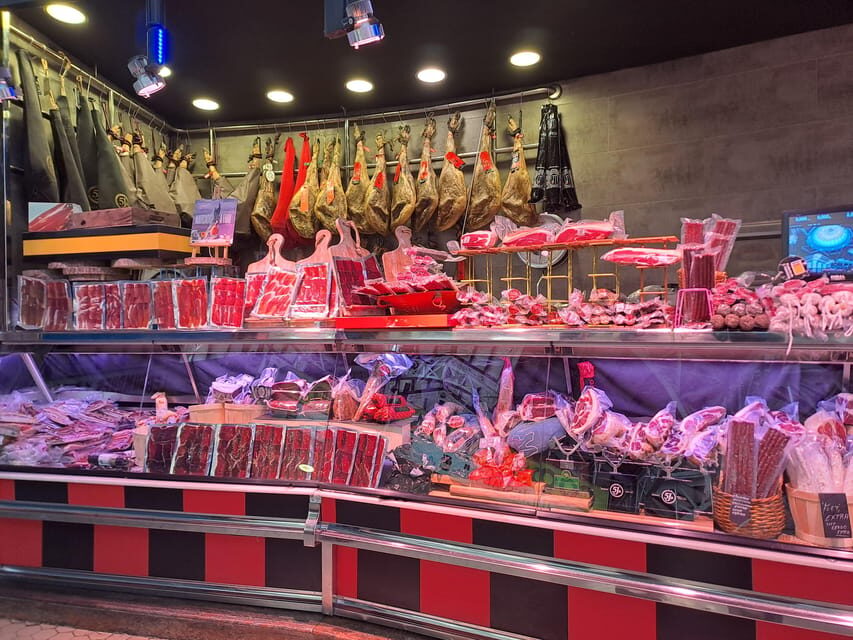
- Local bars plus a historic market option for ham and cheese (lunch only, depending on the date)
- Sea-focused Valencia flavors, including anchovies and clóchinas (Valencian mussel-style shellfish)
- Valencian drinks included, with water and alcoholic drinks covered
Why Valencia tapas feel like culture, not just snacks
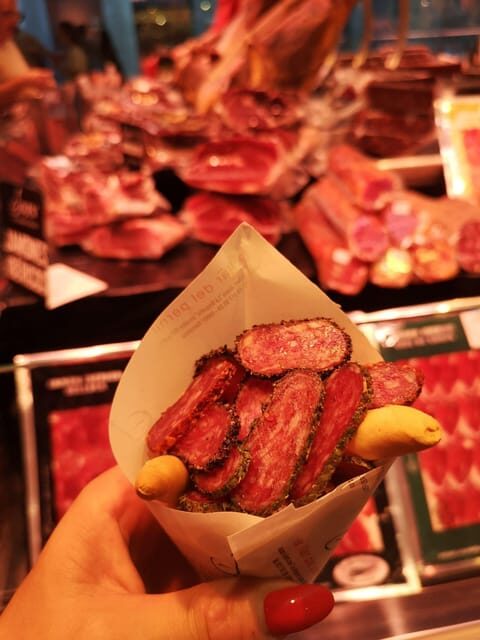
Valencia is one of those places where food tells you how people live. The streets in Ciutat Vella can feel like a maze at first, but this kind of tour gives you a route and a reason to pay attention. You walk, you snack, you learn what locals consider normal fare, and that changes how you experience the city after the tour.
I like that the menu isn’t only about one style of tapas. You’ll see the potato-and-comfort side (like patatas bravas or tortilla de patatas), the classic bar-hunger fix (croquetas), and the sea-meets-city attitude (anchovies and clóchinas). That mix matters because it shows Valencia’s contradictions in the best way: coastal ingredients with inland comfort foods.
The drinks help too. Valencia has its own signature, and the guide explains what you’re drinking while you’re doing it. Even if you’re not a big drinker, you’ll learn what makes the city different from, say, Barcelona or Andalusia.
You can also read our reviews of more tours and experiences in Valencia.

Starting in Plaça del Comte de Bunyol, then walking the old center
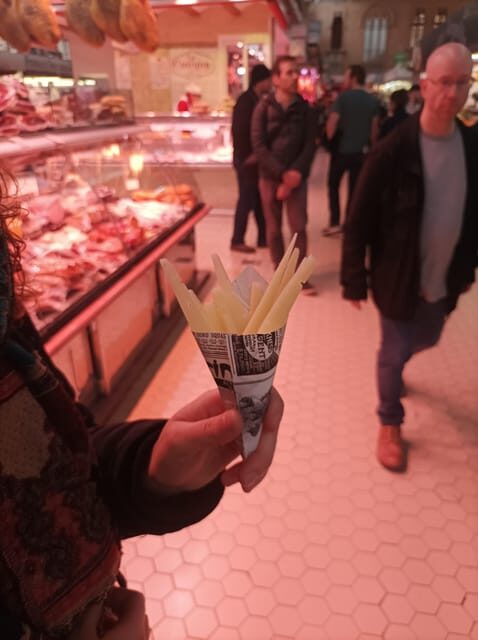
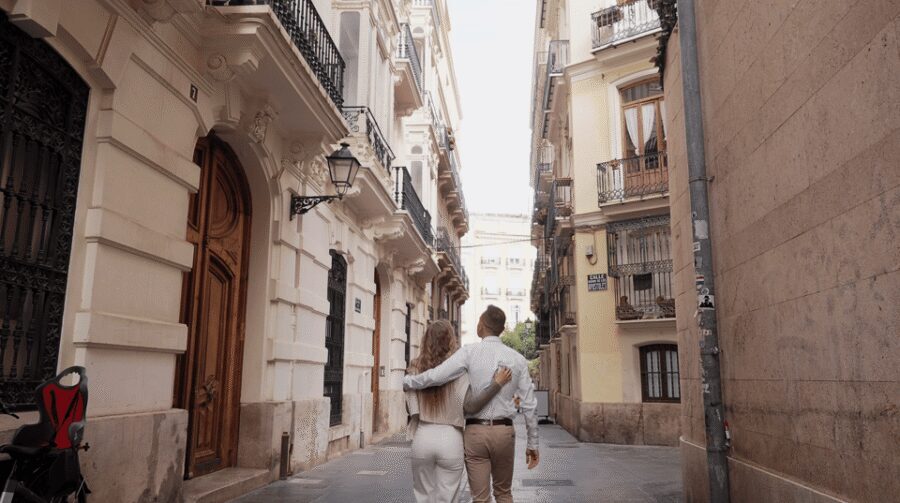
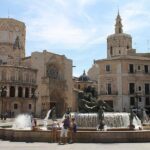
You meet at Plaça del Comte de Bunyol, a central point that sets you up to explore Valencia’s tighter streets. From there, the walk stays in the city center and takes you through the Ciutat Vella area, where you can still feel old Valencia in the street layout and the way bars sit along the way.
Because it’s a walking tour, shoes matter. Comfortable footwear is a must, not because the distance is extreme, but because tapas stops stack up and you’ll be on your feet for the full 3.5 hours. The upside is that you’re not spending half the time waiting around. You’re moving from place to place, eating as you go, and seeing landmarks along the way.
A nice detail: the tour finishes near the Valencia Cathedral. That’s handy. Instead of ending somewhere inconvenient, you land in a spot where you can keep walking, grab something sweet if you want, or head back without needing to puzzle out transit.
Stop-by-stop tasting menu across downtown Valencia
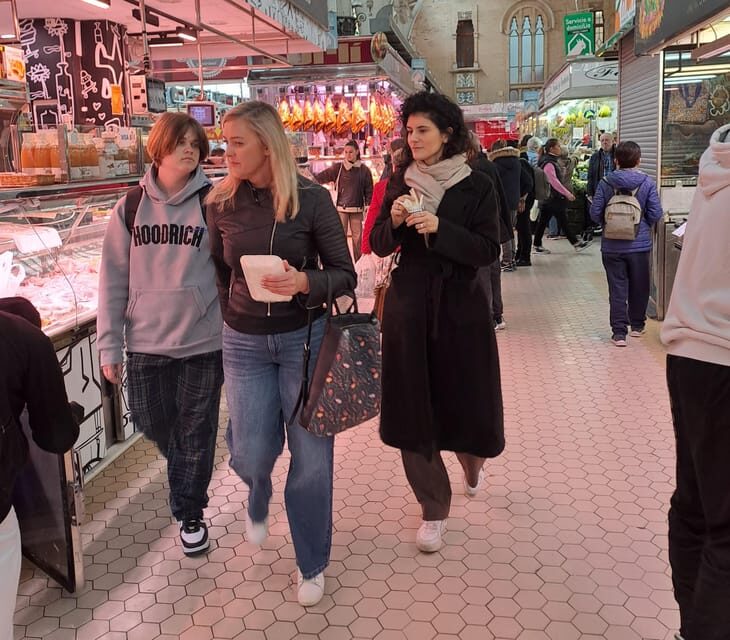
At minimum, you’re looking at 4 tasting stops, and at least one serving of food is included at each one. The exact mix depends on what’s available and the season, so I’ll describe what to expect from the types of stops you’ll hit rather than a rigid dish-by-dish script.
First bite: potato comfort in a tapas bar
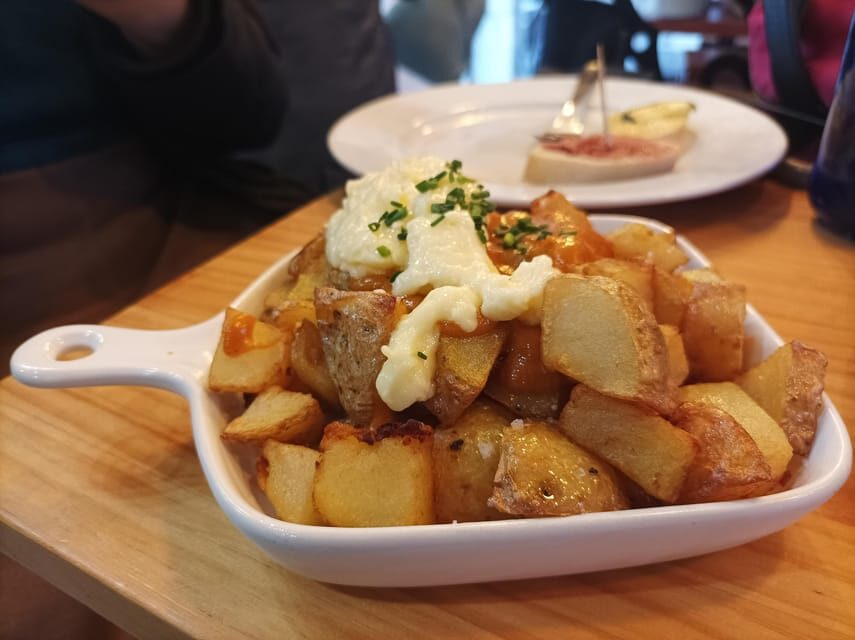
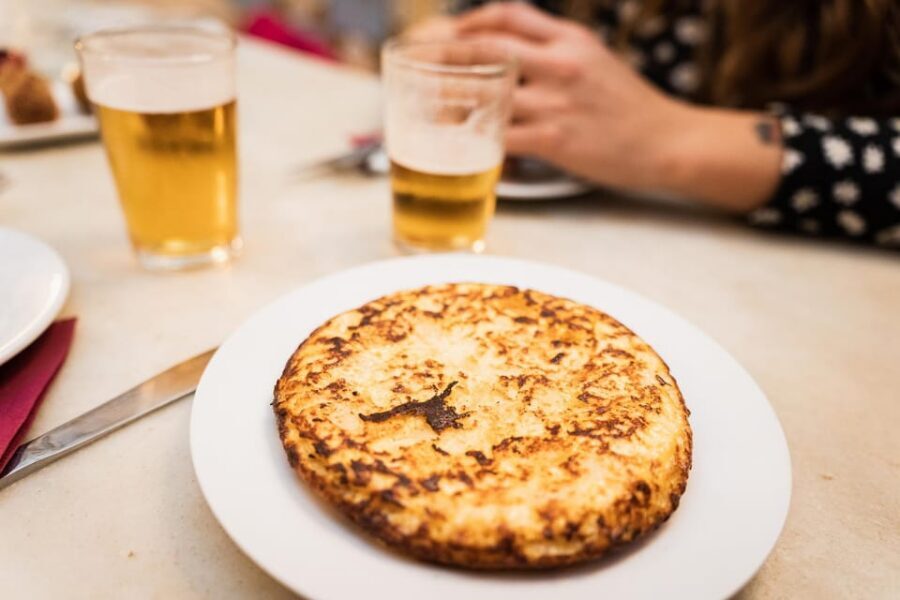
A common early stop is built around patatas bravas or tortilla de patatas. If you’ve never had them in Spain, this is where the tour helps most. Patatas bravas is basically the local comfort-food starter: fried potato with a sauce that can bring heat and tang. Tortilla de patatas is simpler on paper but smarter in practice, because it works as a starter, a snack, and even a light meal later.
Why it works early: it fills you up without weighing you down. By the time you’re onto seafood or richer items, you’re ready for it.
Classic bar plates: croquetas and cured-ham flavor
Another core stop often includes croquetas, those crispy-on-the-outside, creamy-on-the-inside bites that Spain does better than almost anywhere else. Here they’re described as made with béchamel and cubes of cured ham. The key is texture. If you only know croquetas from frozen versions, a fresh bar-style croqueta can feel like a different food.
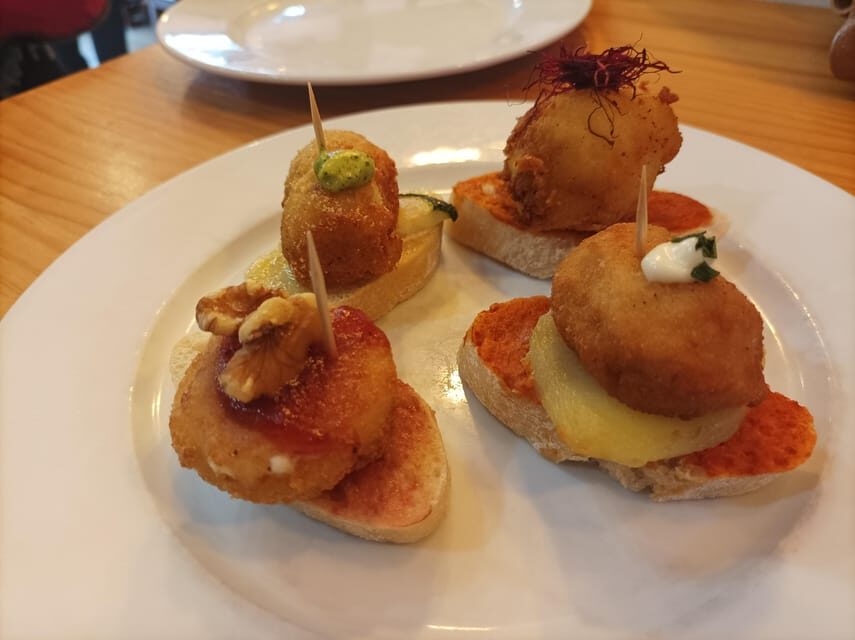
This part of the tour is also a lesson in how Spanish tapas operate. You’re not ordering one massive plate. You’re sampling multiple small hits, each with a specific job—comfort, salt, crunch, and a sauce you’ll think about later.



Seafood-forward stop: anchovies and clóchinas
Valencia’s food makes sense once you remember it faces the sea. This tour leans into that with anchovies and, in some cases, clóchinas.
- Anchovies show up as a must-try tapas style. You get a taste that’s salty and clean, and it fits the coastal identity of the city.
- Clóchinas are described as the Valencian sisters of mussels: small, thin, and widely loved in the Valencian Community. You try them at a historic bar known for a long clóchinas tradition.
If you like seafood but you’re not sure what to order in Valencia, this is one of the most practical parts of the tour. You’re getting choices that match what locals actually go for, not just tourist-friendly substitutes.
A local salad that explains cod, peppers, and olive oil: esgarraet
You may also taste esgarraet, a typical dish of the Valencian Community. It’s made from roasted red bell pepper, salted cod, garlic, and extra virgin olive oil.
This is the stop that often makes people pay attention. It’s not a fried snack. It tastes brighter and more aromatic, and it shows how “simple” ingredients become something more than the sum of their parts. If you end up eating croquetas and fried seafood earlier, esgarraet is a nice balancing act.
Lunch-only options: historic market ham and cheese, plus horchata
If your tour date lines up for lunch, you might include two extra experiences tied to the region’s food rhythms:
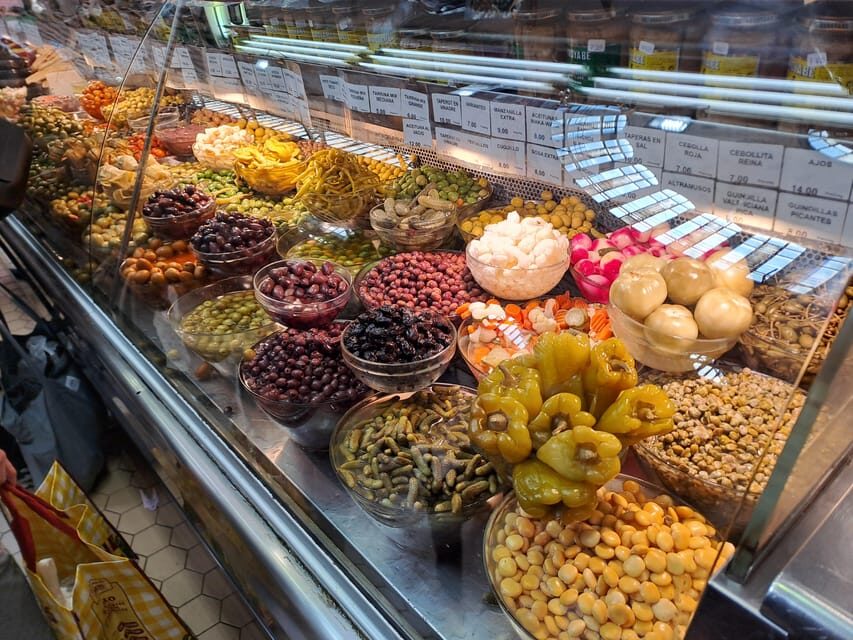
- Historic market of Valencia tasting of typical ham and cheese. The market is described as containing fresh produce from the garden, and you taste typical products there. This is a good way to understand how Valencians think about ingredients in the everyday sense, not just as restaurant garnish.
- Horchata and fartons at one of the most ancient horchaterias in the city. Horchata is made from water, sugar, and wet or ground tigernuts, and fartons are the elongated, soft sweet you dip into it. This stop is all about cooling down and resetting your palate.
Even if you don’t usually drink sweet things, the pairing makes sense. It’s not just dessert. It’s part of a Mediterranean routine.
Valencia drinks you’ll actually want to remember
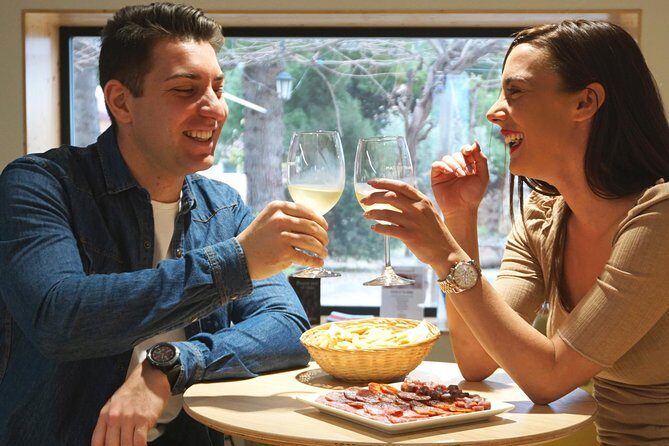
This tour includes water and both non-alcoholic and alcoholic drinks, so you’re not stuck choosing between hydration and flavor. Valencia is also specific about its signatures, and the tour leans into that.
Agua de Valencia: the city’s signature cocktail
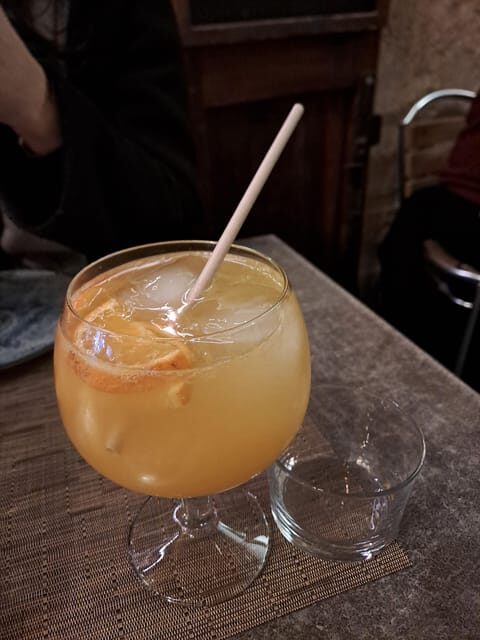
Agua de Valencia is the city’s own cocktail, and it’s described as having a Designation of Origin certification. It’s also noted as being enjoyed across the day and even as a night drink. On this tour, it’s listed as dinner only, meaning whether you try it depends on your timing.
One practical note from the experience: some people felt the drinks were okay rather than perfect. That doesn’t mean you’ll have a bad time; it just means drink quality can be a little variable depending on the bar partner and what’s available that evening. Either way, you’re learning what makes the drink Valencian, not just sipping something sweet.
Horchata and fartons: cooling, simple, and regional
Horchata is common around Valencia, but the difference here is that you visit an ancient horchateria for what’s framed as the best version. The tigernut base gives it a distinct taste, and the fartons are built for dunking. It’s a smart end-of-meal move, especially after richer tapas.
Price and pace: what $81 gets you in real terms
The price is $81 per person for about 3.5 hours, and the key value is that it’s not a guided slideshow with one small bite. You’re paying for a local guide plus food and drinks included, with at least one serving of food at each stop.
Here’s how I think about value for a tour like this:
- If you tried to recreate it on your own, you’d need to figure out where to go, how to order, and how many places to hit without wasting time.
- With a guide, you get the route, the bar selection, and the pacing so you taste a range of Valencia classics.
- Since water and alcoholic drinks are included, you’re also getting the “tapas-bar experience,” not just tasting food samples.
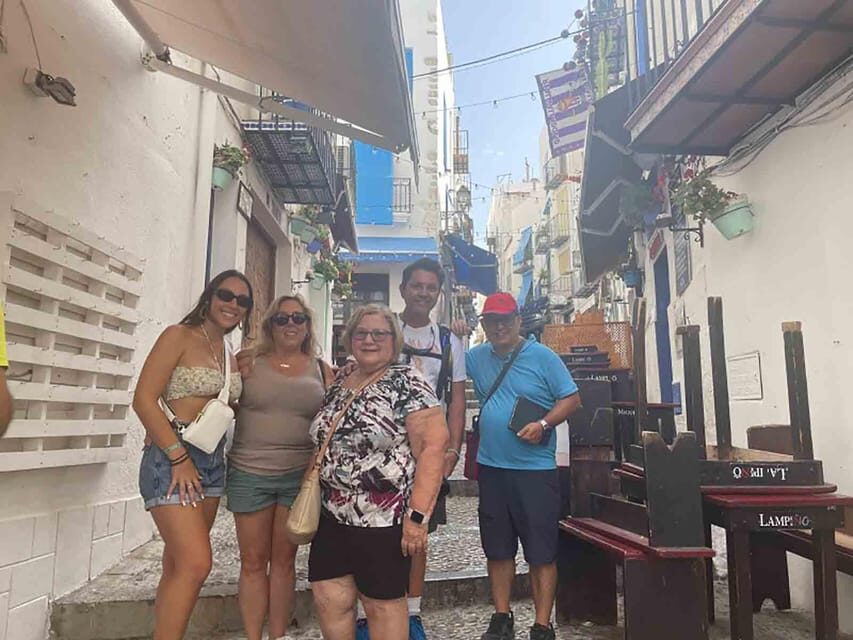
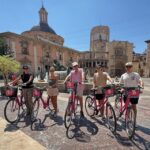
The pace is generally well received in the experiences shared with guides like Aiana, Daniel, Veronique, and Anna. People talk about friends-like guidance and good conversation, especially when the group ends up small. If you want to meet Valencia halfway, this is a good way to do it without turning the day into a constant decision-making session.
How the guide experience shapes the whole night
A walking tapas tour succeeds or fails based on the guide’s ability to read your group. In the groups guided by people like Aiana and Daniel, the common thread is that they lead you to places that feel local and older, not just convenient. The best guides don’t just hand you food; they explain what you’re tasting and why it belongs in Valencia.
You’ll often hear city context alongside the bites. That matters because it gives you the mental map to understand what you see afterward, especially in Ciutat Vella where streets repeat and landmarks can blur together.
There’s also a people factor. Some guests noted that when the group was smaller, the tour felt more tailored. If you like asking questions and getting recommendations for before/after meals, that small group limit matters: max 12 keeps it from becoming a cafeteria line.
Where you finish: Valencia Cathedral as a convenient landing spot
Ending near Valencia Cathedral is a practical win. You end in a major area, so it’s easier to decide what’s next: keep walking, grab another drink, or head back. It’s also a good sign that the tour stays focused on the city center rather than spreading you across neighborhoods.
If you’re the type who likes to use a tour to set your bearings fast, this ending helps. You can step out of the tasting route with confidence rather than feeling dropped in the middle of nowhere.
Who should book this and who should skip it
This tour fits best if you:
- Want a guided route through downtown Valencia without planning every bar stop
- Like classic tapas categories: potato starters, croquetas, anchovies, and seafood
- Drink enough to enjoy included bar beverages (water and alcoholic drinks are part of the deal)
It’s also a good choice for couples and solo travelers. With a small group cap, it’s easier to have a conversation and avoid being ignored.
Skip it if:
- You have mobility impairments. The tour is marked as not suitable for people with mobility impairments, and the format is a walking route.
- You travel with pets, luggage, or large bags. Those are not allowed, so pack light and keep it simple.
Should you book this Valencia tapas and drinks with a local?
I’d book it if your main goal is to eat your way through Valencia’s city center without wasting time guessing. The biggest strength is the combination of guided walking + multiple tasting stops + Valencian drinks. You come away with more than a full stomach: you leave with a clearer sense of what Valencia considers normal, special, and worth repeating.
Book it with a realistic expectation, though. Since tastings vary by season and availability, you can’t assume you’ll try every single named dish every time. If you’re flexible, that’s a feature, not a problem. You’ll taste what’s truly working in the moment.
If you have allergies, it’s worth asking directly before you go. One experience shared that the guide was accommodating and the group did not feel left out.
FAQ
Where does the tour start and end?
The meeting point is Plaça del Comte de Bunyol. The tour finishes near Valencia Cathedral.
How long is the walking tour?
The duration is about 3.5 hours on foot.
How many food stops do you make?
You get a food tasting tour with at least 4 stops, with at least one serving of food included at each stop.
What food and drinks are included?
Food and drinks are included, including water and alcoholic drinks. Specific tastings can include items like patatas bravas or tortilla de patatas, anchovies, croquetas, clóchinas, esgarraet, and others depending on season and availability.
Do you taste horchata and fartons or Agua de Valencia?
Horchata and fartons are listed as lunch-only, while Agua de Valencia is listed as dinner-only, so it depends on the time of day of your tour.
Are there options for lunch market tasting?
A stop for typical ham and cheese at the Historic market of Valencia is listed as lunch only, depending on your date.
What language is the guide?
The live guide speaks English and Spanish.
Is the tour suitable for people with mobility impairments?
No. The tour is marked as not suitable for people with mobility impairments.
Any packing or comfort tips before you go?
Bring comfortable shoes. Also note pets and luggage or large bags are not allowed.