REVIEW · VALENCIA
Valencia: Cooking Class of traditional spanish food
Book on GetYourGuide →Operated by VSI Tour · Bookable on GetYourGuide
Paella tastes better when it comes with stories. In a local Valencian home, you learn paella Valenciana techniques, work with local ingredients, and finish by eating what you make.
I especially like the small group setup (max 5), because you get real time at the counter. I also like that the class includes both traditional drinks and the full meal, not just a quick demo.
One drawback to consider: the experience can vary a lot in real-life setup. A few past bookings reported issues like no host on arrival, cramped work space, or basic (sometimes messy) tools and equipment, so I’d confirm details carefully before you go.
In This Review
- Key Highlights You’ll Care About
- A Local Home, Not a Showroom Kitchen
- How The 2 Hours Usually Unfold
- Paella Valenciana Lessons You Can Actually Use
- Sangria and Spanish Drinks During the Cooking
- The Meal at the Table: What You Finish With
- Price and Value: Is $71 Worth It?
- Who This Class Fits Best (and Who Should Skip)
- Practical Tips Before You Book
- Should You Book This Paella Valenciana Class?
- FAQ
- Where does the cooking class happen?
- How long is the class?
- What does the $71 price include?
- Is hotel pickup included?
- How many people are in the group?
- What language will the host or greeter use?
- Do you cook paella Valenciana specifically?
- Is there any drink included?
- Is it suitable for infants?
Key Highlights You’ll Care About
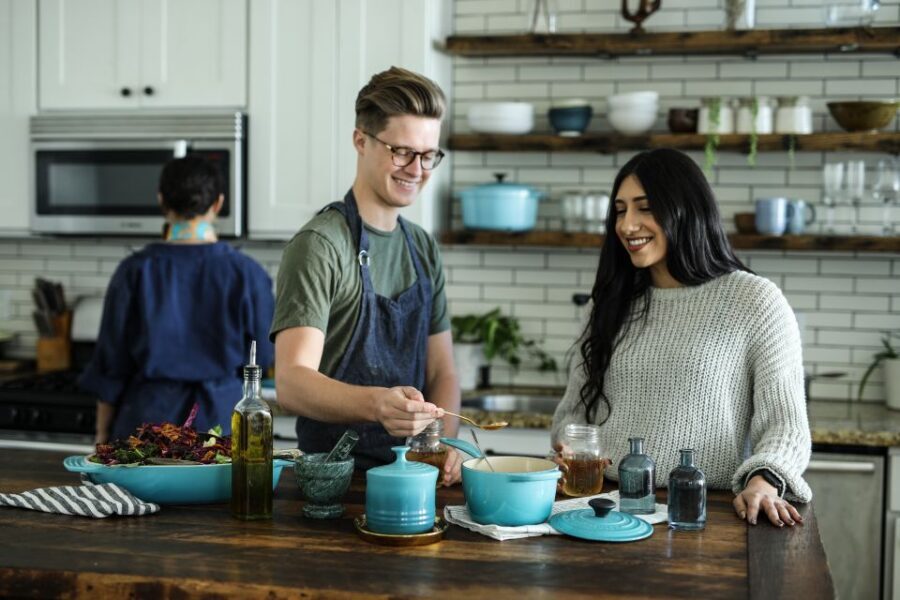
- Paella Valenciana, taught in a home kitchen with a local host guiding the method
- Max 5 people, so you’re not stuck watching from the edge
- Sangria while you cook, with the host preparing it as part of the flow
- Ingredients and food/drinks included, so you’re not constantly paying extra
- Languages covered via host/greeter in English, French, German, Lithuanian, and Spanish
- Hands-on cooking geared toward traditional technique and ingredient choices
A Local Home, Not a Showroom Kitchen
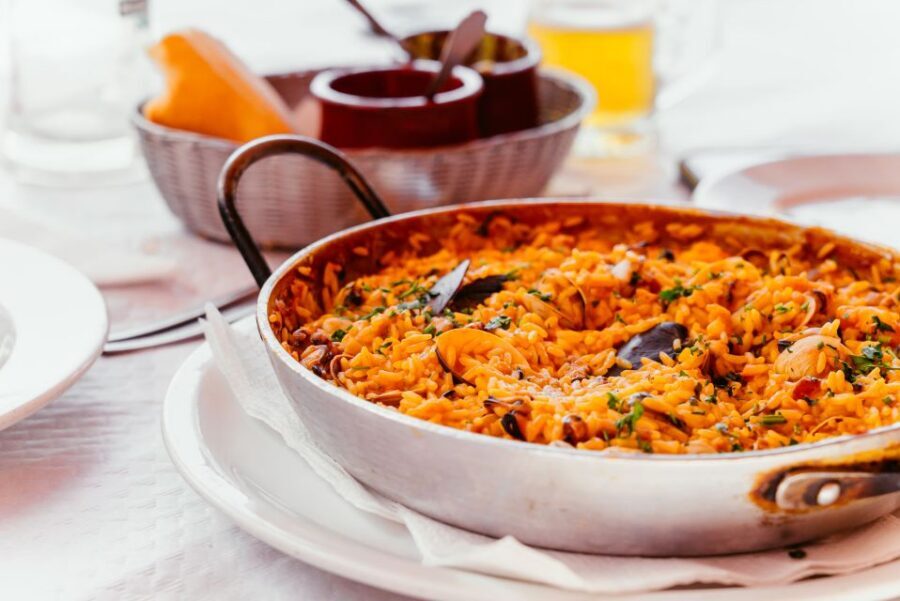
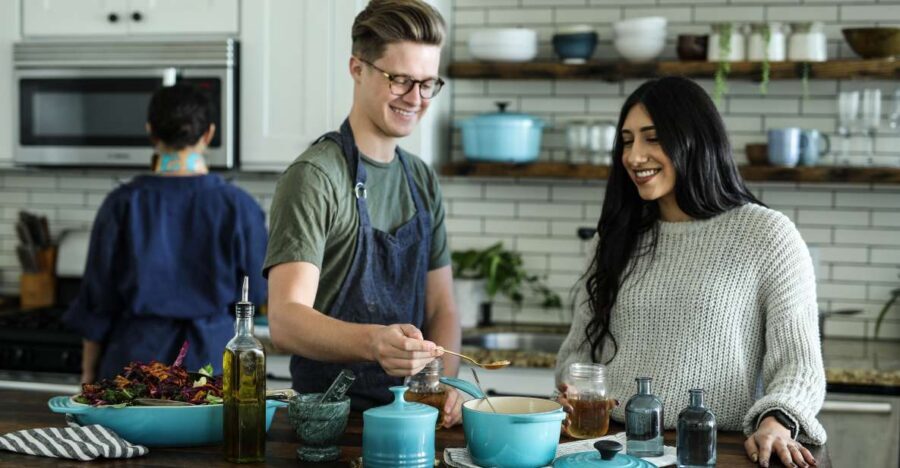
This is the kind of class that happens where locals actually live: a warm home kitchen in the Valencian Community. That matters. You’re not standing behind glass or waiting for a demo to end so you can hold a spoon for a photo. The goal is practical cooking, with someone who knows Valencia food patterns and how to explain them in plain terms.
You’ll also feel the difference in pacing. In a home, things happen in a human rhythm: talk while chopping, taste while adjusting, then gather to eat. If you like conversation and process as much as the final dish, this format suits you.
The downside of a home setting is simple: home kitchens can be small. One person reported having to cook in turns and mentioned a very tight kitchen setup. Another flagged basic tools and even dirty utensils. That doesn’t mean your class will be like that, but it does mean you should treat this as a real “work space” experience, not a polished cooking studio.
You can also read our reviews of more food & drink experiences in Valencia
How The 2 Hours Usually Unfold
You’re signing up for a tight, two-hour session, so expect the host to guide you through a clear sequence rather than a long, slow cooking day.
Here’s the structure that best matches what this class is built to do:
1) Meet your local host in their home kitchen and get oriented
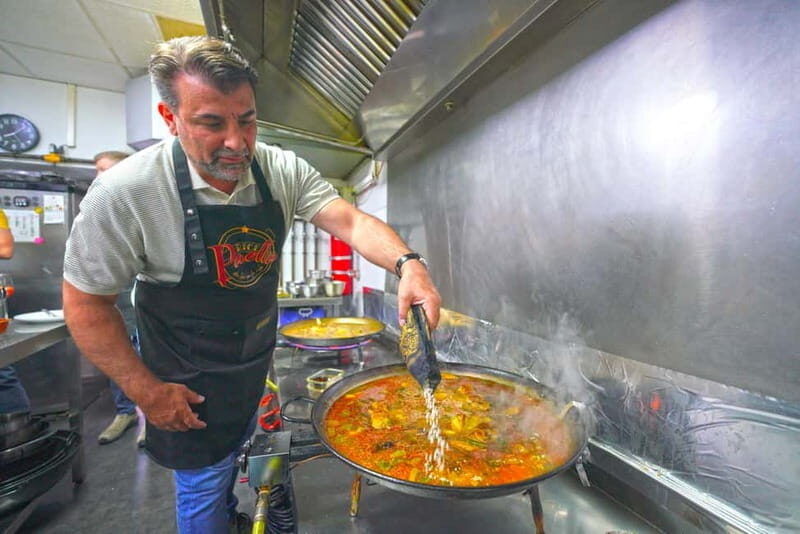
2) Cook paella Valenciana together using included ingredients
3) Sip traditional sangria during the cooking
4) Sit down to eat a traditional Valenciana meal featuring what you made
Because this is a small group (up to 5), the host can keep everyone moving. You should plan to spend most of the two hours actively cooking, not hovering around waiting.
One note that’s worth taking seriously: you’re paying for a guided experience, but a past participant said ingredients were given without quantities. If you’re the kind of cook who likes exact measurements and step-by-step written portions, that’s a potential mismatch. The class seems focused on method and balance, so the host’s hands-on guidance is the real product.
Paella Valenciana Lessons You Can Actually Use
The big promise here is learning the secrets behind authentic paella Valenciana—not just making rice and hoping for the best.
What you can realistically expect to learn from this kind of class:
- How to work with local rice varieties (the ingredient choice is part of the method)
- How the dish balances fresh seafood and meats using local products
- How to follow the host’s cooking approach so the final paella is flavored and composed, not just cooked through
Paella is one of those dishes where small decisions change the outcome. In a good class, you learn those decisions in the moment: how the ingredients are treated, when they’re added, and what the host pays attention to as it cooks.
And this is where a local home setup can shine. A local host can explain what matters in Valencia kitchens and why certain combinations are normal there. Even if you don’t cook paella often back home, you’ll walk away understanding the logic behind it, which makes your own attempts more confident.
Sangria and Spanish Drinks During the Cooking
Food classes can get dry fast if the only thing happening is chopping. Here, there’s a built-in social rhythm: traditional sangria, prepared with care by the host, while you cook.
That does two useful things:
- It turns the class into a shared experience, not a silent task
- It gives you context for how Spanish dining feels in a home setting
A couple of negative accounts said the class didn’t include coffee or dessert. That doesn’t come up in the core description, so I’d treat it as a “you might not get extra extras” consideration rather than a guaranteed absence. If you want a full meal feel with dessert, you may want to plan a sweet stop afterward.
The Meal at the Table: What You Finish With
After the paella is done, you gather around the table and eat a traditional Valenciana meal that features what you cooked. That ending matters because cooking classes sometimes end right when the food hits the pan. Here, the meal is part of the purpose.
In a small group setting, you also get something practical: you can ask questions while you’re eating. If your paella turned out slightly different than expected (it happens even in great classes), the host can usually explain what they were aiming for and how they’d adjust next time.
One person described the overall experience as friendly and said the food was fresh and excellent, including stories about Valencia. That kind of closing conversation is exactly the point of doing this in a home rather than a classroom.
You can also read our reviews of more tours and experiences in Valencia




Price and Value: Is $71 Worth It?
$71 per person for a 2-hour class in a max 5-person group includes the workshop, ingredients, and food and drinks. No hotel pickup or drop-off is included.
On value, the math depends on what you care about:
- If you want a guided, hands-on paella experience with the meal included, $71 can feel fair. You’re not paying separately for ingredients and you’re not just buying a taste.
- If you expect a high-end studio with spotless tools, polished equipment, and flawless organization, the value gets weaker quickly. Some past participants described issues like messy utensils, basic tools, and even a missing host or unreachable contact.
That mixed reality is why I’d treat this as a “good plan if it’s well-run” type of booking. When it runs well, you get a full, local-feeling culinary night. When it doesn’t, you may feel the price mismatch fast.
If you’re on a tight schedule, this also helps: two hours is short enough to fit between sightseeing. Just make sure you’re not counting on a smooth door-to-door pickup, because that piece isn’t included.
Who This Class Fits Best (and Who Should Skip)

Best fit:
- You want to learn paella Valenciana with a local host, not just eat it
- You like small-group cooking so you can actually help while the host teaches
- You enjoy Valencia stories and want a home-kitchen snapshot of daily local life
This is also listed as not suitable for babies under 1 year, which is important if you’re traveling with an infant.
Consider skipping if:
- You need a perfectly standardized kitchen setup. In a home, tools and space can be variable.
- You rely on exact ingredient quantities or very structured written instructions. One account noted ingredients without quantities.
- You are uncomfortable with the idea that organization problems can happen (including reports of hosts not being present at the address).
If you’re the kind of traveler who likes culinary risk in exchange for authenticity, this could be a great match. If you want everything to run like a factory clock, be cautious.
Practical Tips Before You Book
Here are the things I’d do to keep this experience on the right side of value:
- Confirm the meeting address and contact method in advance. Some people reported arriving and finding nobody familiar with the event, plus trouble reaching the listed phone.
- Think of it as a home kitchen. That means space is limited and equipment may be basic. Plan to be flexible.
- Go in hungry and ready to cook. The schedule is short, and the class includes food and drinks, so you’re likely not just “tasting.”
- Plan a backup meal plan. Not because the class is always bad, but because you’ve seen from the performance range that the worst-case scenario is more than a minor inconvenience.
One more tip: you’ll be working with ingredients that include seafood and meats. If you have food restrictions, this class description doesn’t spell out accommodations, so double-check with the provider before you go.
Should You Book This Paella Valenciana Class?
I’d book it if you want something hands-on, small-group, and Valencia-centered, and you’re comfortable in a home-kitchen setting. When it works, this sounds like exactly the kind of class that turns paella into a personal experience: teaching, sangria, and a shared meal.
I wouldn’t book it blindly if you need strict reliability, spotless equipment every time, or a guaranteed full “café-style” finish like coffee and dessert. The price can feel great when everything is running smoothly, but it’s not the kind of cost you want to gamble on if you’re counting on a flawless setup.
If you do book, do your homework on the address and the communication plan first. That one step can protect the whole night.
FAQ
Where does the cooking class happen?
It takes place in the Valencian Community, in a local host’s home kitchen. Hotel pickup and drop-off are not included.
How long is the class?
The duration is 2 hours.
What does the $71 price include?
The price covers the workshop, ingredients, and food and drinks.
Is hotel pickup included?
No, hotel pickup and drop-off are not included.
How many people are in the group?
The group is small, limited to 5 participants.
What language will the host or greeter use?
The host or greeter is listed as speaking French, English, German, Lithuanian, and Spanish.
Do you cook paella Valenciana specifically?
Yes. The class focuses on learning the secrets of authentic paella Valenciana.
Is there any drink included?
Yes. You’ll sip traditional sangria prepared by your host, as part of the class experience.
Is it suitable for infants?
It is not suitable for babies under 1 year.