REVIEW · VALENCIA
Valencia: Orange Farm and Orchard Trip with Tastings
Book on GetYourGuide →Operated by HUERTO RIBERA · Bookable on GetYourGuide
Orange blossoms are a whole mood. At Huerto Ribera, you get a guided walk through citrus groves and a hands-on orange picking moment that turns a farm visit into something you can actually take home. I also like the way the tour connects old-school growing methods with what happens after harvest, including the calibration/sorting step. One heads-up: transportation isn’t included, so you’ll need a plan to get to Carcaixent (either train + walk/taxi, or by car).
This is a 2-hour, English-language guided experience built around Carcaixent, often called the orange cradle, and a farm operation running since 1870. I like that guides such as Teresa and Ana E. keep it practical—pruning, grafting, flowering, and how different citrus varieties behave—while still leaving time for tasting real Valencian products at the end. The “consideration” for your schedule is simple: with limited time, you’ll want to arrive on time so you don’t miss the orchard and warehouse parts.
In This Review
- Key Points You’ll Care About
- Getting to Huerto Ribera: Carcaixent’s Orange-Cradle Setup
- The 19th-Century Huerto Ribera House and Gardens Start the Experience
- Orchard Walk: Cultivation, Pruning, Grafting, and Citrus Variety
- Pick-Your-Own Oranges: What You Can Take Home (and When)
- Naranjas Ribera Warehouse: Calibrating and Selecting Fruit for Europe
- The Irrigation Well and How Water Shapes the Crop
- Tastings at the End: Valencia Orange Juice, Liqueurs, Jams, Honey
- Price and Real Value: What $35 Covers for a 2-Hour Visit
- Timing, Heat, and What to Pack for Orange Season
- Should You Book Huerto Ribera’s Orange Farm and Tastings?
- FAQ
- How long is the Huerto Ribera Orange Farm and Orchard Trip?
- What’s the price per person?
- What’s included in the tour?
- When can I pick my own oranges?
- Where do I meet the tour?
- How do I get there from Valencia by train?
- Is the tour suitable for wheelchair users?
- What should I bring?
Key Points You’ll Care About
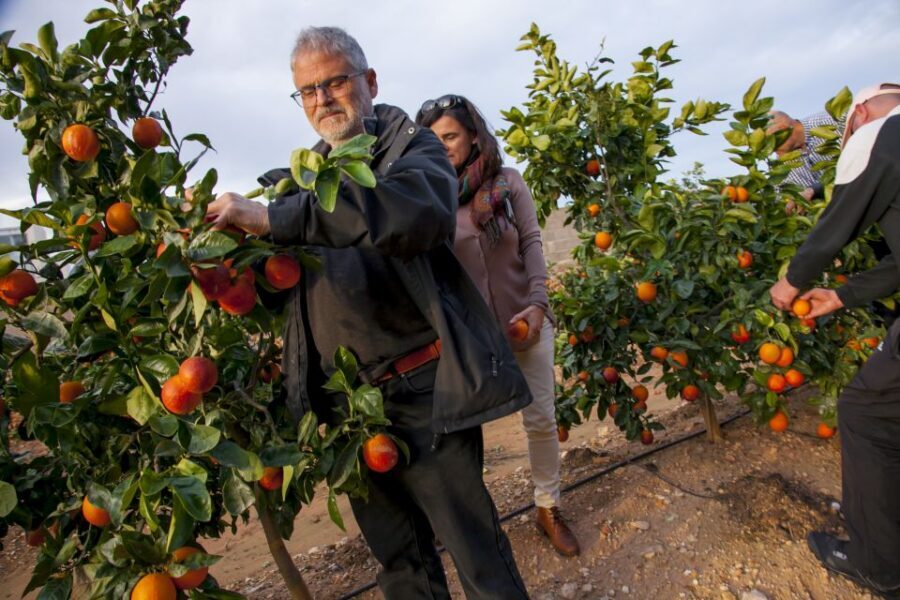
- Pick your own citrus during the in-season window (and you’re set up to take a bag home)
- See traditional cultivation meets modern selection, including how oranges are calibrated
- Try unusual citrus varieties such as Sanguinelli, Citrus Yuzu, and Buddha’s Hand
- Taste Valencian orange products like fresh juice, liqueurs, homemade jams, and orange blossom honey
- Expect a pleasant but active walk through the gardens and groves in a working farm setting
Getting to Huerto Ribera: Carcaixent’s Orange-Cradle Setup
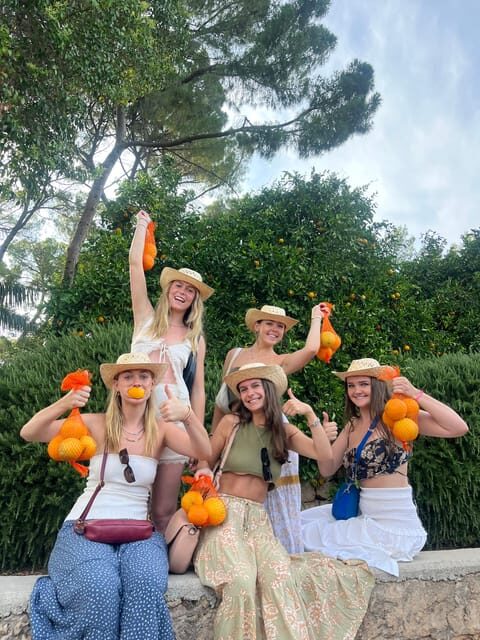
Huerto Ribera sits in Carcaixent, about 35 km from Valencia, in the Valencian Community. Meeting point is the farm itself: Polígono Nº 53, 5, 46740 Carcaixent, Valencia, Spain. If you’re driving, it’s straightforward: get yourself there and you’re done. If you’re coming by train, the listing says the ride from Valencia Nord Station takes about 35 minutes on a direct service.
Here’s the practical bit: transportation isn’t included. That means you’re responsible for the “last mile” from the train station to the farm. Some people handle it with a taxi, others with a walk—either way, you should check the route options ahead of time so you don’t end up sprinting toward your 2-hour slot.
Also, build in a little margin for heat. Several people highlight that the farm can be much warmer than Valencia in summer, so light clothes help even if you’re used to city temperatures.
You can also read our reviews of more tours and experiences in Valencia.



The 19th-Century Huerto Ribera House and Gardens Start the Experience
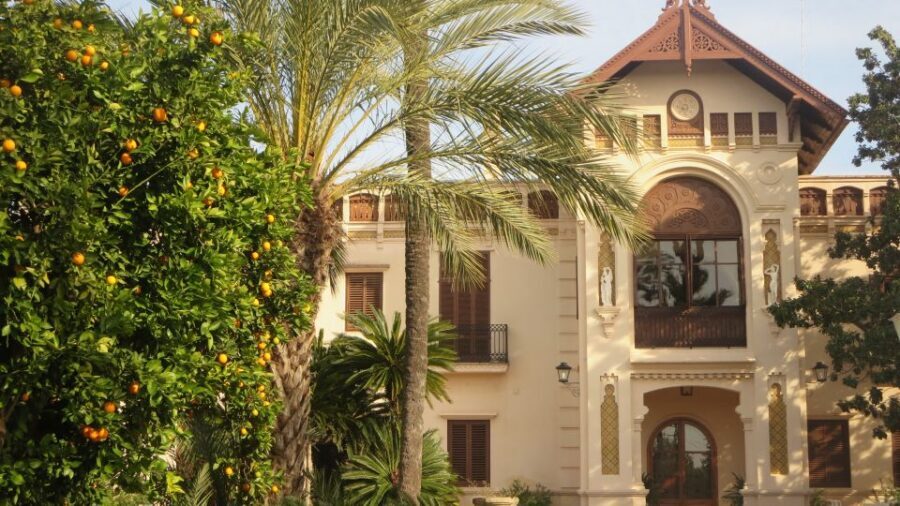
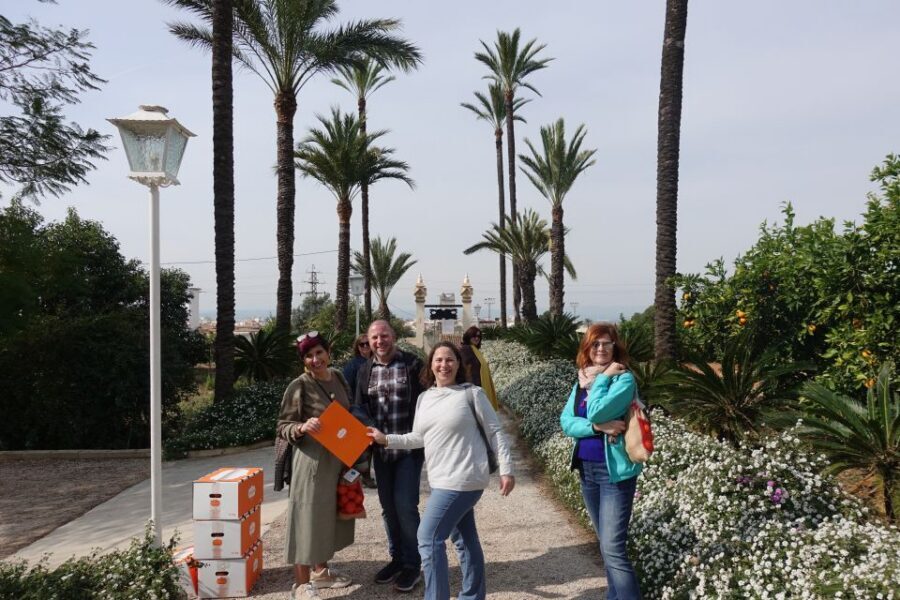
Before you even reach the rows of trees, the tour begins at Huerto Ribera with an exterior look at the farm’s eclectic 19th-century modernist house. It’s not just a pretty backdrop. The house and gardens set the tone: this is a family-run agricultural place with long roots, not a staged photo stop.
You’ll then walk through the gardens and into the groves, and that’s where the guide’s style matters. Several guests mention guides who really explained what they were seeing, in clear English, and kept questions moving. Expect the walk to function like a living lesson: why trees are shaped a certain way, how flowering fits into the year, and how growers manage different citrus varieties.
If you visit when orange blossoms are in season (spring is the big one), you’ll notice the smell right away. More than one review calls out the orange-blossom aroma as a major highlight, so plan for sensory overload—in a good way.
Orchard Walk: Cultivation, Pruning, Grafting, and Citrus Variety
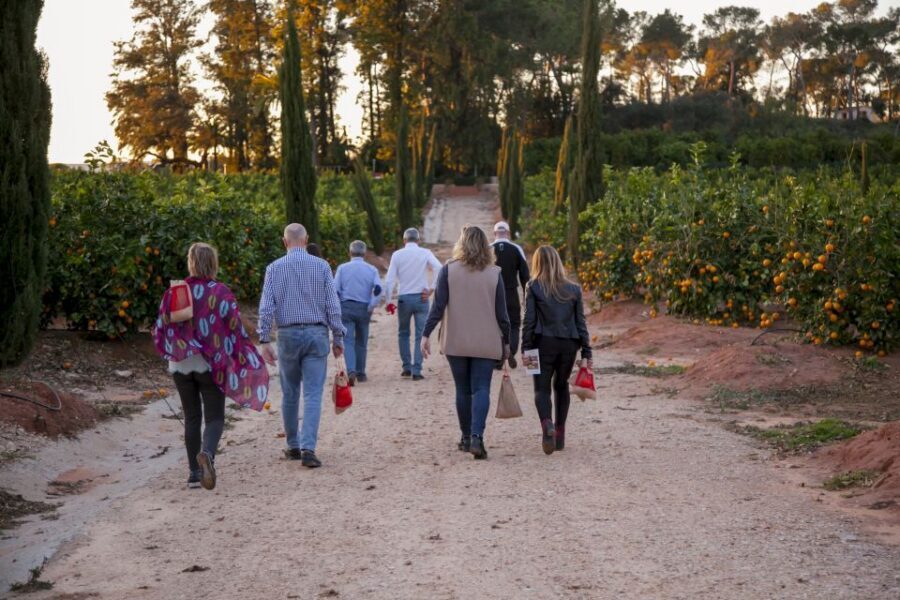
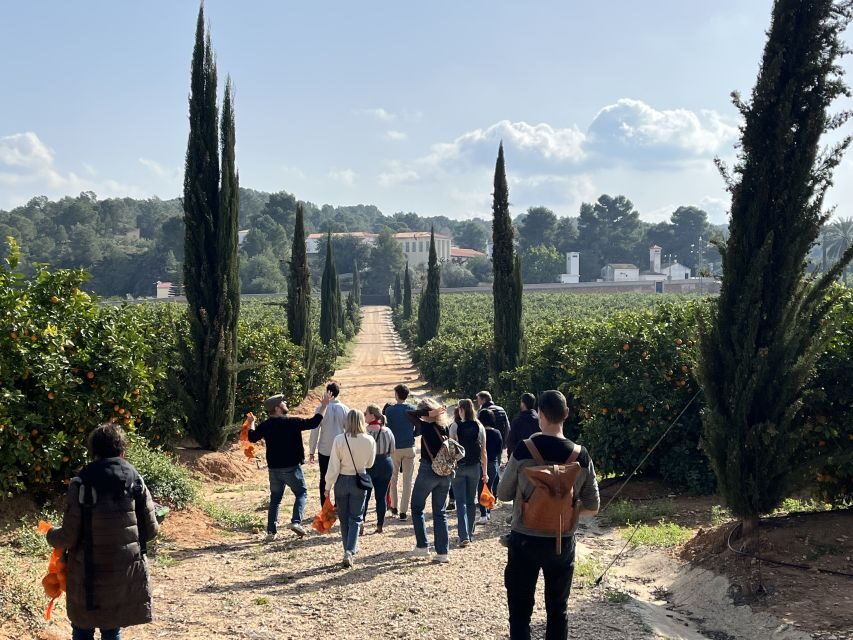
This is the heart of the tour: a guided stroll where you learn how Valencia citrus gets grown and maintained. The tour focuses on traditional cultivation, including the basics of history, varieties, pruning, grafting, and flowering.
You’ll hear comparisons between older methods and modern techniques. Even if you don’t have a farming background, it helps to listen for the “why.” Pruning isn’t just trimming; it’s light management. Grafting isn’t just plant magic; it’s about matching rootstock and fruit behavior. Flowering timing affects harvest windows. Those links turn the grove into a system, not just scenery.
As you walk, you’ll see a wide mix of citrus and related crops. The tour description lists oranges and tangerines, plus other fruit trees in the farm environment such as avocados, Buddha’s Hand, citrus caviar, lemons, kumquats, grapefruit, pomegranates, papayas, and medlars. You’ll also hear about specific citrus varieties like Sanguinelli and Citrus Yuzu, plus Buddha Hand.
One tip: go into this part with curiosity, not a shopping mindset. The best value comes when you pay attention to what makes each variety different—taste, texture, and harvest timing—because that’s what sets up the tastings later.
Pick-Your-Own Oranges: What You Can Take Home (and When)
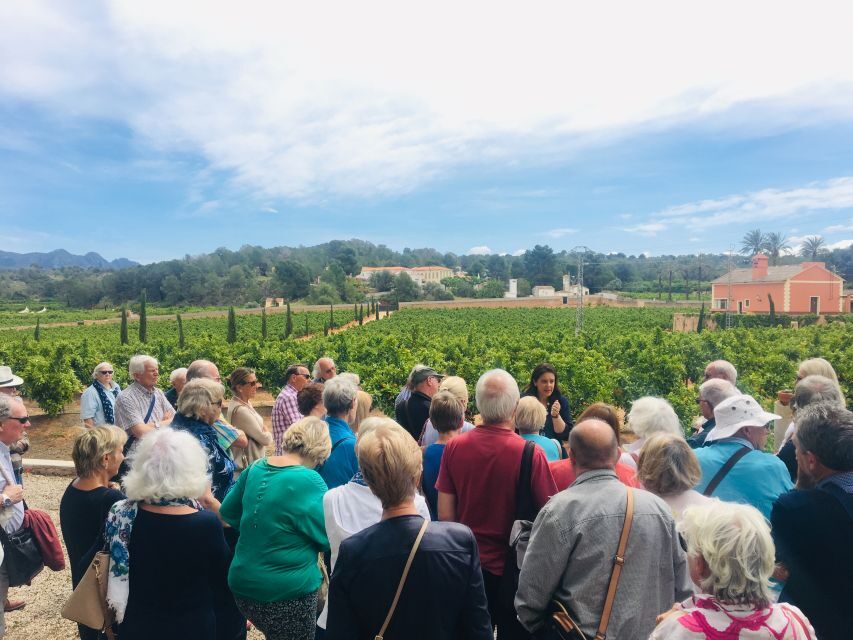
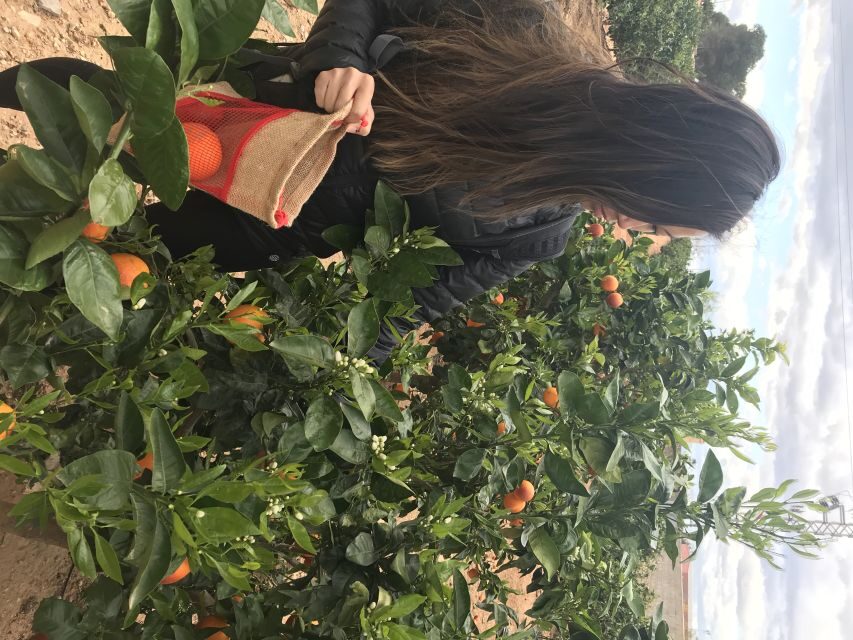
The tour includes picking your own fruit during the season. The description says oranges can be collected in season from October through June. But the included detail is tighter: you get a pick-your-own bag of oranges from February to June.
So here’s what to do before you book: match your travel month to the picking window you care about. If you’re traveling outside February–June, you might still see lots of fruit and tastings, but the “bag home” part may not line up with what’s included.
During the picking time, you’re set up to take home your own bag of oranges. That’s a big deal in practice. It’s one thing to taste orange juice on-site; it’s another to bring actual fruit back for morning slices, marmalade experiments, or just straight-up snacking.
In the reviews, the picking moment is one of the most praised highlights. People describe it as fun, memorable, and generous in quantity, with guides being friendly and accommodating during the process.
What to bring to make picking easier: comfortable shoes. Light clothes help too, especially in warmer months.
Naranjas Ribera Warehouse: Calibrating and Selecting Fruit for Europe
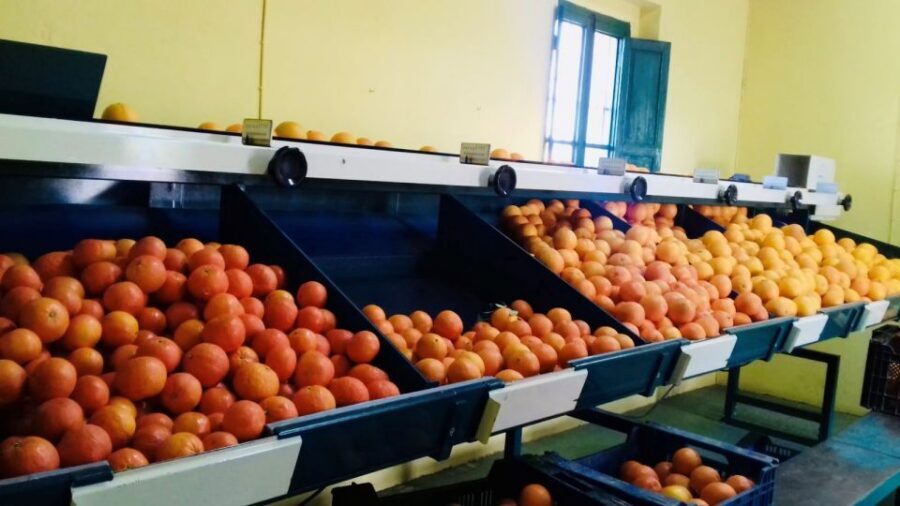
After the orchard walk, the tour shifts from “growing” to “what happens next.” You’ll take part in the Naranjas Ribera warehouse experience and learn how they calibrate and select oranges before boxing them for shipping across Europe.
This is one of the most valuable segments because it explains the invisible part of your fruit purchase. You get to see that “fresh orange” isn’t only about flavor—it’s about size, quality standards, and sorting decisions made after harvest. The calibration step is where the farm turns a living grove into a product pipeline.
For you, that means you’ll understand why oranges you buy elsewhere might look consistent but taste different. Size grading changes how fruit moves through supply chains. Variety choice and growing conditions affect flavor profiles. The tour gives you a real-world framework for those differences.
If you’re the type who enjoys seeing how industries work behind the scenes, this section is a strong payoff for the 2-hour format. It also helps the whole experience feel more grounded than a simple walk-and-taste.






The Irrigation Well and How Water Shapes the Crop
One more technical stop you’ll make is the well that irrigates the orchard. It’s a small part of the route, but it matters because citrus isn’t grown on luck. Water management influences fruit size, sweetness, and overall tree health.
The tour description points to the well directly, so you’re not left guessing. You’ll understand that Valencia citrus depends on an environment that supports consistent production, and the tour frames that in practical terms.
If you’re sensitive to dehydration or heat, plan to pace yourself during the walk back and forth between stops. Comfortable shoes and a water-smart mindset are your best friends here.
Tastings at the End: Valencia Orange Juice, Liqueurs, Jams, Honey
The tour finishes with tastings of typical Valencian products. Expect orange juice and, when in season, tangerines. You’ll also try Valencian liqueurs, homemade jams, and orange blossom honey.
A couple of extra details show up repeatedly in reviews. Many guests mention being greeted at the start with something like lemonade and orange blossom cookies, coffee and biscuits, or similar citrus-themed treats. At the end, people often highlight the fresh orange juice as a top moment—simple, but it lands because you just picked fruit moments earlier.
You may also taste a wider range of citrus products related to what’s growing on the property. Reviews mention items like citrus caviar and a spread of juices and preserves. The overall effect is that tastings aren’t treated as a random add-on. They’re a direct extension of what you learned while walking the orchard.
If you’re worried about it being too “sales-y,” don’t. The shop is there at the end, but the tone in reviews often describes it as generous and easy rather than pushy. You’ll likely have time to buy small gifts like marmalades, honey, or liqueurs—especially if you’ve picked fruit to compare with what’s processed.
One practical note: plan for where you’ll store purchases. A few people mention not having enough luggage space for additional goods, which is smart to consider if you’re traveling light.
Price and Real Value: What $35 Covers for a 2-Hour Visit
At $35 per person for a 2-hour tour, this isn’t just a “see some trees” experience. The value is in the mix:
- Guided instruction through the grove (history, varieties, pruning/grafting/flowering)
- A working look at post-harvest selection and calibration
- Pick-your-own fruit during the included season window
- Tastings of Valencian orange products plus liqueurs, jams, and honey
The best way to think about the price: you’re paying for access. Access to a functioning farm setting, access to sorting/calibration know-how, and access to a guided explanation that connects those steps. Then you get a souvenir that isn’t plastic: oranges you pick yourself.
Because transportation isn’t included, your true cost depends on how you get there. Still, for many visitors the pricing feels fair because the experience packs multiple parts into only 2 hours.
Timing, Heat, and What to Pack for Orange Season
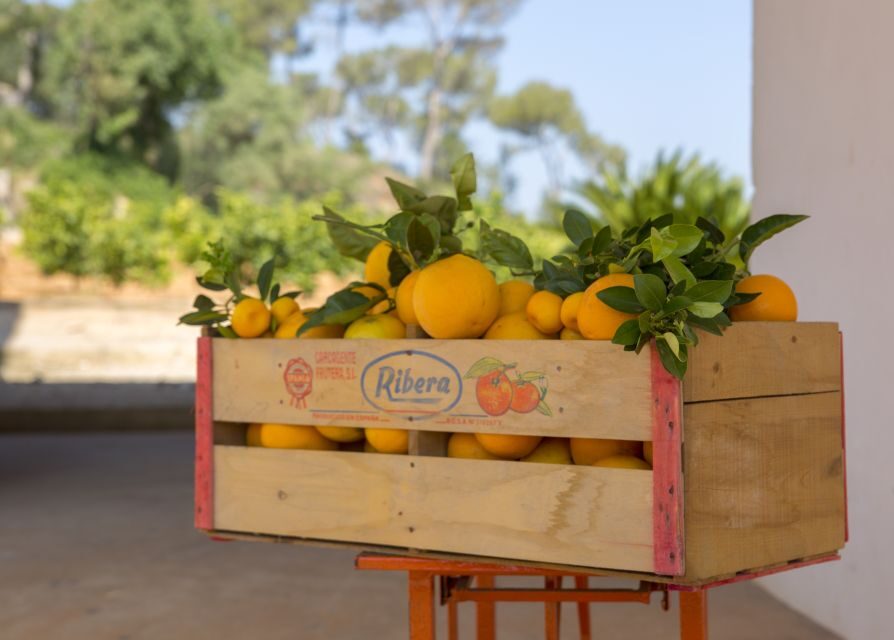
Timing affects what you’ll notice, especially blossoms and fruit maturity. Orange blossom season is a big deal; multiple reviews mention visiting when blossoms were blooming, with the smell becoming a major highlight. For picking, the included bag window is February to June, even though the broader picking season runs from October to June.
If you go in warmer months, wear light clothing and plan for sun. Reviews mention hats being provided at least on some days, which is helpful if you forgot yours. Either way, bring something to shade your face, because the orchard walk can be hotter than you expect.
Your “must pack” list is short:
- Comfortable shoes
- Sun protection (especially in summer)
- A small bag for the fruit if you’re not planning to use the included bag
Should You Book Huerto Ribera’s Orange Farm and Tastings?
You should book if you want a farm visit that feels connected from tree to table. This works especially well if you:
- Like learning how food is grown and processed (not just tasting it)
- Want the orange picking experience with something genuinely local to take home
- Enjoy citrus varieties beyond standard supermarket oranges, including items like Sanguinelli and Buddha’s Hand
Skip it or reconsider if you:
- Don’t want to manage transport separately (since transportation isn’t included)
- Need wheelchair-friendly access, because the activity is listed as not suitable for wheelchair users
If you’re choosing one “food-and-farm” side trip from Valencia, this is a strong candidate. It gives you an educational route, a sensory experience with blossoms and juice, and a tangible takeaway in your bag.
FAQ
How long is the Huerto Ribera Orange Farm and Orchard Trip?
The tour lasts 2 hours.
What’s the price per person?
The price is $35 per person.
What’s included in the tour?
Included are a pick-your-own bag of oranges (Feb–Jun), a tasting of local products, and a tour guide.
When can I pick my own oranges?
Picking is described as in season from October through June, and the included pick-your-own bag is February through June.
Where do I meet the tour?
Meet at Huerto Ribera, Polígono Nº 53, 5, 46740 Carcaixent, Valencia, Spain.
How do I get there from Valencia by train?
From Valencia Nord Station, the train takes about 35 minutes on a direct service (transportation to/from the farm beyond the train is not included).
Is the tour suitable for wheelchair users?
The activity is listed as not suitable for wheelchair users.
What should I bring?
Bring comfortable shoes.
If you want, tell me your travel month and how you plan to get from Valencia (car vs train). I’ll help you judge whether the picking window and heat level will match your day.