REVIEW · VALENCIA
Valencia: Street Art Tour on Bicycle, E-Bike or E-Step
Book on GetYourGuide →Operated by Pelican Bike · Bookable on GetYourGuide
Few neighborhoods tell their story in spray paint. This street art bike tour guides you through El Carmen’s alleys to read murals like local news, jokes, and protests.
I especially like the way the tour anchors the art in real context: the Great Flood of 1957 murals explain why El Carmen became a magnet for artists when the neighborhood needed a reset. You also get a guide who connects symbols and style to everyday life, not just art-school facts.
One thing to consider: this is a proper bike experience, and it’s not suitable if you can’t ride a bike. With lots of stops for photos and discussion, it’s great fun, but you’ll want comfortable riding stamina for 2 hours.
In This Review
- Key highlights you’ll actually care about
- Why El Carmen Street Art Reads Best When You Ride Through It
- Starting at Pelican Bikes and Getting Ready for 2 Hours of Looking
- The Great Flood of 1957: How Valencia’s Murals Got Their Backstory
- Escif and the Wall-Speakers You’ll Learn to Spot
- Hidden Messages, Surreal Creatures, and the Art in the Small Stuff
- How the Tour’s Pace Works Over 2 Hours
- Bike, E-Bike, or E-Step: Choose the Right Ride for El Carmen
- Price and Value: What $29 Buys You Beyond a Photo Stop
- Languages and Group Style: Making It Comfortable for Your Pace
- Who Should Book (and Who Should Skip)
- Should You Book This Street Art Bike Tour?
Key highlights you’ll actually care about
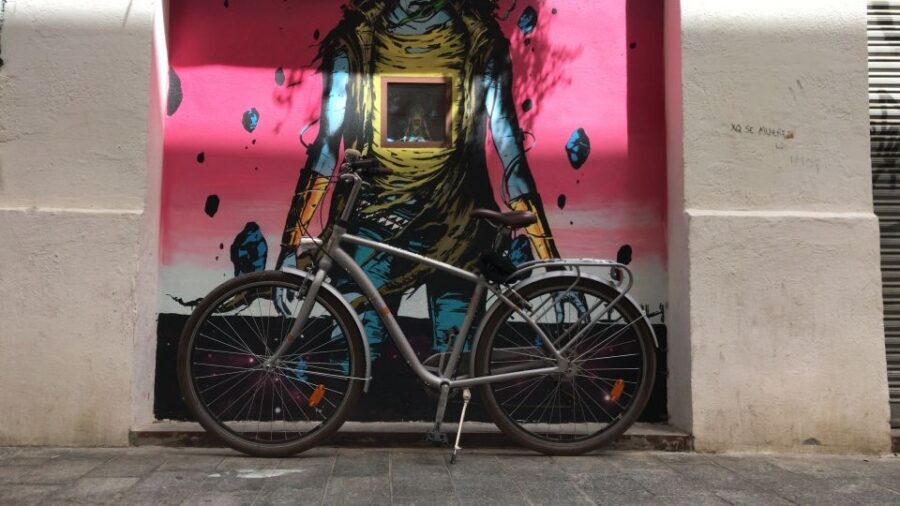
- El Carmen backstreets on two wheels, where murals make more sense when you’re moving street to street
- Great Flood of 1957 artwork that links Valencia history to today’s street scene
- Escif and other big names in a tour built around meaning, not just “pretty walls”
- Frequent photo-friendly stops plus time to ask questions and look closely
- Hidden work that rewards slow attention: tiny tags near doorways and details in larger pieces
- Guides like Atty, David, and Antonio are praised for energy, clarity, and pacing, especially on private tours
Why El Carmen Street Art Reads Best When You Ride Through It
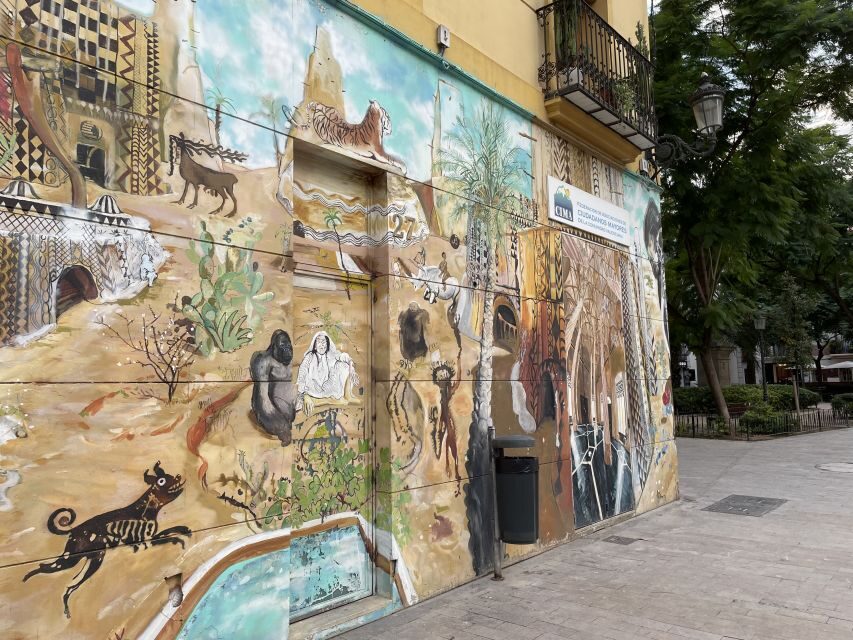
Valencia’s street art hits differently in motion. A wall you’d miss while wandering can suddenly line up with your sight as you turn a corner on a bike. And El Carmen is made for that. The streets are tight, the lighting changes fast, and murals sit at human height. When you stop, you’re not just looking at paint. You’re reading a conversation between artists and the neighborhood.
What I like about doing it by bike is that it turns street art from a list of stops into a storyline. You’ll see the big images, sure, but you’ll also learn what to hunt for: hidden messages, symbolic details, and the way different artists use humor, rebellion, and identity to talk back to power.
And the tour doesn’t treat street art like a museum display behind glass. It frames it as an ongoing local language. Politics shows up. Fantasy shows up. Feminism and identity show up. Even “everyday life” shows up. That’s what makes it more than a photo walk.
You can also read our reviews of more cycling tours in Valencia
Starting at Pelican Bikes and Getting Ready for 2 Hours of Looking
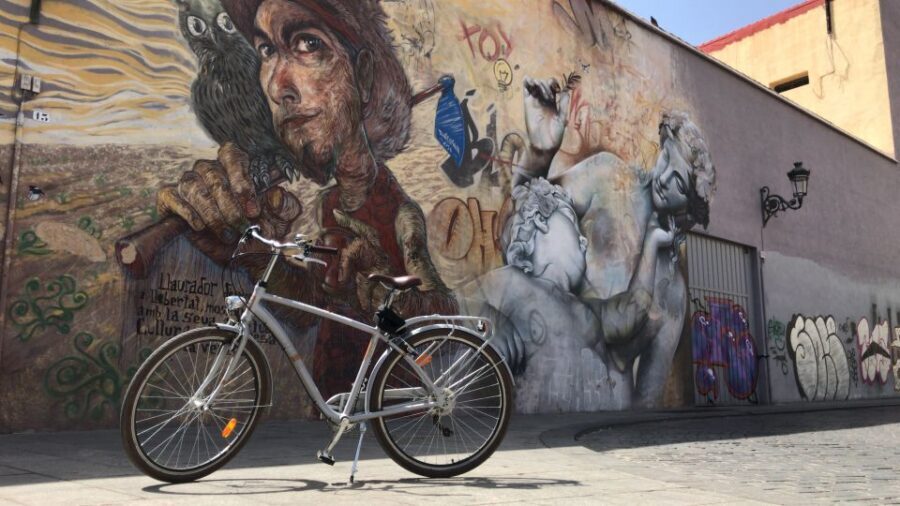
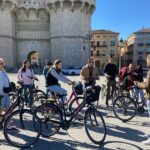
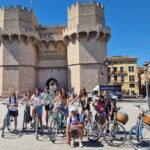
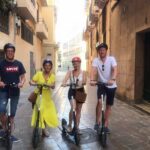
The tour meets at the Pelican bikes shop. From there, you get set up on a bike option and get a bottle of water, which matters because you’ll be stopping and starting a lot. The route stays inside El Carmen, where your biggest challenge is paying attention: you’ll be asked to notice details in walls, doors, and alley corners.
The rhythm is also part of the experience. This isn’t one long lecture and then a couple of quick snapshots. Expect multiple stops. At each one, your guide points out what the artist is doing and what it might mean in context. Then you get time to look, take photos, and think before the group rolls on.
If you’re doing this with kids or teens, that structure helps. In the feedback I saw, guides used interactive questions in teams to keep attention up. It turns “please watch the guide” into “we’re playing detective.”
The Great Flood of 1957: How Valencia’s Murals Got Their Backstory
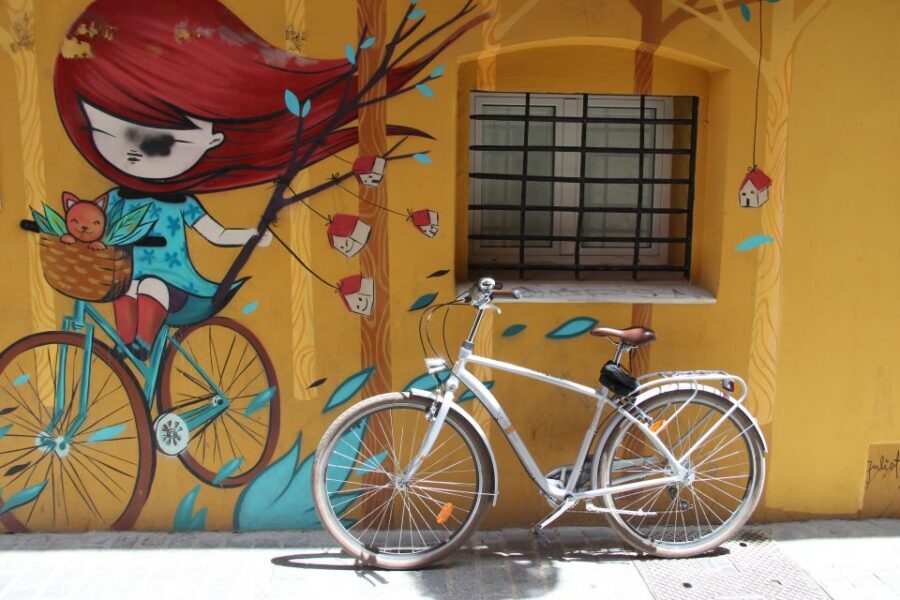
A lot of street art tours start with the artists. This one starts with the neighborhood itself. You begin with murals that commemorate the Great Flood of 1957, an event that reshaped El Carmen.
The idea is simple and powerful: after the flood, buildings were left empty or damaged. With lower rents, more artists moved in. Over time, the area became known for turning repairs and opportunity into an open-air gallery.
That historical frame changes how you read everything after. When you see surreal creatures painted on a wall, it doesn’t feel random. When you see symbols tied to protests or social themes, it doesn’t feel like just edgy decoration. You start to connect the art to a place that learned how to reinvent itself after disruption.
This is also why the tour feels human. It’s not only about aesthetics. It’s about why people draw on walls in the first place: to speak when other channels feel closed.
Escif and the Wall-Speakers You’ll Learn to Spot
You’ll spend real time on the artists and what their work is trying to say. A standout is Escif, often described as a Valencian Banksy. The value here isn’t the nickname. It’s the way your guide helps you recognize the style of messaging: street art that mixes social commentary with clever visual cues.
You’ll also hear about other artists associated with Valencia’s street scene, including David de Limón, Julieta XLF, Arqui Costura, Deih, and Hyuro. The guide ties them to themes like politics, fantasy, feminism, identity, and everyday life, so you can start spotting patterns across different artists even when the mural style changes.
Here’s the practical payoff: once you know what questions to ask—what symbol is being used, what idea is being argued, who the art seems to support or challenge—you’ll start doing the detective work yourself. You won’t just see “a cool mural.” You’ll understand why it exists and what message it’s carrying.
In feedback from the ground, guides such as Atty were praised for being enthusiastic and weaving in history smoothly, and guides like David were called fantastic for keeping the tour engaging with active question formats.
Hidden Messages, Surreal Creatures, and the Art in the Small Stuff
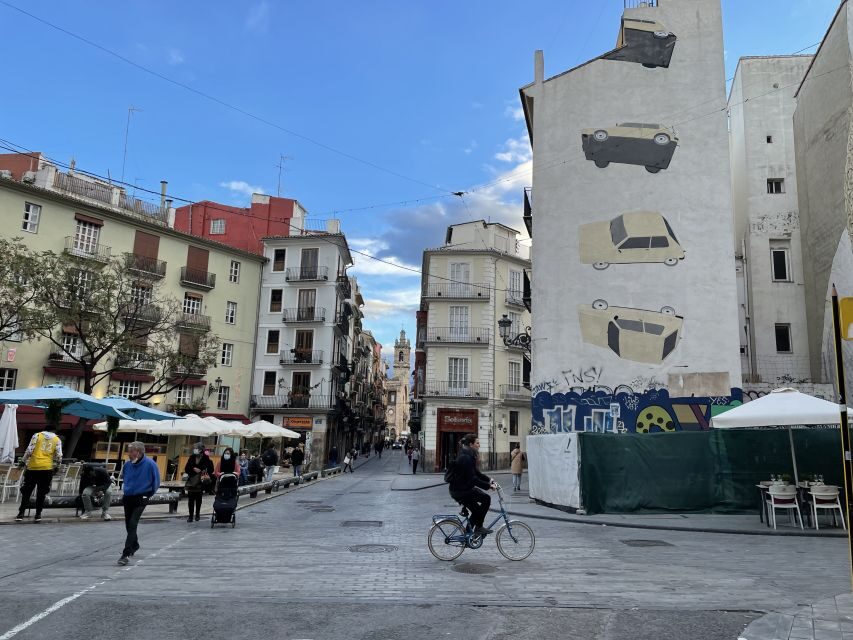
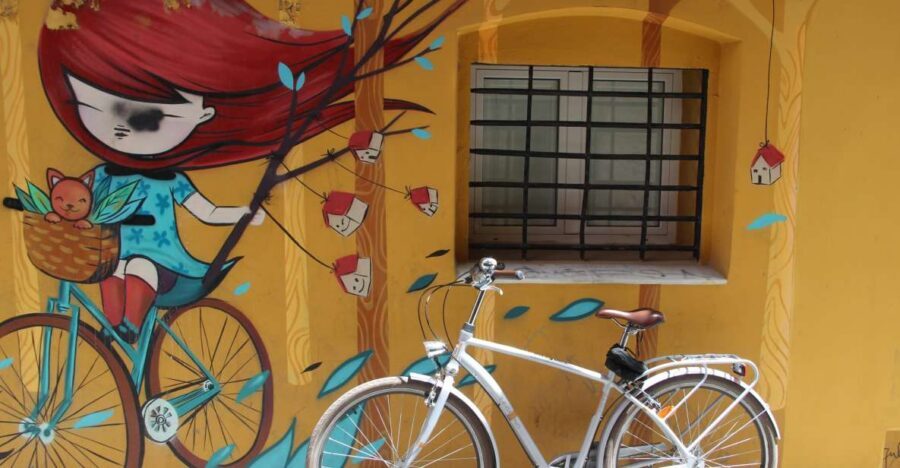
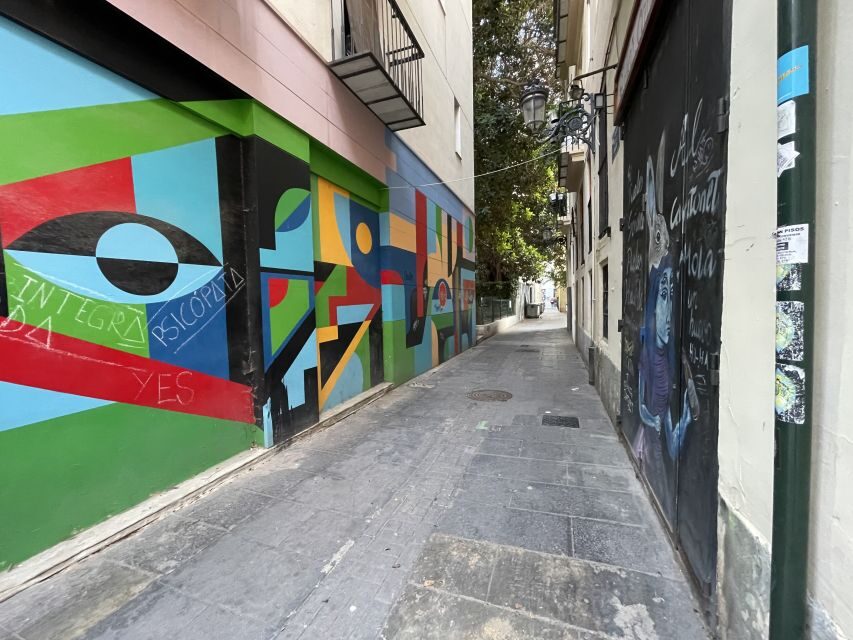
One of the best parts of this tour is that it teaches you how to look. You’ll ride past murals with big visual energy—giant walls covered in surreal creatures, bold storytelling, and strong compositions. But the tour also trains your eye for the smaller moments.
Think tiny hidden tags tucked near doorways. Details that blend into the architecture. Visual jokes that only make sense when you stop and step back, then step closer. Those micro-elements are exactly what you miss when you scroll past street art on a phone.
The stops are built for that kind of attention. You’ll have time to take photos, ask questions, and look without the pressure of racing to the next location every 90 seconds. And because the neighborhood changes, the tour experience can vary. That keeps it from feeling like a copy-paste “tour script.”
If you like street art for the process—finding meaning, hunting for details, comparing styles—that attention is what makes this tour feel worth your time.
You can also read our reviews of more tours and experiences in Valencia
How the Tour’s Pace Works Over 2 Hours
At 2 hours, this tour sits in the sweet spot. Long enough to see multiple murals and learn a theme-based narrative. Short enough that you’re not exhausted before the best walls.
You’ll also spend time soaking up the atmosphere, not just collecting images. The guide’s job isn’t only to point out what’s on the wall. It’s to explain the stories behind artists, protests, and symbols, and then help you connect it to what you’re seeing in front of you.
In reviews, guides were praised for adjusting to the group. Private tours were noted as a good way to keep things comfortable; Antonio was specifically mentioned for taking care and respect for the group in a private setting.
Another smart detail: the tour includes plenty of photo opportunities. That matters because street art is visual, and a quick glance doesn’t do it justice. If you want your photos to capture the mural and the context around it—doorways, alleys, street corners—this format gives you that time.
Bike, E-Bike, or E-Step: Choose the Right Ride for El Carmen
The tour is not for people who can’t ride a bike. That’s the main requirement. Beyond that, El Carmen’s narrow alleys mean you should choose a ride you can control confidently, especially when you’re stopping frequently.
The activity is offered on bicycle, e-bike, or e-step options. If you’re concerned about stamina, an assist option can make it easier to stay relaxed during the frequent pauses. If you’re fit and comfortable on a regular city bike, you may prefer the simpler feel and control.
Either way, treat the “challenge” as attention, not endurance. Your job is to look for the messages and details your guide brings up. You don’t want your energy spent wobbling or braking too hard just to keep up.
Also, the tour doesn’t allow alcohol or drugs. It’s clearly meant to stay focused and safe while you’re in a residential neighborhood.
Price and Value: What $29 Buys You Beyond a Photo Stop
At $29 per person for 2 hours, you’re paying for a guided interpretation, not just transportation. The tour includes a city bike and a bottle of water, which means you’re not adding rental or refreshments costs on top.
The real value is what the guide does with your attention. Street art is easy to admire and easy to misunderstand. With context—like the Great Flood of 1957 story and the meaning behind symbols—you’ll “get” more of what you see. That’s what turns it from entertainment into something closer to cultural literacy.
You’re also getting a human tour style. In reviews, guides were described as enthusiastic and good at holding attention with interactive formats. That matters when you’re paying for a short, time-boxed experience. You want every stop to count.
If you’re the type who likes art when it has a reason, not just a look, this price feels fair for what you’ll take away.
Languages and Group Style: Making It Comfortable for Your Pace
The live guide speaks multiple languages: Italian, German, English, and Spanish. That’s a big deal because the tour relies on stories, symbolism, and context. If you can fully follow the guide, the murals land harder and the neighborhood starts to make sense.
Group style also varies. There’s also a private group option. Reviews specifically highlighted that private tours can feel safer and more accommodating, with guides like Antonio taking care of the group. If you’re traveling with family, friends, or you prefer less pressure, private may be the smoother way to go.
Who Should Book (and Who Should Skip)
This tour is a great match if you want:
- street art with meaning tied to El Carmen’s history
- a bike-based way to see a compact neighborhood efficiently
- enough stops to learn, take photos, and ask questions
It’s not a match if:
- you can’t ride a bike
- you’re looking for a quiet, low-interaction walk (this is discussion-led, with guide storytelling)
- you want to ride through without ever stopping to look
If you’re visiting Valencia and want one experience that feels local and a little rebellious in the best way—art that talks back to the world—this delivers.
Should You Book This Street Art Bike Tour?
I think you should book it if you like street art that comes with stories, and you’re comfortable riding for 2 hours in a neighborhood full of interesting corners. The mix of the Great Flood of 1957 context, big-name artists like Escif, and the hunt for hidden details is exactly what makes this tour more than a quick mural hunt.
If you’re unsure, pick it based on one simple question: do you want street art to mean something to you, not just look good in photos? If yes, book. If you want a fully relaxation-only sightseeing plan, you might prefer something slower and more flexible.