REVIEW · VALENCIA
Best Street Art in Valencia Walking Tour
Book on GetYourGuide →Operated by Tasting Valencia · Bookable on GetYourGuide
Street art in Valencia looks different when you know what to see.
This tour is built around street art techniques and the real artist stories, from paste-ups to stencils and even yarn art. I especially like the way you learn to spot details fast, and how the guide connects the murals to the neighborhood you’re walking through. The main catch: it’s an active 2-hour stroll with lots of looking up and around, so comfy shoes matter.
You also get a clear route through some of Ciutat Vella’s most mural-heavy corners—then a museum moment for context—so you leave with both images and meaning. The tour runs in a small group (max 10), led by a certified guide named Maria, and that keeps the pace friendly. One thing to consider: the CCCC museum stop is skipped on Mondays, so your timing may slightly change if you visit then.
In This Review
- Key highlights to look for
- Why street art in Valencia clicks better with a guide
- Starting at Torres de Serranos: where the murals already feel “layered”
- Barrio del Carmen: the best streets for story-driven street art
- How the guide teaches paste up, stencils, and yarn art
- CCCC museum stop: street art history without the classroom vibe
- Behind the IVAM: where Escif and others create visual momentum
- Velluters finale near Plaça de la Botxa: massive murals with group energy
- Price, group size, and value for $41
- What to bring so you enjoy every stop
- Who this tour suits best
- Should you book Best Street Art in Valencia?
- FAQ
- How long is the walking tour?
- Where does the tour start and end?
- What’s included in the price?
- Is food or drink included?
- Which languages does the guide speak?
- Does the CCCC museum always get visited?
- How big is the group?
- What should I bring?
- Is there wheelchair accessibility?
- Is there a cancellation policy?
Key highlights to look for
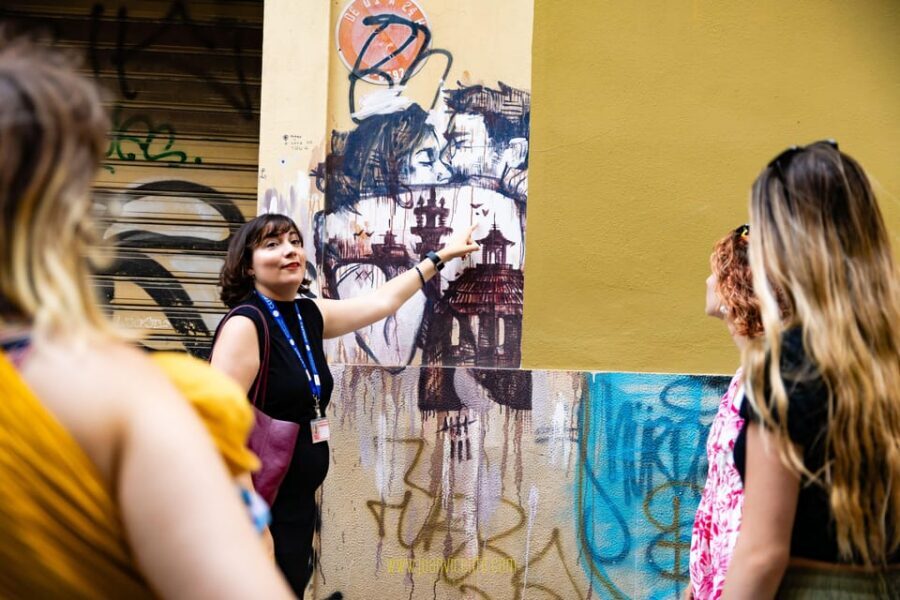
- Secret murals you won’t find on your own, especially in the tighter streets around Barrio del Carmen
- Artist technique training: paste up, stencil, and yarn art, explained as you see them
- A museum stop at CCCC (except Monday) to connect today’s walls to street art history in Valencia
- Top-name local and international artists, including Escif, Hyuro, and David de Limón
- Photo-ready murals with guidance, plus a document with artists’ IG accounts so you can keep exploring
Why street art in Valencia clicks better with a guide
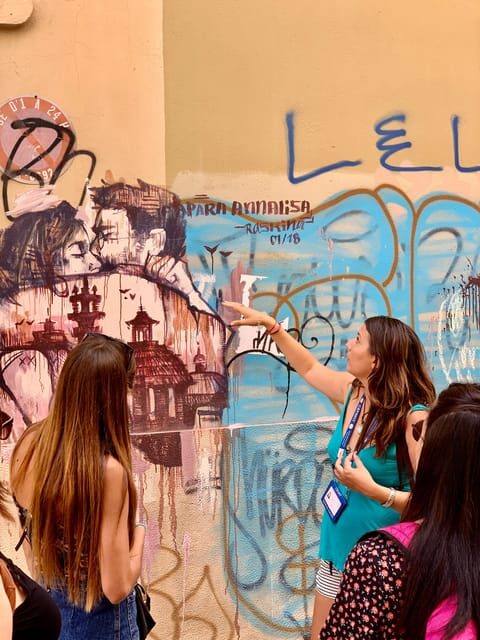
Valencia’s walls can feel like a moving gallery—until you realize most of it is hiding in plain sight. A street art specialist doesn’t just point at pretty murals. They show you how the work was made, why it was placed there, and what the artist wanted you to notice.
This tour is strong because it teaches you to read the city. You’re not only admiring art; you’re learning the tools behind it. That skill changes everything when you keep walking after the tour.
You’ll also get the names and styles that matter in Valencia. Artists you’ll run into include David de Limón, Disneylexia, Deih, Hyuro, la Nena Wapa Wapa, Julieta XLF, and Escif. Once you can recognize those signatures, the city becomes way more rewarding to explore on your own.
You can also read our reviews of more walking tours in Valencia

Starting at Torres de Serranos: where the murals already feel “layered”
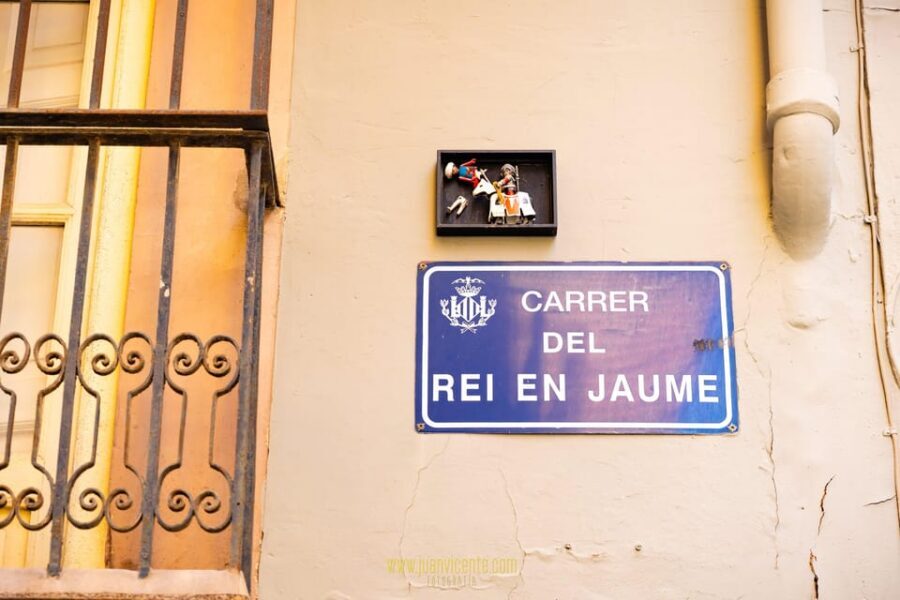
You meet on the back side of the Torres de Serranos, at the Plaza dels Furs side. It’s a smart start point because you get character immediately: this area is packed with visible murals, but also with less-obvious ones that blend into the street texture.
From the first stretch, the guide helps you look beyond the obvious. You’ll notice how walls change from one alley to the next—sometimes the difference is just a turn, but the style shifts fast. That’s part of why street art works so well here: it’s rooted in specific corners of the city.
If you want photos that look like more than a random snapshot, this is where you begin. You’ll learn how to frame murals with the right angle and distance so details don’t turn into blur.
Barrio del Carmen: the best streets for story-driven street art
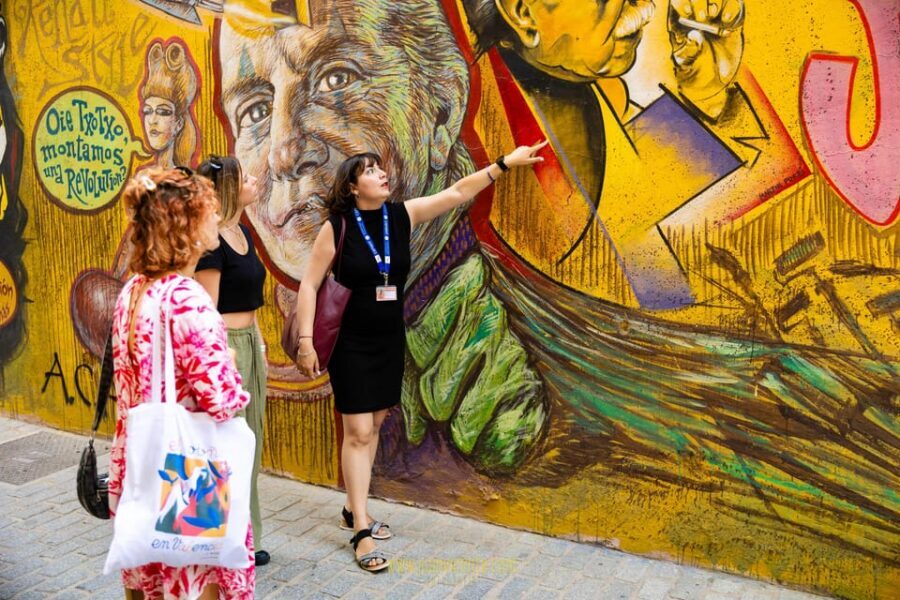
Next comes Ciutat Vella, with a focus on the Barrio del Carmen. This is where the tour becomes more than sightseeing. You’re learning the behind-the-scenes stories of the artists and the way their work connects to the neighborhood.
A big value here is that the guide doesn’t treat street art like a museum piece under glass. Street art is made to live in public. So the explanations often include social or political context, and you get a feel for why certain themes show up on Valencia walls.
You’ll also see multiple techniques, not just one style. That matters because street art in Valencia isn’t one thing. It’s collage energy, stencil sharpness, and sometimes textural work that you only understand once you’re standing close enough to see how it’s built.
How the guide teaches paste up, stencils, and yarn art
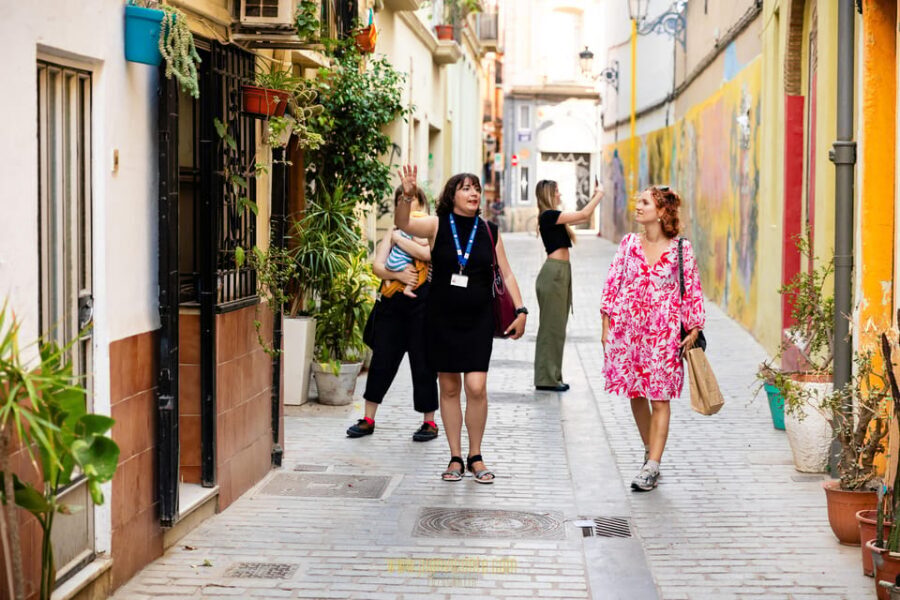
One of the most practical parts of the tour is the mini “how it’s made” training as you walk. You’ll learn about different methods you can spot in the streets:
- Paste up: layered-looking posters or cut pieces attached to walls, often with a collage feel
- Stencil: cleaner edges and repeatable shapes, with a graphic look that reads fast from the sidewalk
- Yarn art: textured, tactile work that can look surprising once you notice the material itself
Even if you’re not a street-art expert, you’ll start recognizing signatures. For example, stencils tend to hit with contrast and clarity, while paste-ups often carry a mixed-media look. Yarn art adds a physical softness that stands out in a city of painted walls.
This technique focus also helps you avoid a common problem on street art walks: you end up admiring only the biggest mural from far away. With these cues, you start catching smaller marks—letters, textures, and transitions—where the real creativity is hiding.
CCCC museum stop: street art history without the classroom vibe
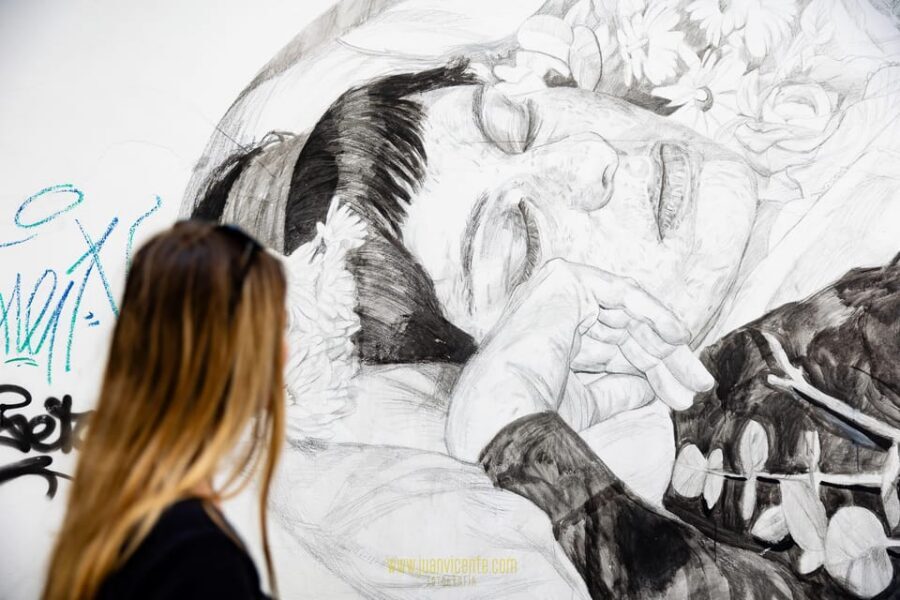
The tour includes a visit to the CCCC museum, and it’s scheduled except Monday. The point isn’t to replace the street walls. It’s to give you historical context so today’s murals make more sense.
Street art has its own timeline: how it spreads, how it changes by place, and how artists respond to the city around them. Seeing the work with that background makes the street murals feel less random and more intentional.
For many people, this is the most “explains everything” moment of the day. You stop thinking only in terms of style and start thinking in terms of movement and meaning. And since the rest of the tour is out on the streets, you can instantly connect museum ideas back to what you’re walking past.
You can also read our reviews of more tours and experiences in Valencia

Behind the IVAM: where Escif and others create visual momentum
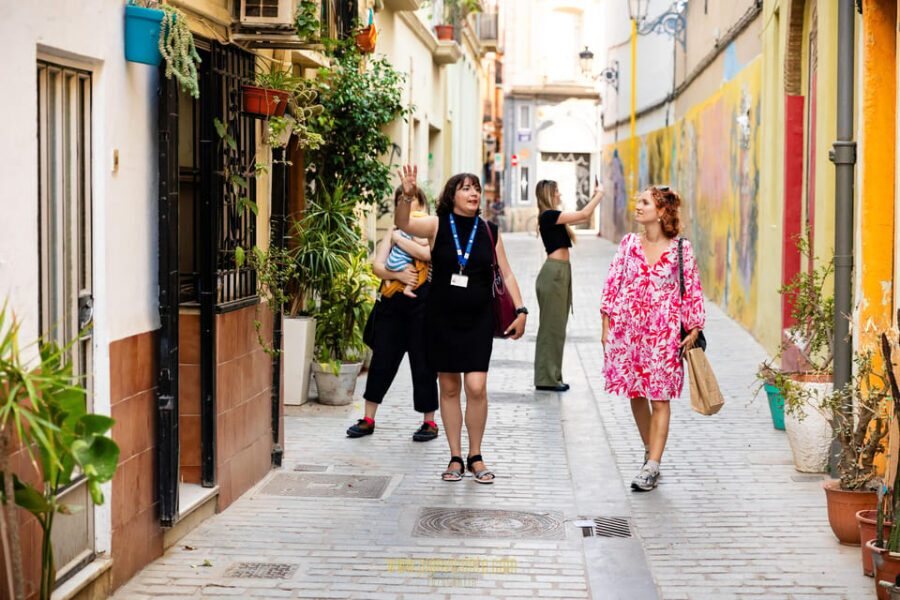
After Ciutat Vella streets, you’ll visit the area behind the IVAM. This stretch is known for impressive murals, including work by Escif, plus other artists you’ll come across along the way.
What I like about this segment is how it builds momentum. You’re not just collecting murals one by one. You’re seeing how different artists treat the same city spaces differently—scale, composition, and tone all shift as you move.
This is also one of the best parts for learning “why here.” The guide’s explanations help you understand placement: sometimes murals work as a spotlight, sometimes they act like a hidden message in a corner you’d normally rush through.
If you love photography, bring patience here. These walls reward slow steps and slight repositioning. You’ll get better shots when you stop trying to capture everything at once.
Velluters finale near Plaça de la Botxa: massive murals with group energy
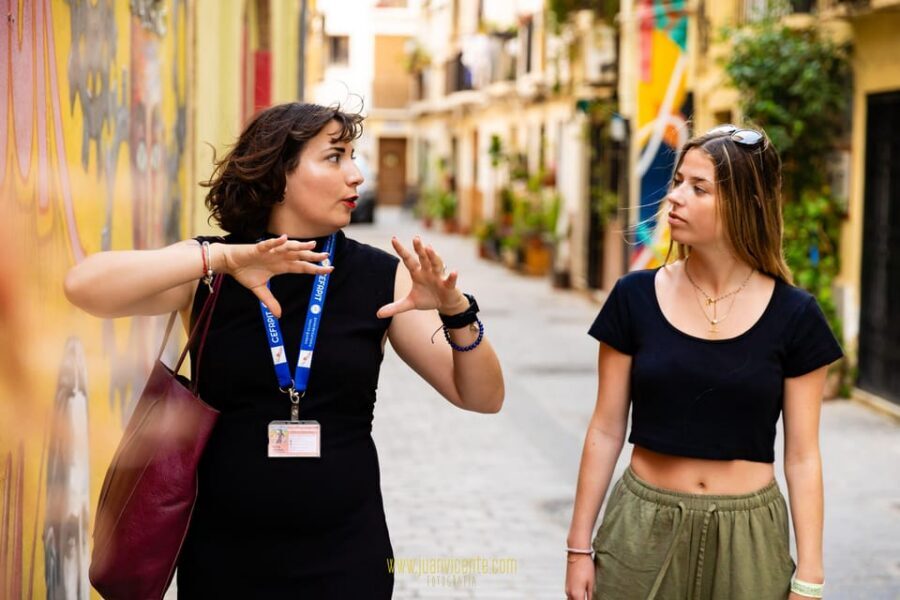
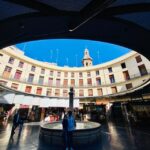
The tour finishes in Velluters, ending at Plaça de la Botxa (Ciutat Vella, 46001 València). This last neighborhood stretch is all about scale: you’ll discover massive murals made by a group of artists.
That group scale changes the feeling of the artwork. Instead of one voice dominating, you see multiple creative decisions stitched into a single public statement. It’s a good way to understand street art as community output, not only solo expression.
By the end, you’ll likely start noticing things you missed at the start—repeated motifs, technique differences, and how artists communicate with the street audience. That’s the real win. You leave with an upgraded eye.
Price, group size, and value for $41
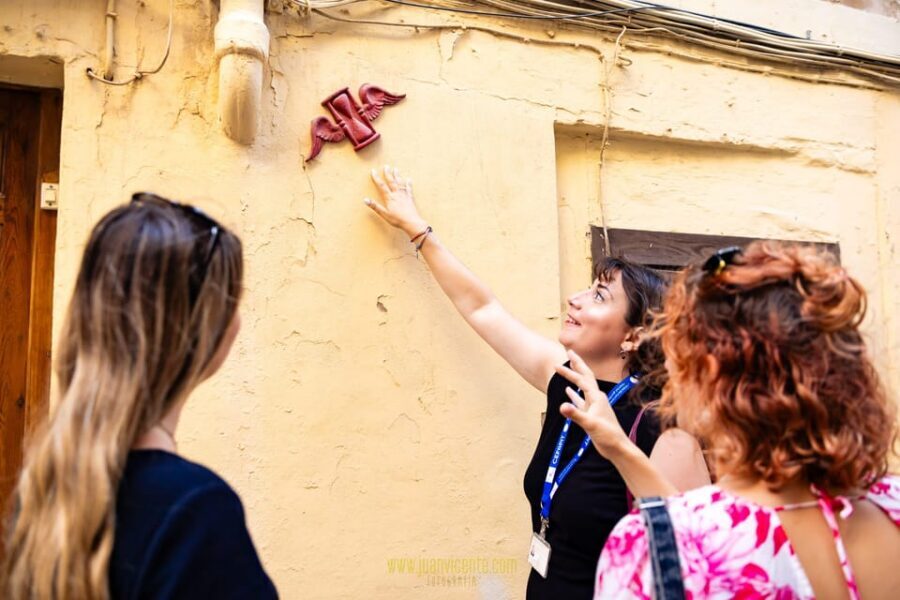
At $41 per person for a 2-hour tour, the value comes from three places: expert interpretation, technique education, and the museum stop.
First, the guide is certified, and the group stays small (limited to 10 participants). That size matters. You get more time for questions, and you’re not forced to follow a rushed pack while trying to read details on the walls.
Second, you’re not paying just for access to murals. You’re paying for the ability to recognize paste up, stencil, and yarn art on your own after this day is over.
Third, the CCCC museum visit (except Monday) adds context that most walking-only tours skip. Even if you’re not a museum person, the explanation helps tie Valencia’s street scene together.
If you want the cheapest way to see murals, you can just wander. But if you want to understand what you’re seeing—and get better photos while you’re at it—this price looks fair.
What to bring so you enjoy every stop
You’ll be walking and looking, so set yourself up for comfort:
- Comfortable shoes
- Camera (or use your smartphone camera well)
- Sunscreen
- Comfortable clothes
- Charged smartphone
A charged phone is especially helpful because the tour includes a document with the IG accounts of the artists. That’s useful for continuing your street art education after you’re back at your hotel.
Who this tour suits best
This tour is a great match if you:
- want to learn street art techniques, not just names
- love photography and want help turning murals into sharp, detailed images
- enjoy explanations with social and political context
- prefer a small group pace with time to ask questions
It may be less ideal if you dislike walking or want a slow, sit-down style experience. Still, it’s only 2 hours, so it’s manageable for many schedules.
And since it’s wheelchair accessible, you can also plan for the route with more confidence.
Should you book Best Street Art in Valencia?
If your goal is more than a quick mural photo, I’d book it. The standout strength is the combination of technique training, street-level storytelling, and the CCCC museum context. That mix turns street art from decoration into a skill—and a satisfying way to understand Valencia’s culture.
If you’re visiting Valencia for the first time and you want a shortcut to the city’s street art language, this tour gives you that head start fast. Bring your camera, wear comfy shoes, and get ready to look up—then look closer.
FAQ
How long is the walking tour?
The tour lasts 2 hours.
Where does the tour start and end?
You meet behind the Torres de Serranos, on the Plaza dels Furs side. The tour ends at Plaça de la Botxa in Ciutat Vella.
What’s included in the price?
Inclusions are a visit with a certified tour guide, a document with the IG of the artists, a visit to the CCCC, and time for great pictures at the murals.
Is food or drink included?
No. The tour does not include food or drinks, but you can buy them during the tour.
Which languages does the guide speak?
The live guide speaks Spanish, English, French, and Catalan.
Does the CCCC museum always get visited?
It’s included except on Monday.
How big is the group?
The tour is a small group limited to 10 participants.
What should I bring?
Bring comfortable shoes, a camera, sunscreen, comfortable clothes, and a charged smartphone.
Is there wheelchair accessibility?
Yes, the tour is wheelchair accessible.
Is there a cancellation policy?
Free cancellation is available up to 24 hours in advance for a full refund.