REVIEW · VALENCIA
Valencia: the best 25 spots in the city by bike!
Book on GetYourGuide →Operated by Bikes & Tours Valencia · Bookable on GetYourGuide
Valencia looks better when you move at bike speed. This guided ride stitches together Ruzafa, the Old Town UNESCO zone, and the futuristic City of Arts & Sciences, so you get two very different sides of the city without the hassle of transfers. I especially like how the tour balances major landmarks with room to breathe at stops like Plaza del Ayuntamiento and how the guides keep the architecture and city life stories clear and fun.
You’ll also enjoy the built-in practical perks: a comfortable bike, bottled water, and a children’s helmet, plus an option to upgrade to an electric bike if hills or distance feel like a stress. The main drawback to plan for is simple: it’s not for people with mobility impairments or anyone who can’t ride a bike, and weather can cause reschedules for safety.
In This Review
- Key points to know before you go
- Meeting Point in Ruzafa: how the tour starts (and why it matters)
- Plaza del Ayuntamiento: the city center at classic speed
- Palacio del Marques de Dos Aguas: Valencia’s eclectic style in one building
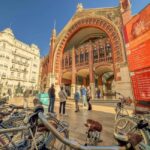
- Mercado Central: where you can taste Valencia’s food culture
- Lonja de la Seda and the Cathedral area: UNESCO walks with real context
- Torres de Serranos, Jardins del Real, and the Turia shift: from defense to leisure
- City of Arts & Sciences: Palau de la Música, Palau de les Arts, and the science-stop wow factor
- Extra guided stops along the way: why you should pay attention
- Pont de l’Assut de l’Or and photo moments: where the view payoff comes in
- Bike comfort, electric options, and what to expect in pacing
- What you’ll notice from top reviews: easy rhythm and a helpful guide
- Who this Valencia by-bike tour is best for (and who should skip it)
- Should you book this bike tour?
- FAQ
- Where does the tour start?
- How long is the Valencia bike tour?
- How much does it cost?
- What’s included in the price?
- What languages are the guides?
- Do I need to bring anything?
- Is there an electric bike option?
- Is the tour suitable for everyone?
Key points to know before you go
- Old Town UNESCO route that covers the Cathedral area and the Lonja de la Seda without wasting time
- Plaza time for photos and a short self-guided feel inside an otherwise guided tour
- Market stop that’s more than sightseeing, with a chance to sample mojama at the Mercado Central
- Turia Park on two wheels, including the big switch from medieval walls to garden-city views
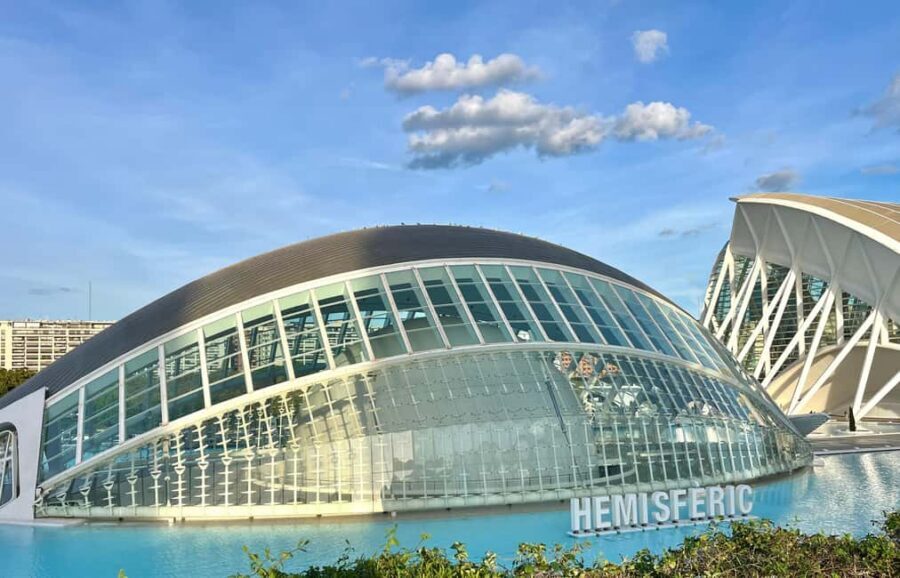
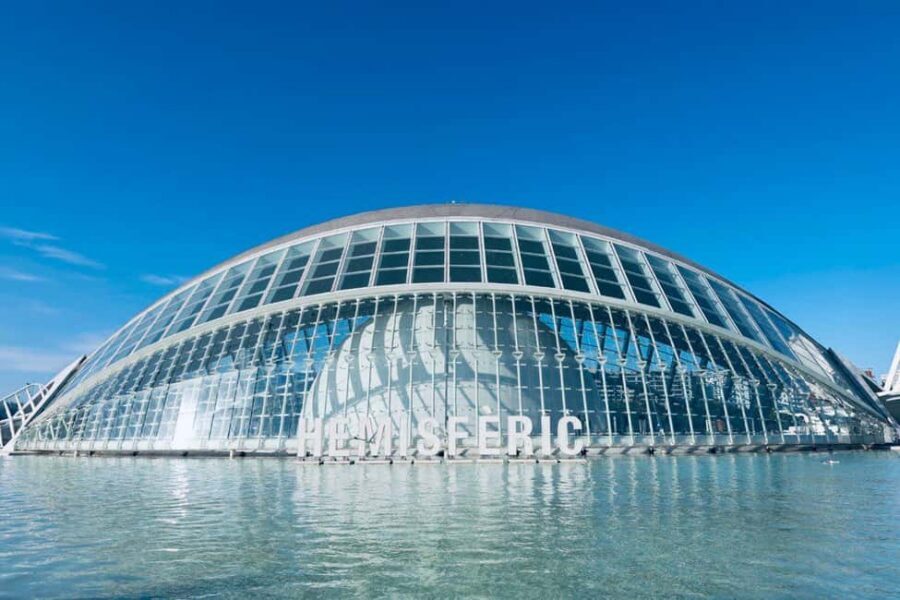
- City of Arts & Sciences highlights, from the Hemisfèric and Science Museum to Calatrava’s L’Ágora
- Electric-bike upgrade available, which can turn this into an easy ride instead of a workout
Meeting Point in Ruzafa: how the tour starts (and why it matters)
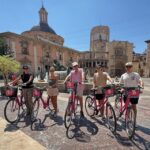
You begin at C. de Puerto Rico, 23, in Ruzafa, a part of Valencia that feels like the city’s everyday heartbeat. Starting here is smart: you’re not immediately thrown into the most crowded postcard zones. You get momentum first, then the Old Town comes next.
The bikes are meant to be comfortable, and you get a bottle of water right away. That matters more than it sounds in Valencia, where bright sun can arrive fast. Bring a sun hat and sunscreen, because shade isn’t always nearby on the route.
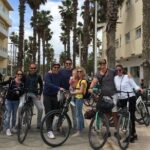
If you’re the kind of traveler who hates feeling rushed, this style of ride can feel right. The tour is paced for sightseeing, not for sprinting. You’ll still cover a lot in 2.5 hours, but you won’t feel like you’re glued to a single line of people.
You can also read our reviews of more cycling tours in Valencia
Plaza del Ayuntamiento: the city center at classic speed
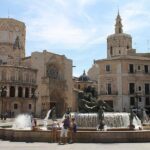
Your first big landmark stop is Plaza del Ayuntamiento, the heart of the city, framed by neo-classical style buildings. Even if you think you’ve seen city squares before, this one hits differently because it’s a true hub, not just a backdrop for photos.
Expect a mix: guided context, a photo moment, and then some free time. That blend is ideal. You get orientation from your guide, then you can linger for a drink, take photos, or just watch the square for a few minutes.
A practical note: this is also where you’ll naturally feel the crowd energy. If you want quieter photos, you’ll have a better shot during your free time rather than during the first group stop.
Palacio del Marques de Dos Aguas: Valencia’s eclectic style in one building
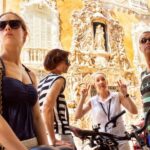
Next up is Palacio del Marques de Dos Aguas, one of those buildings you can recognize even before you know the name. It’s described as Valencia’s most eclectic building, and that’s exactly what you notice as you stand close: the style mix feels bold rather than tidy.
This is the kind of stop where a guide makes the difference. Without explanation, you might just admire the façade and keep rolling. With narration, you understand why it looks the way it does and what it signals about the city’s past.
Drawback? You’ll likely want longer than the allotted time. That’s normal with palaces: the exterior gives you a quick hit, but details reward patience. Still, you’ll get enough to appreciate it and move on while your energy is strong.
Mercado Central: where you can taste Valencia’s food culture
You’ll hit Mercado Central, the Central Market of Valencia, and it’s one of Spain’s best-known market halls for a reason. This stop isn’t just about looking. The tour points you toward local specialties, including a chance to try mojama, a cured fish product that locals take seriously.
What makes this valuable is the contrast with the palace stop. One place is about power and art on display; the other is about everyday life and food. Even if you’re not planning a full meal, it’s a chance to connect with how people actually spend time in Valencia.
The only caution: markets can mean different smells, sounds, and crowds in tight spaces. If you get overwhelmed easily, take a slow moment and pick one aisle or counter to focus on, then return to the group when needed.
Lonja de la Seda and the Cathedral area: UNESCO walks with real context
A key thread through the Old Town section is Lonja de la Seda, the Silk Exchange, a UNESCO World Heritage site. The architecture is famously tied to Valencian Gothic design, and the tour’s guide-led explanation helps you read the building like a story, not a random pile of stone.
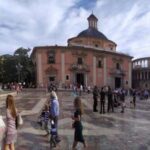
Then the route moves into the Plaza de la Virgen area and the Cathedral, including the details around the cathedral’s Latin cross plan. One standout piece of the experience here is the mention of the Holy Grail, which is the kind of topic that draws people in instantly and then makes you pay attention when the guide explains how it fits into the site.
This part of Valencia can be very photo-friendly, but it can also be slow-moving if pedestrian traffic thickens. That’s where bike pacing helps. You get to see major points without spending your whole time stuck in the foot-traffic bottleneck.
You can also read our reviews of more city tours in Valencia


Torres de Serranos, Jardins del Real, and the Turia shift: from defense to leisure
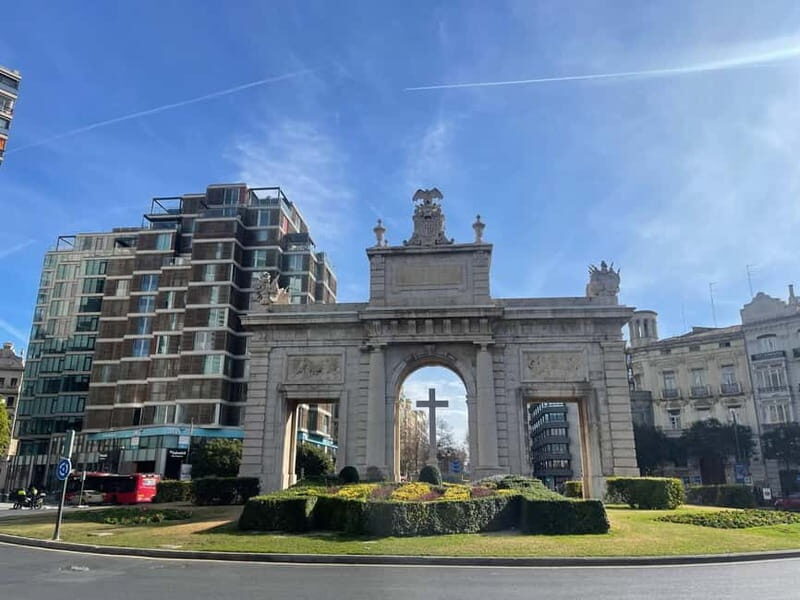
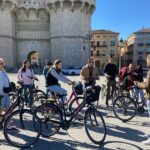
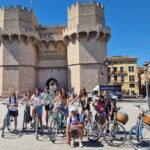
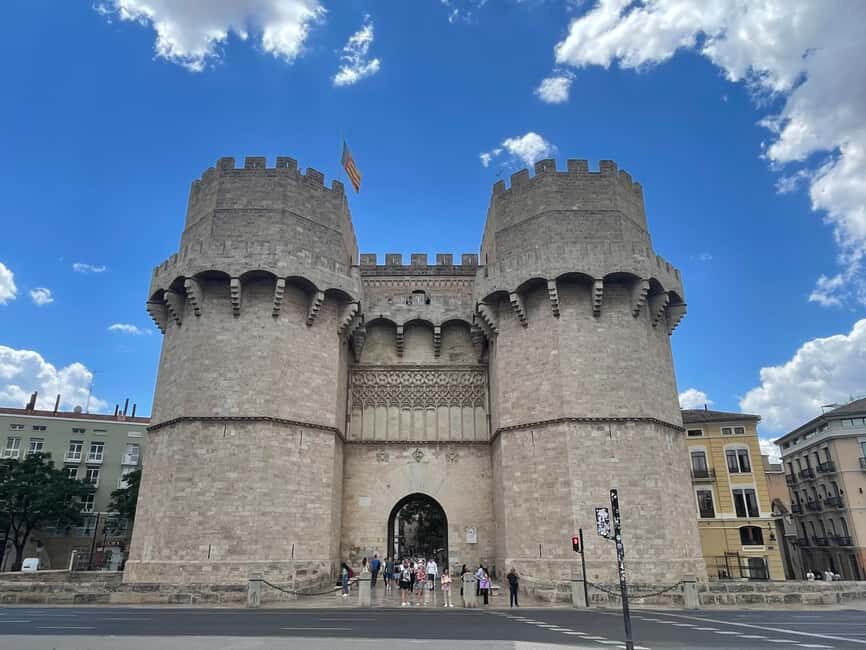
After the cathedral quarter, you’ll reach Torres de Serranos, the old main entrance to Ciutat Vella. These towers are dramatic, and the historical context changes how you see them. Instead of just thinking of a medieval landmark, you start imagining how a city defended itself and how people entered daily life from here.
The tour then flows toward the Jardins del Real / Vivers, a botanic garden area tied to the old site of the Royal Palace. This is a good swing in mood: you go from stone defense to greenery and calmer walking pace.
Then comes a big highlight: Turia Park, the long 9 km urban park built on the former route of the Turia river. Riding through it is a different kind of sightseeing. You’re not only looking at buildings; you’re experiencing a city-scale redesign that changed how Valencia lives outdoors.
Possible drawback here: if you’re riding without an electric bike, this is where your legs will start to feel it, depending on the day and your comfort level. The good news is that Turia Park’s atmosphere makes the effort feel worthwhile rather than punishing.
City of Arts & Sciences: Palau de la Música, Palau de les Arts, and the science-stop wow factor
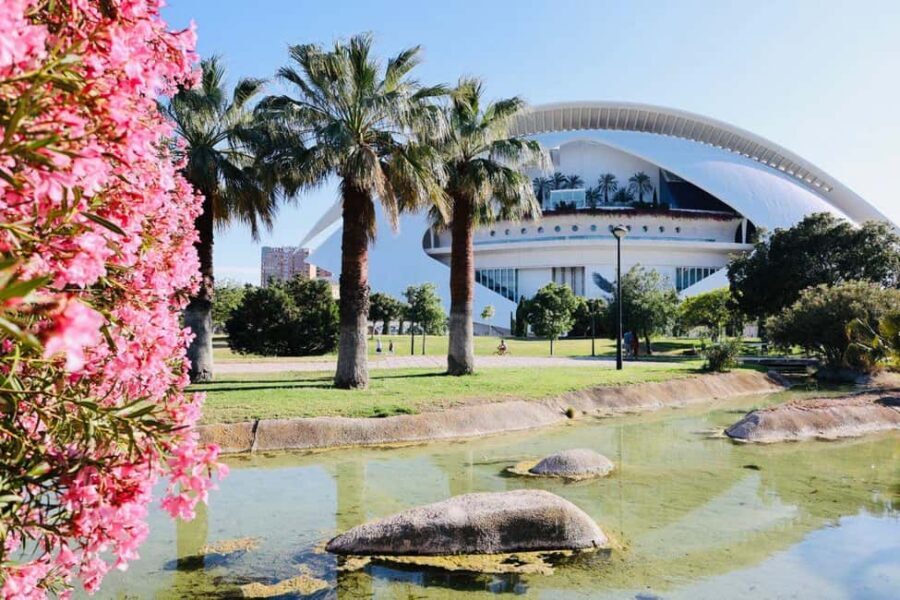
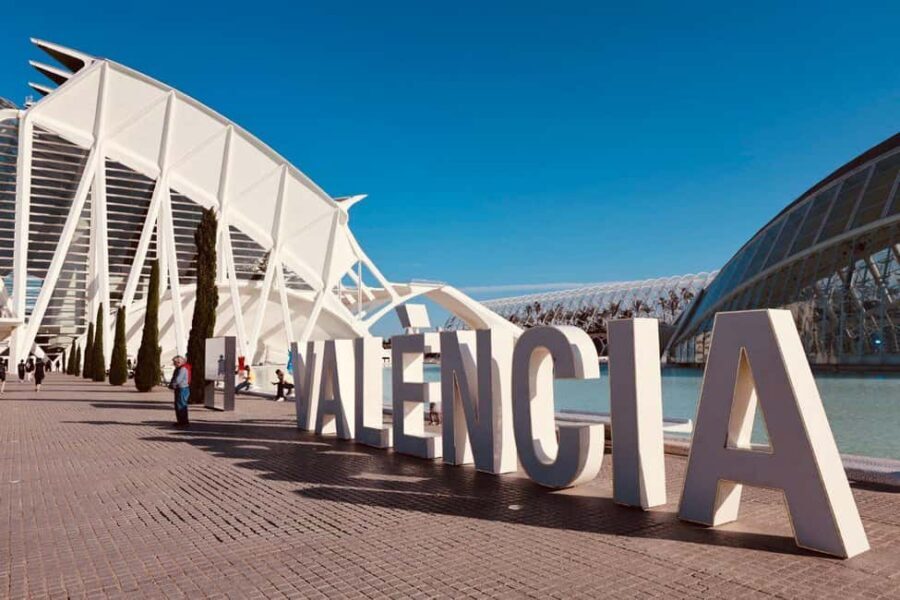
Now you switch from medieval and garden-city Valencia to the futuristic City of Arts & Sciences. This is where the tour earns its “best of both worlds” reputation.
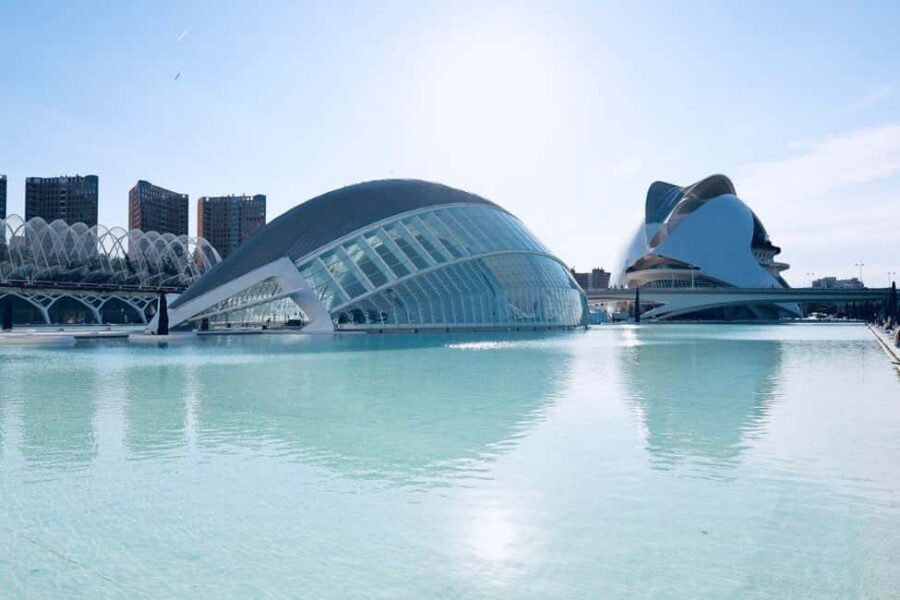
You’ll see the Palau de la Música (the Valencian Concert Hall) with its glass dome shaped like a waterfall. Then there’s the Palau de les Arts, described by its shape as a Roman helmet. These aren’t subtle buildings, and you’ll likely notice the shapes first, then the guide’s explanation helps you see why they were designed this way.
Next, the tour focuses on key landmarks like L’Ágora, designed by Santiago Calatrava. Even if you’re not a formal design fan, Calatrava’s presence shows up in the form and movement of structures, and a guide can help you connect what you’re seeing to how the space works.
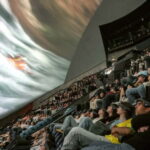
Then comes Hémisféric, described as the eye of knowledge, plus the Science Museum. The museum’s slogan, Not touching is prohibited!, is a perfect reminder that this stop isn’t about passive staring. It’s built for interaction, which can be a fun break from pure architecture watching.
If you’re trying to time your day, this is the area where you’ll want to be ready for crowds. It’s a popular zone, so during peak hours you may spend a little more time threading through people and bike lanes.
Extra guided stops along the way: why you should pay attention
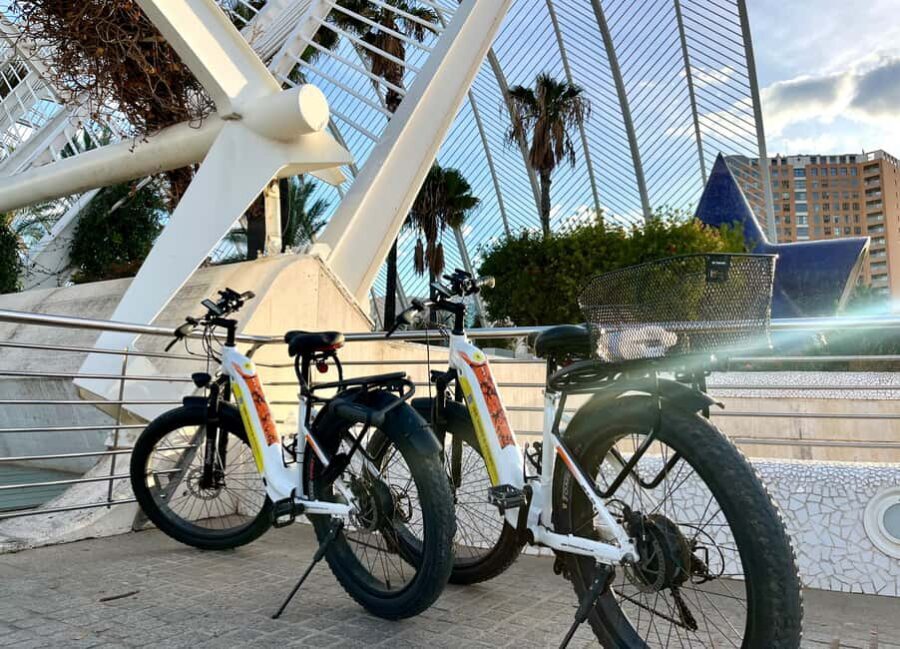
You’ll have multiple secret guided stops during the ride. The details aren’t spelled out here by name, but the pattern is clear: these are moments where your guide adds more texture than you’d get from a simple sight-seeing loop.
This is the part of the tour that often makes it feel more like a real walk with a local. Instead of just collecting landmarks, you get small context pieces—street-level Valencia logic, architectural choices, and how everyday life connects with the big sites.
If you tend to zone out during transitions, this is the time to stay mentally switched on. Those extra stops are usually where you learn something you’ll remember later, even if the main attractions are the ones you came for.
Pont de l’Assut de l’Or and photo moments: where the view payoff comes in
A strong capstone is Pont de l’Assut de l’Or, noted as the highest point in Valencia. That matters because a higher vantage point makes it easier to understand how the city is laid out: old town density, the long reach of Turia Park, and the cluster of futuristic buildings in the City of Arts & Sciences.
If you’re a photographer, this is likely one of your best moments. Even if you don’t care about skyline photos, looking out helps you connect the dots between stops, so the tour feels like a coherent story instead of separate attractions.
Bike comfort, electric options, and what to expect in pacing
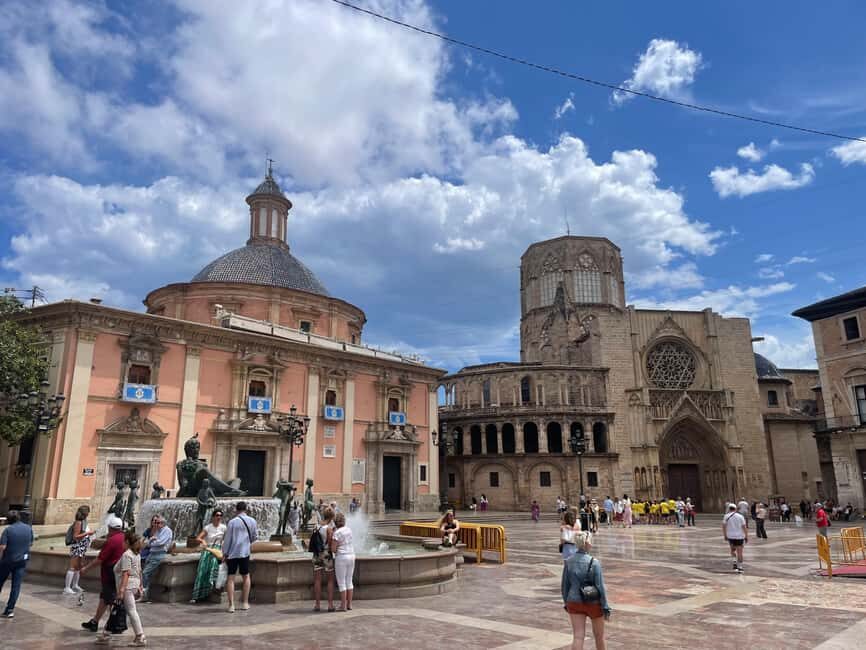
The tour includes a comfortable bike and water, which you’ll appreciate if you’re doing other walking that day. Still, this is a bike tour, so you’ll need basic cycling comfort. It’s not meant for people who can’t ride confidently, and it’s not designed for mobility impairments.
You can also upgrade to an electric bike during booking. If you’re traveling with limited stamina, if you’re visiting in hot weather, or if you just want the day to feel more relaxed, that upgrade can be a real value add. The tour length is 2.5 hours, and in a city like Valencia, fatigue can hit earlier than you’d guess.
One more practical tip: wear sunscreen even if it looks cloudy early. Your route includes outdoor portions with limited shade, and you’ll be outside long enough for sun to catch up.
What you’ll notice from top reviews: easy rhythm and a helpful guide
The highest-praise parts of this experience tend to point to two things: the ride feels manageable, and the guide makes the story stick. People like that the route is easy to follow and that instructions are clear. They also like the chance to stop for photos and not feel like you’re losing time to crowd chaos.
The other big positive is guide quality: you should expect historical facts, architecture explained in plain language, and stories that connect the landmarks to daily life in Valencia. That mix is the difference between seeing a city and actually understanding how it works.
If you’re used to tours where every second is scripted, this won’t feel like that. The inclusion of free time at key stops gives you control, which is a big deal for a short, 2.5-hour tour.
Who this Valencia by-bike tour is best for (and who should skip it)
This tour is a smart pick if you want a concentrated route that covers both the Old Town UNESCO highlights and the City of Arts & Sciences in one go. It’s also a good option for travelers who want to mix guidance with personal time—especially at major squares and scenic moments.
It’s less ideal if any of these apply:
- You can’t ride a bike confidently
- You have mobility impairments that make biking unsafe or unrealistic
- You’re over the stated limit of 264 lbs (120 kg)
- You’re expecting a relaxed walking pace only (this is still a cycling experience)
If you’re traveling with kids, the inclusion of children’s helmets is a plus. Just remember a baby seat is not included, and it costs 3€.
Should you book this bike tour?
I’d book it if you want the “best 25 spots” style overview of Valencia without spending your whole day jumping between neighborhoods. For $33 per person, you’re paying for guidance plus a bike, water, and the ability to cover a lot in 2.5 hours. In practice, that can be better value than paying for multiple separate activities and then dealing with logistics.
Skip it if biking is a no-go for you, or if you’re traveling on a day when rain is likely. The tour may be rescheduled or canceled for safety in bad weather, and you don’t want a short trip to get derailed.
If you’re comfortable on a bike and you like seeing big sights with context, this is one of those tours that helps your first day in Valencia feel organized and memorable.
FAQ
Where does the tour start?
The tour starts at C. de Puerto Rico, 23.
How long is the Valencia bike tour?
The duration is 2.5 hours.
How much does it cost?
The price is $33 per person.
What’s included in the price?
It includes a guided tour, a comfortable bike, bottle of water, and children’s helmet.
What languages are the guides?
The live tour guide offers German and English.
Do I need to bring anything?
You should bring a sun hat and sunscreen.
Is there an electric bike option?
Yes. You can upgrade to an electric bike by choosing the electric bike add-on during booking.
Is the tour suitable for everyone?
It’s not suitable for people with mobility impairments or for anyone who can’t ride a bike. There’s also a limit of 264 lbs (120 kg).