REVIEW · VALENCIA
Valencia: Walking Tour of the Medieval City Center
Book on GetYourGuide →Operated by Segway Trip Valencia · Bookable on GetYourGuide
One gate opens, and suddenly Valencia’s past makes sense. This 2-hour walking tour threads you through the medieval city center with funny stories and architecture you can actually see up close. I love the way it links the major landmarks in a logical loop, and I also like that the guide’s storytelling makes the buildings feel personal instead of like school slides.
One thing to consider: the pace can feel brisk. On at least one booking, there were fewer stops and a longer time spent walking, so if you want frequent photo breaks, you may need to ask.
In This Review
- Key Highlights You’ll Remember
- Why This 2-Hour Medieval Valencia Loop Feels Worth It
- Starting at Calle Náquera: How to Set Yourself Up for a Good Walk
- Plaza de la Virgen: The Square That Frames the Entire Story
- Torres de Serranos: A City Gate Built to Impress and Defend
- Palacio de la Generalitat: Where Valencia’s Government Sits in a Historic Wrapper
- La Lonja de la Seda: Silk, Trade, and Stone-Loud Status
- The Cathedral Area: A 13th-Century Core With Many Architectural Lives
- The Guide Experience: Storytelling That Actually Changes What You See
- Price and Value: Is $35 a Smart Use of Time?
- Who This Walking Tour Fits Best
- Should You Book This Medieval City Center Tour?
- FAQ
- How long is the walking tour?
- What is the price per person?
- What’s included in the ticket?
- Are entrance tickets to monuments included?
- What languages are available for the live guide?
- Is the tour suitable for children and wheelchair users?
Key Highlights You’ll Remember
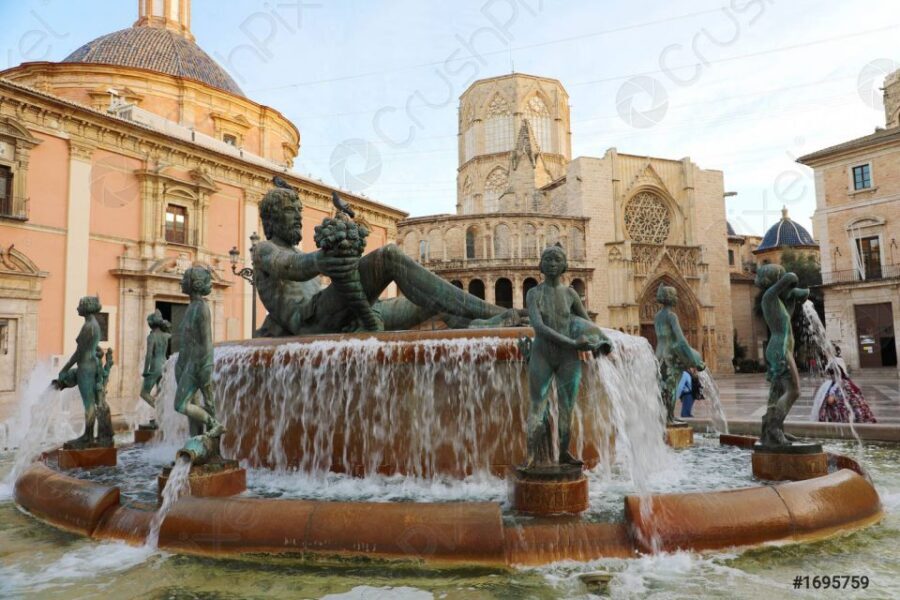
- Plaza de la Virgen as the center of the old-city vibe and the start of the story
- Torres de Serranos city gate, a real “why did they build it like that?” moment
- Palacio de la Generalitat and how Valencia’s government lives inside historic power
- Historic Silk Exchange (La Lonja de la Seda), where trade shows up as design
- The Cathedral area with Romanesque to Neo-Classical features plus a Moor-era twist
Why This 2-Hour Medieval Valencia Loop Feels Worth It
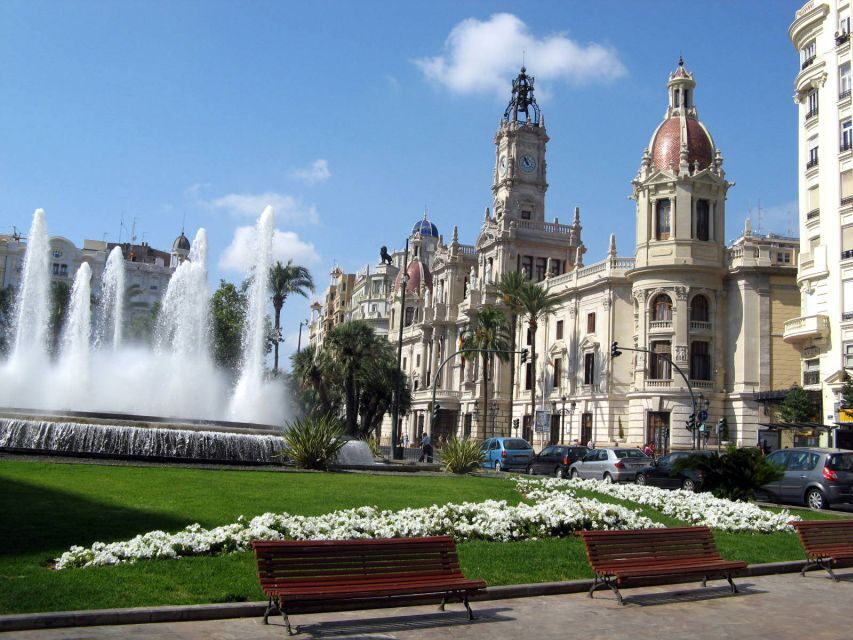
Valencia is a “walk to understand it” city. This tour works because it doesn’t try to cover everything. Instead, you hit a handful of the biggest, most readable sites, then the guide stitches the timeline together so you stop thinking in dates and start thinking in cause-and-effect.
At $35 per person, it’s not a bargain price, but it is a fair one for what you get: a live guide for two hours focused on the core monuments you’d otherwise bounce between on your own. And because it’s a walking route, you’re spending your time looking at stone, street layouts, and facades, not staring at a map.
If you’re the type who likes history, you’ll probably enjoy this. If you’re not, you can still have a good time, because the route leans on curiosities, surprising details, and the “why” behind each place.
You can also read our reviews of more walking tours in Valencia


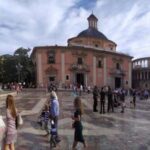
Starting at Calle Náquera: How to Set Yourself Up for a Good Walk
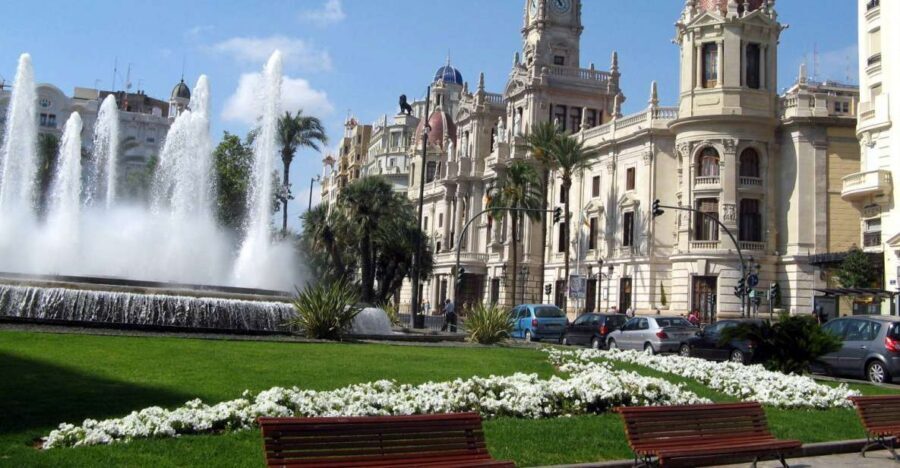
Meet at Calle Náquera, 6 in Valencia. That location puts you in the historic-city orbit, so you’re not commuting across town just to begin. The tour is described as wheelchair accessible, but the info also notes it may not suit people with mobility impairments, so if you have specific needs, it’s worth checking directly with the operator before you go.
Wear comfortable shoes. This is a two-hour walking experience, and even if the group moves at a normal pace, old streets and uneven sidewalks can add up. I’d also bring a small bottle of water, especially if you’re visiting in warm months.
Finally, go in with one mindset: you’re not just passing buildings. You’re collecting clues. When the guide points out architectural features or explains a past role, take a second and look again at what you see. That habit turns a quick stop into something you’ll remember later.
Plaza de la Virgen: The Square That Frames the Entire Story
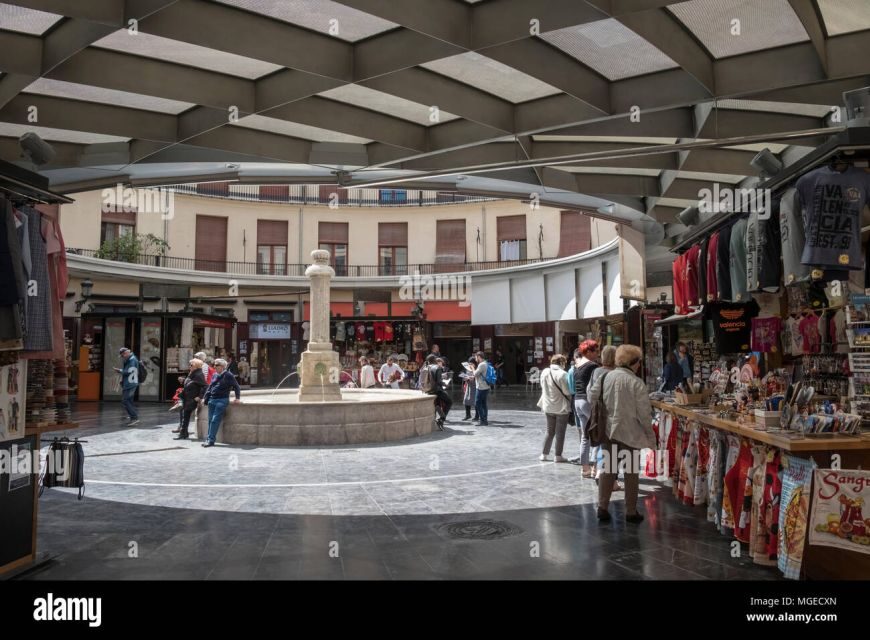
The tour starts with one of Valencia’s signature squares: Plaza de la Virgen. Even if you’ve seen photos of it, being there in person helps you understand the geography. It’s the kind of place where streets funnel into a public stage, and it makes sense that major chapters of city life played out nearby.
This is a smart first stop because it gives you a baseline. From here, the guide can connect what you see now with what came before, rather than starting immediately at a single monument with no context. You get the feeling of being oriented, like someone is handing you the city’s outline before filling it in with details.
Look around with a practical eye: notice how the square anchors nearby landmarks. Then when the guide starts explaining the medieval layers, you’ll have an easier time picturing how the area functioned long ago.
Torres de Serranos: A City Gate Built to Impress and Defend
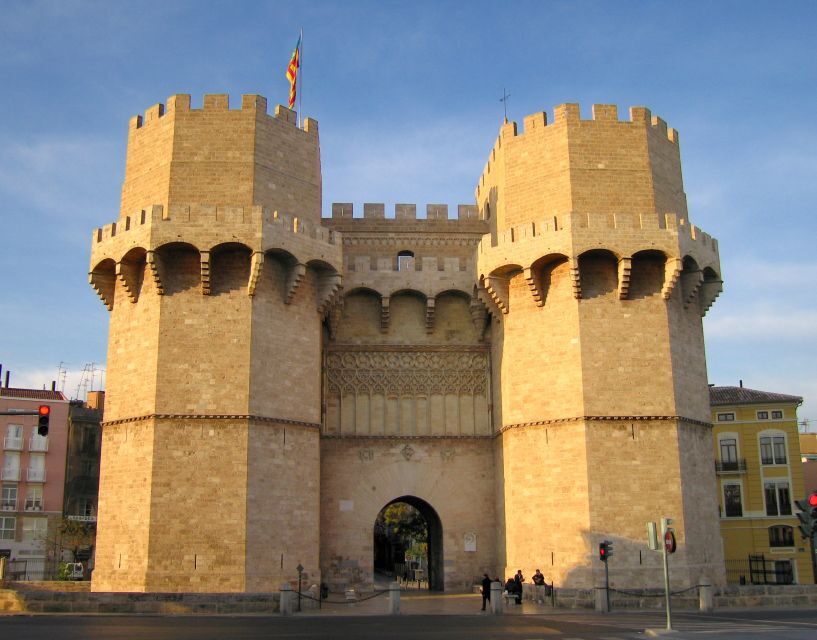
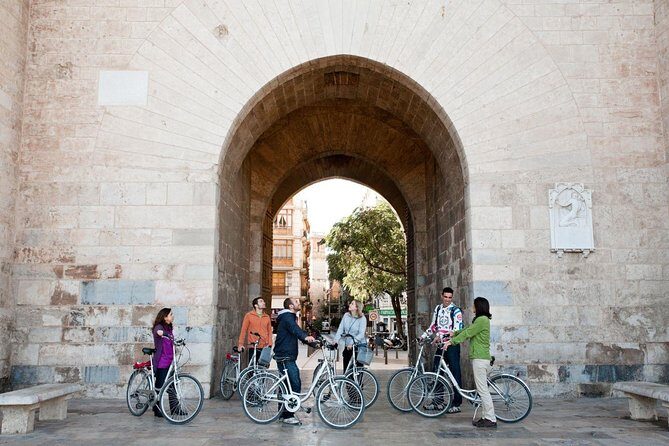
Next up is the monumental Torres de Serranos, the 14th-century gate that still dominates the old-city skyline. City gates are more than decorative arches. They’re statements about power, control, and how a city managed risk at its boundaries.
I like this stop because it’s visually strong. The towers read like fortifications, but the guide’s stories help you understand the human angle too: who would approach here, what would happen when they arrived, and why this gateway mattered in the daily flow of medieval life. Even if you’re not a fortress fan, you’ll probably appreciate how the gate shaped movement through Valencia.
One practical tip: if you plan to take photos, do it with your feet planted and your camera ready early. Around big landmarks, the group can keep moving, so you’ll get the best shots if you’re prepared rather than scrambling while walking.
Palacio de la Generalitat: Where Valencia’s Government Sits in a Historic Wrapper
Then you’ll see Palacio de la Generalitat, a 15th-century building that houses Valencia’s government. This is a great contrast stop. You’re not only learning about medieval power as a past topic; you’re seeing how civic authority continues in a building with older roots.
What makes this stop interesting is how it changes the meaning of the architecture. A palace can sound purely ornamental in other contexts, but here it’s tied to real administration. The guide helps you connect the building’s role in the medieval era to the way Valencia organizes itself now.
If you like places where old and new share the same address, this is the part you’ll enjoy most. It turns the tour from a museum-style walk into something with a present-day heartbeat.
You can also read our reviews of more city tours in Valencia
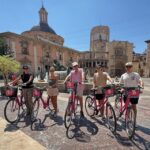





La Lonja de la Seda: Silk, Trade, and Stone-Loud Status
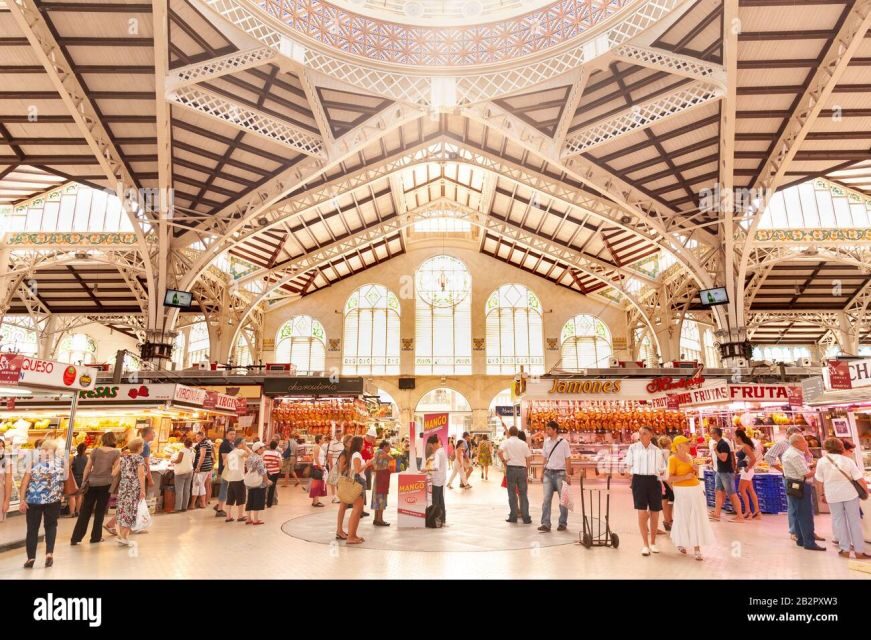
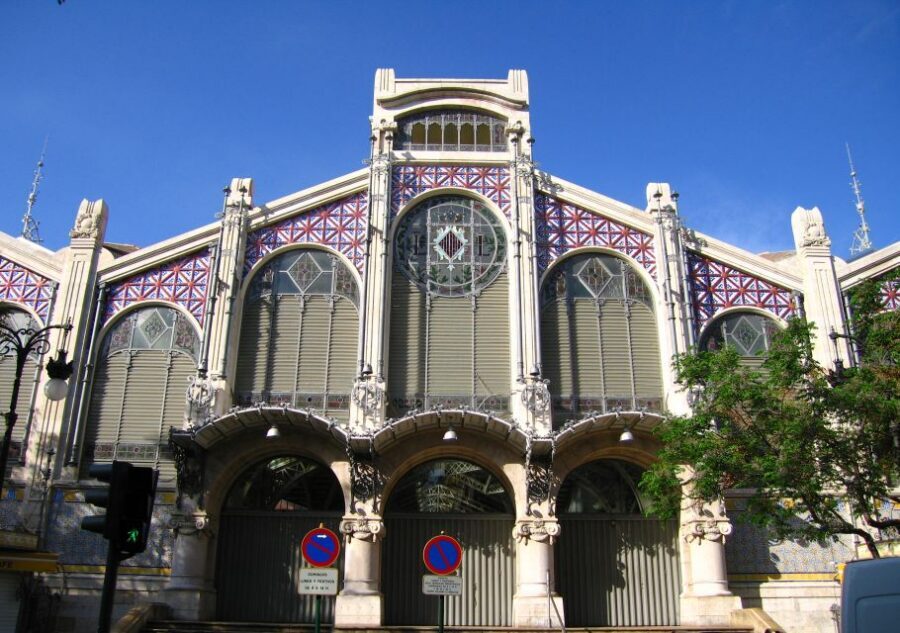
The tour includes a stop for the historic Silk Exchange, known as the Silk Exchange or La Lonja de la Seda. The term exchange might sound dry, but the building isn’t. It’s architecture designed to support business, attract confidence, and show that Valencia mattered in trade.
This is where the medieval story expands beyond battles and gates. You start to see that cities survive because of economics, not just armies. The guide’s explanations help you understand the building as a working space with political and social weight, not just a pretty monument.
Even from the outside, you can often spot the logic in how the site is arranged. Try to look for “signals” of function: how space would move people, how ceremonies or meetings might have played out, and why such a building would be built to last.
If you want a short takeaway from the whole tour, this is a good candidate: in Valencia, medieval power wasn’t only about control. It was also about commerce.
The Cathedral Area: A 13th-Century Core With Many Architectural Lives
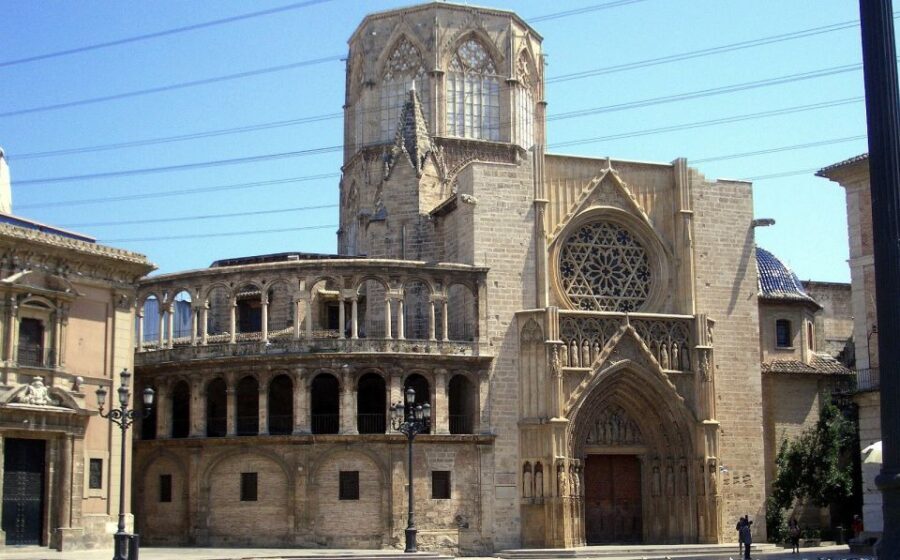
The biggest anchor on the route is the Metropolitan Cathedral area. The tour describes the cathedral as 13th century, then points out the layers of style—Romanesque, French Gothic, Renaissance, Baroque, and Neo-Classical elements. That’s a lot of timelines in one place, and it can feel confusing if you see it as separate styles. The guide helps you treat it as one evolving story.
One of the most compelling parts is the Moor-era note. The cathedral served as a mosque during the reign of the Moors. That detail gives the building an extra dimension: it’s not just a religious monument in a single chapter. It’s a site that changed roles as Valencia changed hands and identities.
When you’re standing near it, don’t rush. Look for transitions in design. Even if you can’t name every style, you can notice shifts in shape, decoration, and overall feel. The guide’s explanations help those shifts click into place.
Also, remember that entrance tickets to monuments are not included. So if your goal is to go inside for a longer look, plan to spend extra time on your own afterward. The tour gives you the big-picture orientation and the main exterior wow factor, then leaves room for optional deeper visits.
The Guide Experience: Storytelling That Actually Changes What You See
A walking tour lives or dies with the guide, and here the quality seems consistently high. One guide you may hear about is Jorge, described as great and Valencia-born. That kind of local perspective matters because it turns facts into stories with texture.
The tour is live with a guide in Spanish and English, and it’s built around amusement and curiosities rather than a lecture. In one case, a booking noted the guide spoke softly, with limited stopping, and the pacing felt long. That’s the main caution flag I’d keep in mind. If you’re hoping for lots of extended pauses, clarify what you want from the guide early on, and don’t be shy about requesting a moment for photos.
If you’re someone who likes asking one or two questions, this is a good format. You’ll cover multiple eras in a short window, so any question about symbolism, why a building was placed where it was, or what a feature meant tends to pay off fast.
Price and Value: Is $35 a Smart Use of Time?
Let’s talk money plainly. At $35 per person for a 2-hour walking tour, you’re paying for three things: an organized route, a live guide, and interpretation of the monuments. You’re not paying for entrance tickets, so the value is strongest if your goal is understanding rather than doing deep ticket-based sightseeing.
I see it as solid value when you have limited time in Valencia’s old center. If you only have a day or half-day, you’ll get oriented fast. If you’ve already visited a few major sights and want your second round to feel more meaningful, this can also be worth it because the guide will connect buildings in a way you might not naturally do yourself.
Where you might hesitate is if you prefer slow sightseeing with long indoor time. Since the tour is focused on key exteriors and guided storytelling, you could finish the two hours ready to do more on your own. That’s not a problem, but it means the tour is best seen as a foundation, not the full Valencia experience.
Who This Walking Tour Fits Best
This is a good match for people who like seeing the “how” behind famous landmarks. If you enjoy architecture and city stories, you’ll likely feel satisfied after two hours because you’ll understand why each place mattered.
It’s also listed as suitable for adults and children, and the guide can adapt. If you’re traveling with kids, you’ll probably appreciate that the tour focuses on curiosities and legends rather than dry explanations.
If you have mobility limitations, pay extra attention. The information includes wheelchair accessibility, but it also says it’s not suitable for people with mobility impairments. That contradiction is exactly why I’d recommend checking before you book, so you don’t end up uncomfortable during the walk.
And if your idea of a great tour is total flexibility to wander off for long breaks, you might find this one more structured than you want. The route is short, and it expects you to keep moving.
Should You Book This Medieval City Center Tour?
I’d book it if you want a guided “orientation plus meaning” visit to Valencia’s medieval core. It’s the kind of tour that can make later independent sightseeing easier because you’ll remember the storyline: gates and civic power, trade and public spaces, and a cathedral that reflects centuries of change.
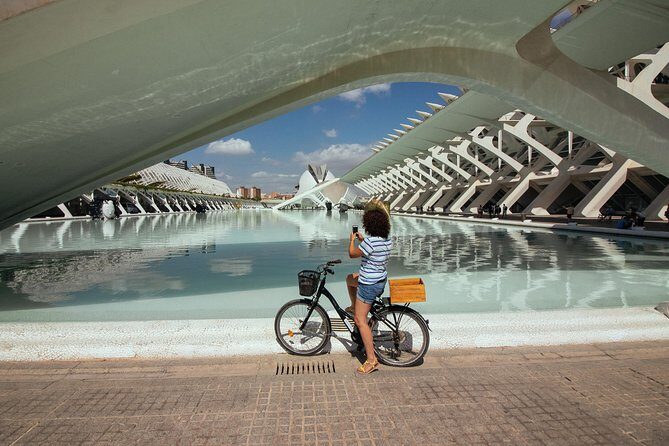
I would double-check expectations if you’re hoping for a purely indoor, ticket-heavy day. Also, be aware there can be surprises with what’s actually offered in the moment. One booking described an experience that went beyond the historic center and included biking to the City of Arts and Sciences, so it’s smart to confirm the exact format when you reserve.
If you’re short on time and want your first encounter with Valencia’s old center to feel organized and fun, this is a strong choice. Bring good walking shoes, listen closely for the reason behind the features, and you’ll leave with more than photos.
FAQ
How long is the walking tour?
The tour lasts 2 hours.
What is the price per person?
The price is $35 per person.
What’s included in the ticket?
The walking tour and a live guide are included.
Are entrance tickets to monuments included?
No. Entrance tickets to monuments are not included.
What languages are available for the live guide?
The live guide is available in Spanish and English.
Is the tour suitable for children and wheelchair users?
The tour is suitable for adults and children and can be adapted. It’s listed as wheelchair accessible, but it also says it’s not suitable for people with mobility impairments, so if that applies to you, confirm with the provider first.