REVIEW · VALENCIA
City of Arts & Sciences Tour on Bicycle, E-Bike or E-Step
Book on GetYourGuide →Operated by Pelican Bike · Bookable on GetYourGuide
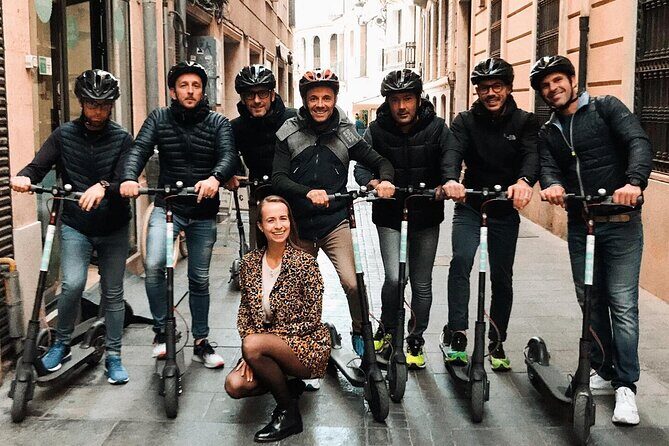
Valencia clicks into focus on two wheels. This guided bike, e-bike, or e-step tour is a smooth way to connect Valencia’s old walls with Santiago Calatrava’s futuristic City of Arts and Sciences. I especially like how the route is paced so you can see a lot without feeling rushed.
I love the long stretch through Turia Park, Valencia’s former riverbed turned green lifeline. You’ll also hit classic photo stops like Gulliver Park, plus major City buildings along the way, with views that are the point. One thing to plan for: entrance tickets to museums and attractions are not included, so your experience may focus more on outside views and timed stops unless you add tickets separately.
In This Review
- Key highlights you’ll care about
- Serranos Gates to Turia Park: start where Valencia turns from old to new
- Turia Park on two wheels: a real pace and a real view
- Music Palace stop: a culture moment without the full commitment
- Gulliver Park: playful energy for all ages
- Arriving at the City of Arts and Sciences: when scale hits you fast
- What you’ll see at the complex: the six buildings, explained simply
- L’Oceanogràfic: aquarium size you can’t ignore
- L’Hemisfèric theatre: digital projections in a signature shape
- Príncipe Felipe Science Museum: hands-on leaning toward experiments
- Palace of the Arts Reina Sofia: opera and big performances
- Umbracle pavilion: the calm green break around the complex
- Ágora: concerts and sports events space
- Guides and group style: where the quality really shows
- Price and value: $23 for a guided ride that actually reduces effort
- Timing, meeting point, and what to bring (so the tour feels easy)
- Who this tour suits best (and who should skip it)
- Should you book this City of Arts & Sciences bicycle or e-bike tour?
- FAQ
- What does the tour cost?
- How long is the tour?
- Where does the tour start?
- What’s included in the price?
- Are entrance tickets included?
- What languages are the live guides available in?
- Is this tour private?
- What do I need to bring?
- Is it suitable for people with mobility impairments or non-riders?
Key highlights you’ll care about
- Serranos Gates start: history right away, before you roll downhill into the park
- Ride the Turia Park backbone: miles of traffic-free paths with room to breathe
- Quick stops that break up the ride: Music Palace and Gulliver Park keep it interesting
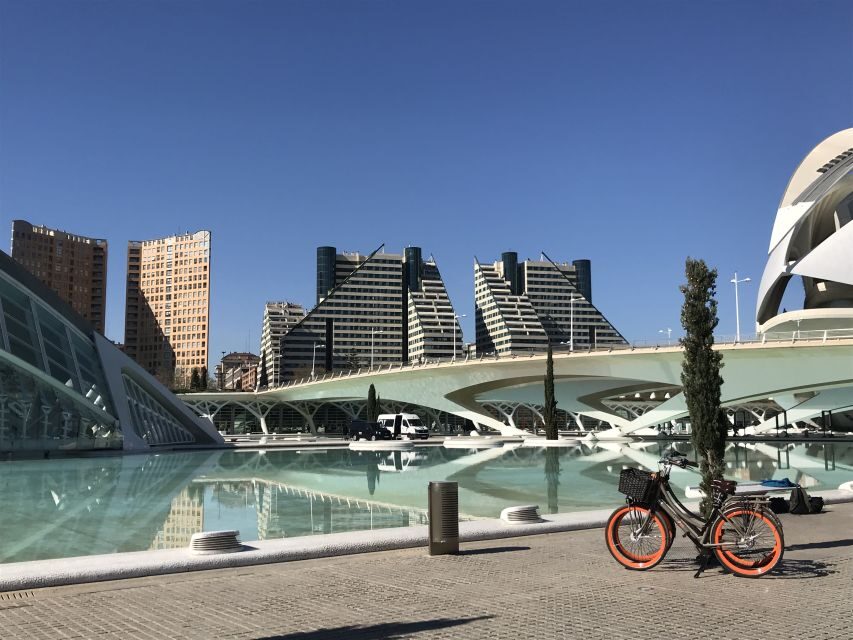
- Calatrava architecture on your bike: you get the scale and angles fast from ground level
- Big-name science and culture landmarks: Oceanogràfic, Hemisfèric, science museum, opera, Umbracle, and Ágora from the outside
- Private group available: great if you want more question time or a calmer pace
Serranos Gates to Turia Park: start where Valencia turns from old to new
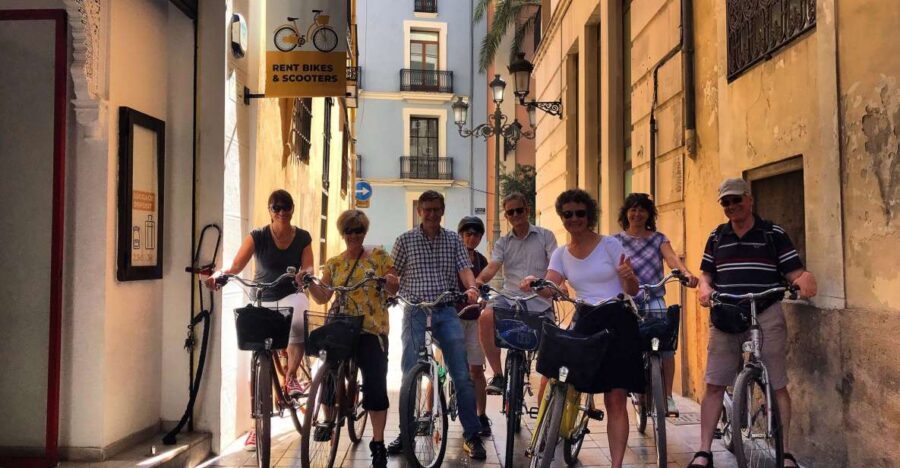
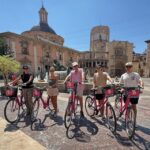
The tour begins at the Serranos Gates, one of Valencia’s ancient gothic gatehouses that once helped defend the city walls. Before you even pick up speed, your guide explains what you’re looking at and why these gates mattered to Valencia’s early defenses. It’s a great warm-up because it gives you context for the whole afternoon: you’re not just riding to landmarks, you’re moving between eras.
Then you move down toward the Turia Park, often described as Valencia’s lungs. This used to be the Turia River corridor, cut through the city for centuries, then transformed into a long urban park. By bike, it’s one of the most practical ways to cover distance without tiring yourself out. It also changes the mood fast—one minute you’re near city streets and stone, the next you’re gliding along wide paths with more shade and breathing room.
A good bike tour here also helps you arrive ready. Instead of wandering the park randomly and losing time, you’ll know where the big sights sit relative to your route. That matters, because Turia Park is long, and Valencia can be hot in the daytime.
You can also read our reviews of more cycling tours in Valencia

Turia Park on two wheels: a real pace and a real view
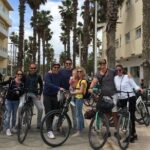
The heart of the experience is riding through Turia Park at your own comfort level. The park stretches over nine kilometers and offers lots of spots to pause, watch, and re-orient yourself. Your guide keeps things moving, but you’re not forced into a sprint. That balance is key. If you like photos, you’ll get chances. If you prefer just cruising, you’ll still get the big story.
What you’re really buying with this part of the tour is efficiency plus ease:
- You cover a long park section without having to navigate it line by line.
- You get a guided explanation, but you still control the speed with your own effort (and on an e-bike or e-step, the effort stays reasonable).
- You pass sports areas, play zones, and calmer corners where you can cool off.
A small consideration: this is not a stroller-and-wheelchair tour. You need to be able to ride your bike safely, and it’s not designed for mobility impairments. If that’s you, you’ll be happier with a driving or walking-focused option instead.
Music Palace stop: a culture moment without the full commitment
Before you reach the main headliners of the City of Arts and Sciences, you stop near the Music Palace of Valencia inside the Turia Park area. This is a major cultural building and one of the most emblematic constructions here. If you’re into classical music, your guide’s tip is simple and useful: you can book concert tickets in advance.
Even if you’re not planning a concert, this stop gives you a tonal bridge. Turia Park is green and everyday-life friendly. Then the buildings nearby start feeling more ceremonial and performance-focused. It’s a good mental shift before you hit the science-and-culture spectacle of Calatrava’s complex.
Also, it’s a practical break. If you’re riding in warmer weather, a short stop lets you reset before the longer stretch ahead.
Gulliver Park: playful energy for all ages
One of my favorite ideas in this tour plan is how it includes Gulliver Park, the giant-themed playground. Yes, it’s designed with kids in mind, but the scale and fun factor make it tempting for adults too. You can practically feel how this would make a family day less predictable and more memorable.
The tour approach here is smart: instead of treating it like a quick photo-and-go, you get a moment to actually notice what makes it different. Giant slides and the Lilliputians vibe make the area feel like a real-world storybook set. And because it’s along the way, you’re not losing tour time trying to fit it in later.
If you’re traveling with teens or you just like quirky stops, Gulliver Park is a solid payoff.
Arriving at the City of Arts and Sciences: when scale hits you fast
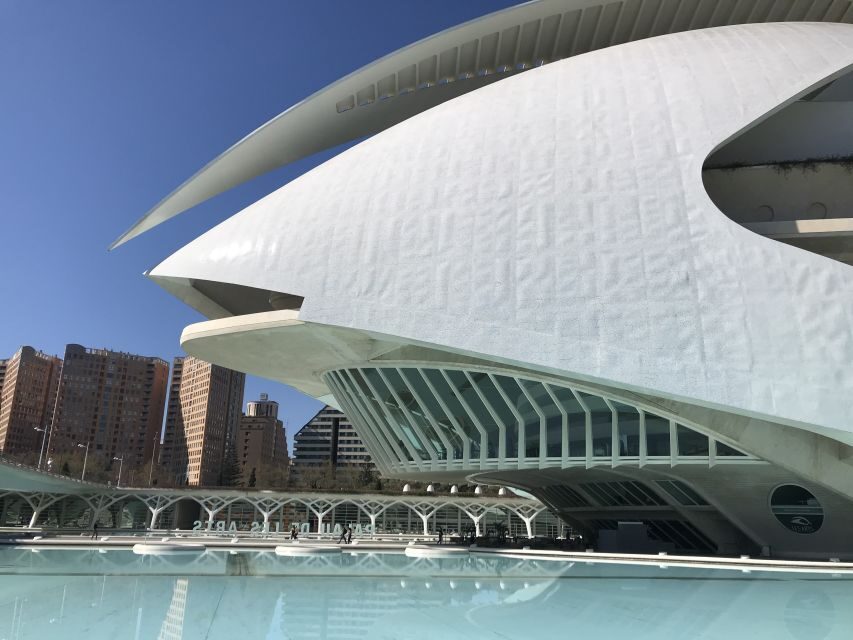
The main destination is the City of Arts and Sciences, Santiago Calatrava’s famous futuristic complex. The best part of getting there by bike is perspective. You approach it from Turia Garden, and by the time you look up at the buildings, you already understand how they sit in the broader Valencia setting.
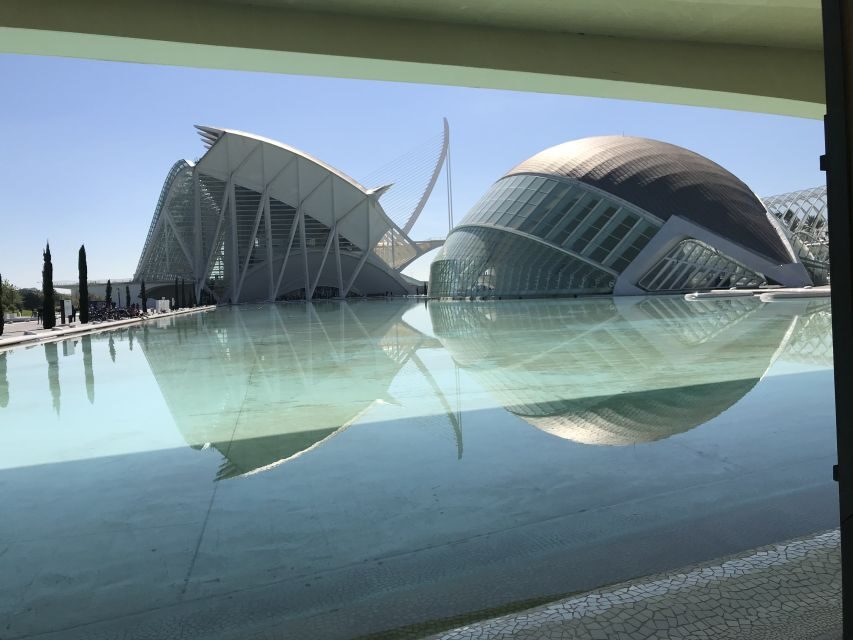
The complex includes six major buildings, and your route is structured so you see the key forms and landmarks in sequence. You’ll notice the strong, sculptural shapes and the way crystal-clear water channels surround the architecture. Even if you don’t plan on entering every facility, the outside experience is a big deal because the buildings are so distinctive at ground level.
Your guide usually does the important part for you: connecting what you see to why it matters. Calatrava’s designs aren’t just futuristic for show; they’re meant to reflect science and cultural achievement in a way that feels memorable rather than sterile. That’s why this stop lands for most people—once you’re there, the photos don’t feel like you’re documenting someone else’s idea. They look like your own.
You can also read our reviews of more city tours in Valencia



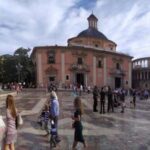

What you’ll see at the complex: the six buildings, explained simply
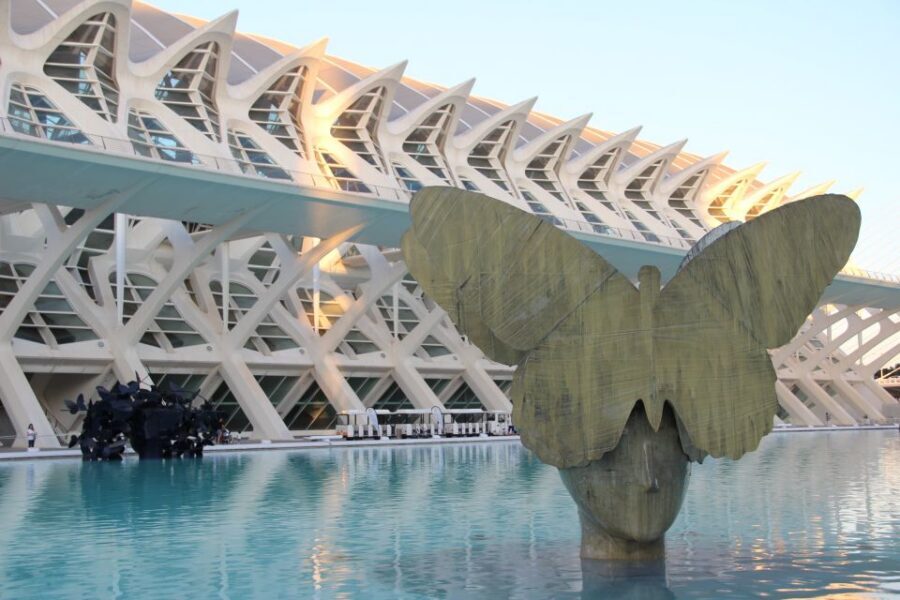
This is where the tour becomes a quick sampler of Valencia’s modern identity. Here’s how the major stops fit together and how you can decide what matters most to you.
L’Oceanogràfic: aquarium size you can’t ignore
You’ll reach L’Oceanogràfic, described as the biggest aquarium in Europe and a standout within the City. Even if you don’t buy entry tickets, it’s still worth taking in the scale and design from the outside. If aquariums are your thing, you’ll likely want to add a ticket later, but the tour itself already gives you the “where” and the “why this place is famous” so you can plan your time.
L’Hemisfèric theatre: digital projections in a signature shape
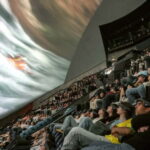
Next is L’Hemisfèric, the theater known for astonishing digital projections. From the exterior, it’s visually dramatic, and your guide can point out what kind of experiences this venue is built for. If projections are your priority, think ahead about showtimes so you’re not stuck choosing between “tour now” and “show later.”
Príncipe Felipe Science Museum: hands-on leaning toward experiments
Then you’ll pass the Príncipe Felipe Science Museum, which is all about interactive, hands-on learning. The best part here is the learning style: experiments, active participation, and questions. Entrance tickets aren’t included in the tour, but the tour gives you an easy way to decide if science museum time is worth your extra budget.
If you’re traveling with curious kids, this is the building you’ll probably hear about again later, even after the ride ends.
Palace of the Arts Reina Sofia: opera and big performances
You’ll also see the Palace of the Arts Reina Sofia, the helmet-shaped opera venue. This is the place for main opera shows. Even without tickets, it’s a strong architectural stop, and it makes sense to include it because it completes the mix: science plus culture, not just one theme.
Umbracle pavilion: the calm green break around the complex
There’s also Umbracle, a botanic garden landscape pavilion area. This is useful because it gives you a quieter counterpoint to the major indoor attractions. If you find yourself overloaded by big architecture after a full day, this kind of green pause helps your photos and your mood feel more balanced.
Ágora: concerts and sports events space
Finally, you’ll see Ágora, a flexible space where tennis matches and various concerts are organized. From the outside, it’s another reminder that this complex isn’t only museums. It’s also a city events venue.
Guides and group style: where the quality really shows
What makes this tour feel worth it isn’t just the landmarks. It’s how the guide keeps it understandable and fun.
In the experience I’m describing here, guides like Arthur/Artur and David are the kind who answer questions without making you feel rushed. That matters because Valencia’s City of Arts and Sciences can feel overwhelming at first—six buildings, different functions, and futuristic forms that you might not know how to interpret.
A private group is available too, which can be great if you want a slower pace, more chances to stop for photos, or specific interests like architecture, science, or just learning what to look for. Also, the tour works on multiple languages including Italian, Dutch, German, English, and French, so communication is usually straightforward.
One more practical note: minimum booking is 2 people per booking, so if you’re traveling solo you may need to check how the operator handles joining others. Weather can also affect whether the tour runs.
Price and value: $23 for a guided ride that actually reduces effort
At $23 per person for a 2-hour experience, you’re paying for three things: a guide, use of a modern bike, and a low-stress way to cover distance across parks and major landmarks.
Here’s what’s included:
- bottled water
- use of bicycle
- helmet if needed
- possibility to leave luggage
And what’s not included:
- entrance tickets
So you’re not paying for museum entry. You’re paying for access to the highlights with context and transport built in. For many people, that’s the smart value choice. It helps you decide what you want to pay to enter later, instead of pre-committing to tickets that don’t fit your interests.
If you’re also the kind of traveler who likes to “scan first, choose later,” this pricing model makes sense. You’ll still get the signature architecture and park experience, and you can add indoor time only if it truly calls to you.
Timing, meeting point, and what to bring (so the tour feels easy)
Plan to arrive 15 minutes before the activity starts at the meeting point. Bring a passport or ID card; a copy is accepted. You’ll want comfortable riding clothes and closed-toe shoes, and if you’re sensitive to heat, treat the bottled water as a real resource, not an afterthought.
You’re also not allowed to bring alcohol and drugs, which is a standard rule for many tours but worth noting so you’re not caught by surprise.
If you want to keep the day flexible, the tour offers free cancellation up to 24 hours in advance and you can reserve now and pay later. Weather can still force changes, so don’t lock yourself into a day with zero alternatives.
Who this tour suits best (and who should skip it)
This works best if you:
- want to see the City of Arts and Sciences without spending your entire day inside buildings
- like riding and prefer a guided route that connects old Valencia to the modern complex
- travel with someone who enjoys both parks and architecture
- want a calmer day than hopping between buses and walking back and forth
It might not be your best match if you:
- can’t ride a bike
- need an accessibility-focused option
- want guaranteed museum entry time, since entrance tickets aren’t included
Should you book this City of Arts & Sciences bicycle or e-bike tour?
Yes, if you want a high-value, low-effort way to understand Valencia’s modern identity while still getting the park beauty and old-gate context. The combination of Turia Park riding, playful stops like Gulliver Park, and the big visual payoff of Calatrava’s complex is exactly the kind of mix that makes a short trip feel bigger than it is.
If you already know which museums you want to enter, you can still book this and then add tickets on your own terms afterward. If you want a tour that includes admissions, look elsewhere. But if your goal is smart sightseeing with breathing room, this one is a strong choice.
FAQ
What does the tour cost?
The price is $23 per person.
How long is the tour?
The tour lasts about 2 hours.
Where does the tour start?
It starts at the Serranos Gates. Arrive 15 minutes before the activity begins.
What’s included in the price?
Included are bottled water, use of a bicycle, helmet if needed, and the possibility to leave luggage.
Are entrance tickets included?
No, entrance tickets are not included.
What languages are the live guides available in?
Live guides are available in Italian, Dutch, German, English, and French.
Is this tour private?
A private group is available.
What do I need to bring?
Bring your passport or ID card. A copy is accepted.
Is it suitable for people with mobility impairments or non-riders?
No. It is not suitable for people with mobility impairments, and you must be able to ride a bike.