REVIEW · VALENCIA
Private Paella & Tapas Cooking Class in a Local Chef’s Home
Book on GetYourGuide →Operated by Any day is Sunday · Bookable on GetYourGuide
Jose’s kitchen feels like Valencia.
This fully private cooking class with Michelin-trained chef Jose turns a Sunday-style meal into a hands-on lesson, with paella in five steps plus tapas, dessert, and Valencian coffee. I especially like the short chef-led walk from IVAM Museum to his home kitchen, and I love how the menu is flexible: you pick from multiple tapas and paella options. One drawback to plan around is that you’re learning at a home setup, so it’s best if you’re comfortable with a more casual kitchen rhythm than a large commercial cooking school.
You’ll start with a drink and snacks, then cook your way into real Valencia.
Between the Sangria or Agua de Valencia, the spherifications, and the guided paella process, the class mixes technique with fun conversation about local food culture. The personalization matters too, because you’re not just following one script; you choose what you want in your tapas and which rice dish you’ll make. The only real consideration is taste and dietary fit: since you choose from set options, you should confirm your needs early if you have specific restrictions.
In This Review
- Key highlights you’ll remember
- Enter Jose’s Home Kitchen: What Makes This Class Feel Local
- From IVAM Museum to the Kitchen: The 10–15 Minute Walk That Sets the Tone
- Drinks and Spherifications: How the Class Starts on the Right Foot
- Choosing Tapas and Paella: Personalization Without the Headaches
- Tapas: A Learning Course, Not Just Side Dishes
- Paella in Five Steps: Technique You Can Actually Use
- Dessert and Cremaet: Finishing Like a Local
- Why the Michelin-Trained Chef Style Works Here
- Price and Value: Is $97 Per Person Worth It?
- Who This Cooking Class Is Best For (And Who Should Think Twice)
- Quick Practical Tips Before You Go
- Should You Book This Private Paella and Tapas Class?
- FAQ
- Where does the experience start?
- How long is the cooking class?
- Is this a private class?
- What languages are available?
- How do the tapas and paella selections work?
- What drinks and other items are included?
- Do you learn how to make paella step-by-step?
- Where does the class end?
- What is included with what you learn?
Key highlights you’ll remember
- A true private class: just you and your group, fully personalized rather than a big shared workshop
- Chef Jose + a mini city walk: 10–15 minutes on foot from IVAM Museum to the home kitchen
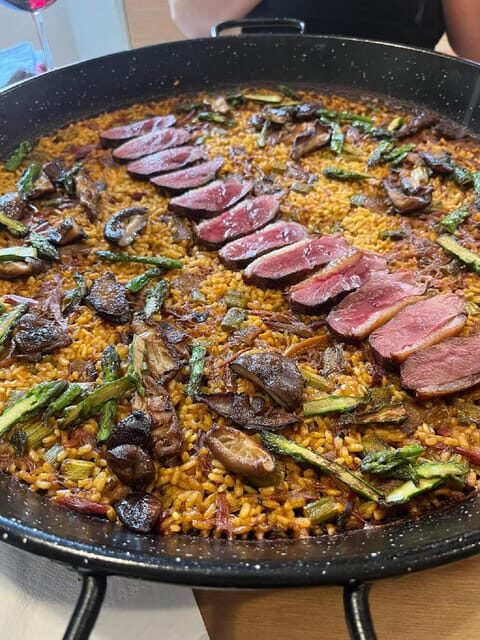
- Pick-your-menu cooking: choose 2 of 6 tapas and 1 of 4 paellas
- Paella taught in 5 simple steps: then you customize to your taste
- Valencia finishes strong: dessert plus cremaet, a classic style of Valencian coffee
- Recipe book included: so you can repeat what you learned later
Enter Jose’s Home Kitchen: What Makes This Class Feel Local
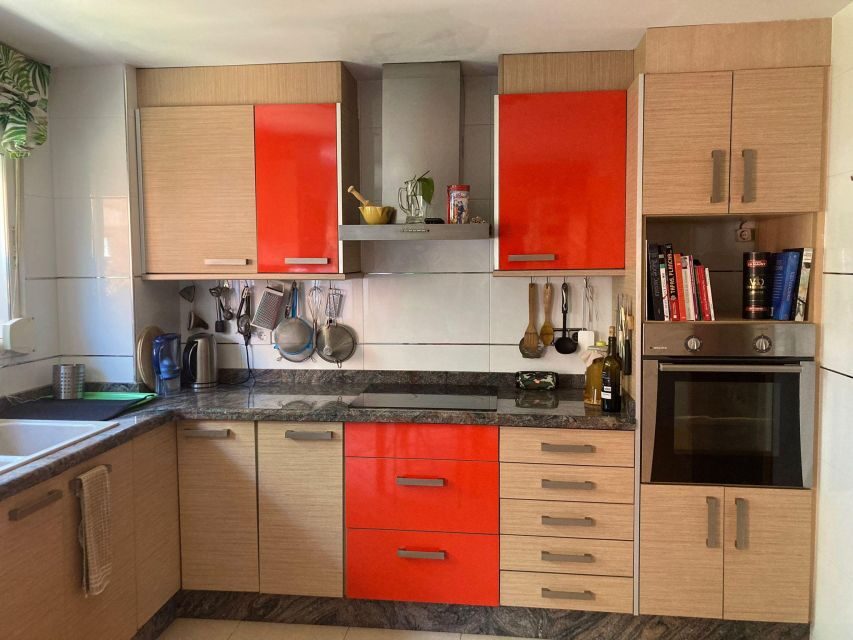
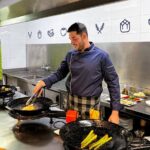
This isn’t the kind of cooking class where you watch from across the room and hope you remember the steps later. You’re in a local chef’s home, learning paella and tapas from the person who lives the cuisine every day. The vibe is friendly and relaxed, like you’re spending part of a Sunday with a good host, not surviving a classroom.
I like that it’s built around both tradition and creativity. You’ll cook a menu that includes traditional elements and a creative touch, which is a real reflection of how Valencia eats now: respectful of classics, but not frozen in time. And because it’s 100% private, the pace can match your group instead of rushing everyone through the same motions.
You also get a real sense of place because the class doesn’t just hand you recipes. It connects food to local culture and food habits, so paella isn’t treated like an anonymous tourist dish. That context makes the meal more memorable when you take your first bite.
You can also read our reviews of more private tours in Valencia


From IVAM Museum to the Kitchen: The 10–15 Minute Walk That Sets the Tone
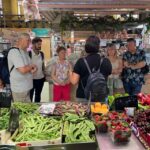
The experience starts at IVAM Museum, and you’ll meet your chef there. Then you’ll take a short 10–15 minute cultural and historical walk to his home kitchen. It’s short enough to feel easy, but long enough to get your bearings fast and get into “local mode.”
This walk is more than a warm-up. It’s a chance to ask questions early, and it helps you notice the neighborhood rhythm you’d normally miss if you stayed parked at major sights. In practical terms, it also makes the transition to cooking smooth: you arrive at the kitchen ready to eat and learn rather than still mentally commuting.
One small planning note: you’re ending back at the meeting point. If you’re pairing this with dinner plans, give yourself buffer time so you’re not sprinting across town after the last coffee.
Drinks and Spherifications: How the Class Starts on the Right Foot
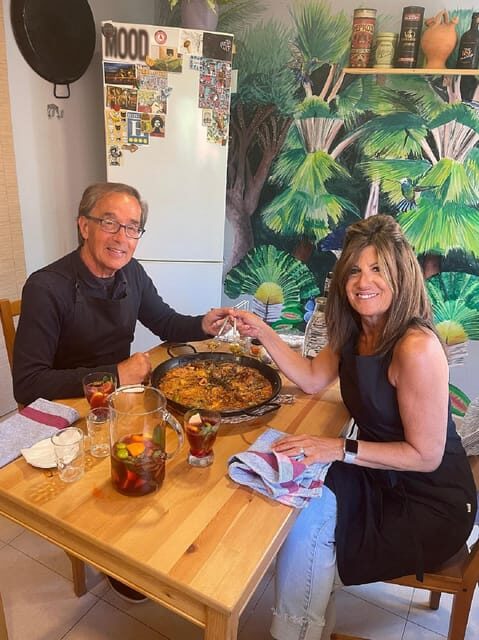
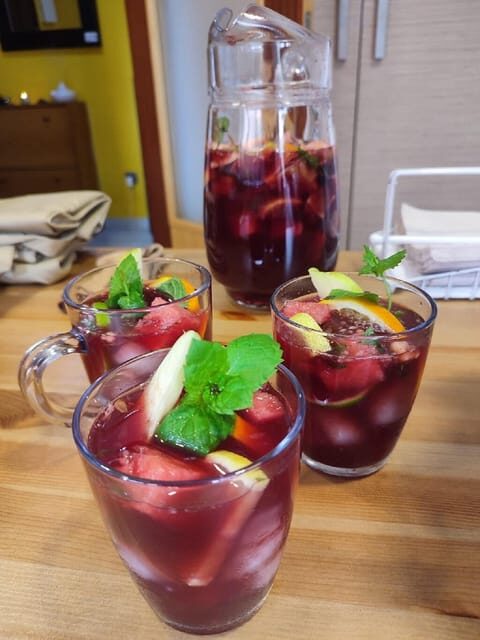
Before you cook, you’ll get settled with an appetizer drink. You can start with vermouth, Valencian beer, or a soft drink, and the experience also includes Sangria or Agua de Valencia. That matters because it sets a comfortable tempo from minute one, especially if your group is a mix of cooking confidence levels.
Then comes the appetizer moment with spherifications. This is one of those “small but clever” touches that makes the first part feel special without turning the class into a performance. It’s also a preview of the style you’ll see throughout: classic flavors with a modern creative twist.
If you enjoy hands-on cooking classes but hate when the first hour is all theory, this setup is a good match. You’re fed, you’re chatting, and you’re already in the Valencia mindset before the real cooking begins.
Choosing Tapas and Paella: Personalization Without the Headaches
Here’s where the class feels genuinely tailored: you get choices, not just one fixed menu. You’ll pick 2 tapas out of 6 options, and you’ll choose 1 paella out of 4 rice dishes. The options use very high-quality ingredients, and that quality shows up later when you taste what’s happening in the pan.
This kind of decision-making is worth something. It stops the meal from feeling generic, and it lets you steer the class toward what you actually want to eat. It also helps if you’re traveling with people who don’t all crave the same flavors. One person might lean toward a more traditional tapa, while another chooses something more playful.
A practical tip: think about what you want from the final meal before you arrive. If you know you prefer seafood, heavier flavors, or something lighter, you can make the choices faster once your chef explains the options.
Tapas: A Learning Course, Not Just Side Dishes
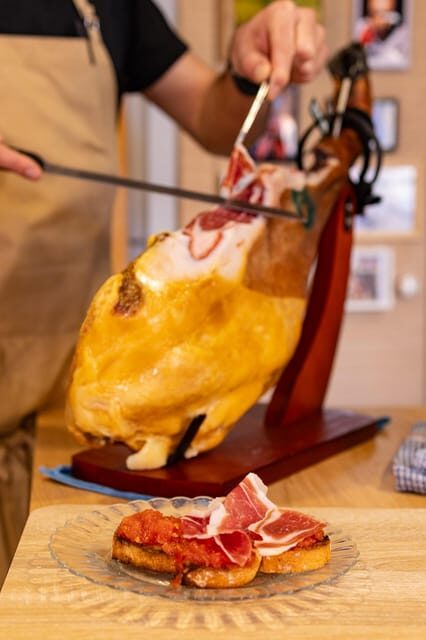
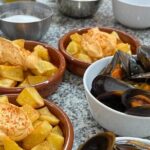
The tapas part isn’t filler. It’s part of how you learn Valencia’s flavor logic, ingredient balance, and cooking timing. Because you select your own tapas from the menu options, your cooking experience starts to feel like yours.
You’ll work with very high-quality ingredients, and the class keeps it hands-on so you’re doing more than watching. That approach is especially valuable for paella, because the same ingredient thinking applies: good base flavors, smart seasoning, and timing that doesn’t panic.
Also, tapas in this setting is a social tool. It gives you something to taste while the paella process takes shape later. You’re building a sequence, not just producing items one-by-one and hoping they line up.
You can also read our reviews of more cooking classes in Valencia
Paella in Five Steps: Technique You Can Actually Use
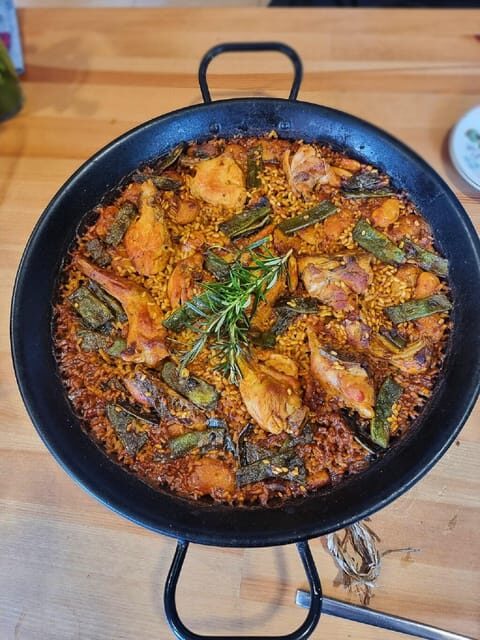
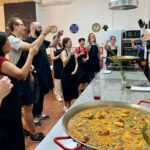
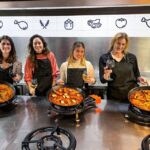
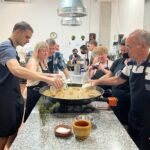
The heart of the class is paella, and the structure is clear: you’ll learn to make it in 5 steps. That’s a big deal because paella can feel intimidating if you only hear about it from afar. A five-step framework turns the dish into a set of manageable actions you can understand and repeat.
You’ll also customize the paella to your taste after learning the core approach. That personalization is what makes the lesson useful for real life, because not everyone wants the same intensity of flavor or the same balance.
Here’s what you’re really learning beneath the surface:
- how to build the flavor base for the rice
- how to manage timing so rice cooks evenly
- how to think about the amount of liquid and heat relationship
- how ingredients influence the final taste, not just the label on the menu
The chefs who succeed in teaching paella are usually good at explaining the logic without making you memorize a chemistry experiment. Based on what you’re told to expect, this class does exactly that: guided and practical, with room for you to make it your own.
Dessert and Cremaet: Finishing Like a Local
A paella class that stops at the main dish misses the point. This one keeps going. You’ll have dessert after the cooking, and the finale is a classic Valencian-style coffee called cremaet, plus a shot of rice cream.
Cremaet matters because it’s part of the way Valencia closes a meal. It’s not just caffeine; it’s a flavor ritual that fits perfectly after a dish with deep savory notes. The rice cream shot adds a sweet, local-feeling finish that helps tie the theme together.
I like that the menu is paced. You’re not rushing to the dessert just to escape the kitchen. Instead, the course feels like a full meal you could reasonably enjoy on a normal day, just with the added bonus of understanding how it’s made.
Why the Michelin-Trained Chef Style Works Here
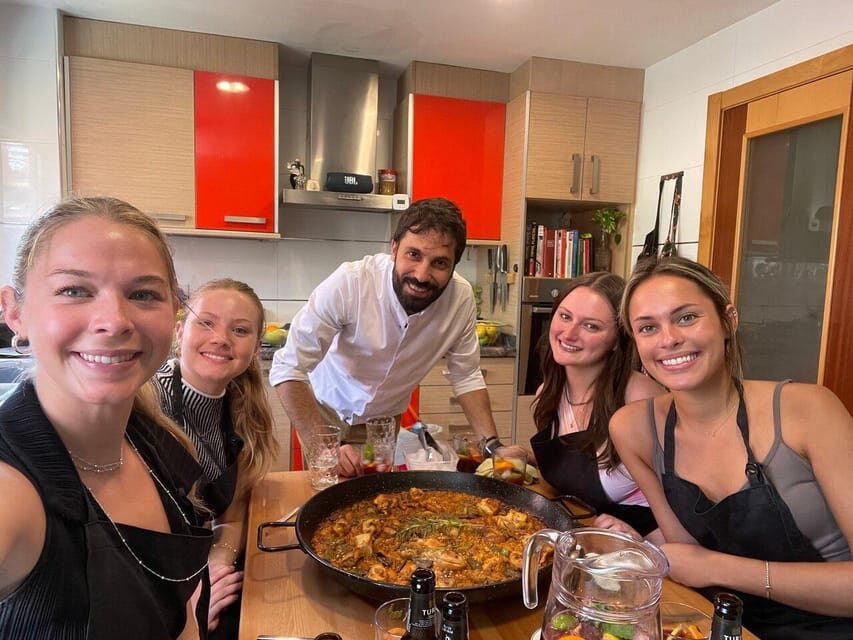
You’re being taught by a chef trained in Michelin-starred restaurants, and it shows in the way the lesson is likely organized. Michelin training doesn’t automatically mean fussy food. In this format, it usually means strong fundamentals, good sequencing, and clear instruction.
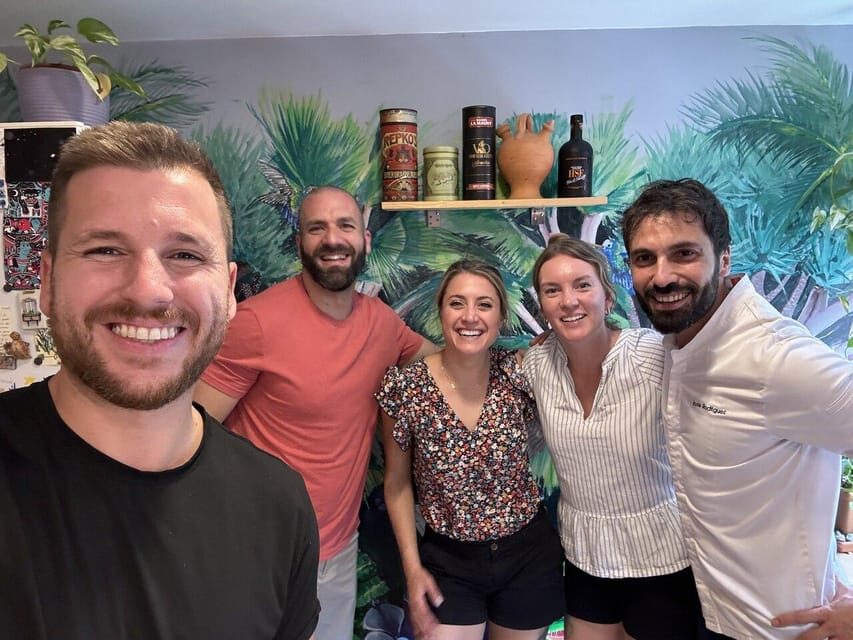
Chef Jose is also described as a kind, talented host who makes the experience feel like fun. That’s important because cooking classes often fail when the instructor is too stern or the group feels awkward. In a private setting, that warmth turns the class into a real conversation, not a formal lesson.
And the story-and-culture part isn’t just decoration. When you hear why Valencians eat the way they do, you understand why the cooking approach matters. You end up tasting the outcome with more context, which is what makes food experiences last.
Price and Value: Is $97 Per Person Worth It?
At $97 per person, this isn’t the cheapest cooking class option. But it’s priced as a private, chef-led, full meal experience with specific included items: drinks, tapas, paella instruction, dessert, cremaet, a recipe book, and that short historical walk.
So what makes it good value?
- Privacy: you’re not paying for a crowded room. A private class is often worth it if you travel in a pair or small group.
- Full menu included: you’re not just learning techniques; you’re eating a complete meal.
- Choice-based cooking: selecting tapas and paella reduces the chance you get stuck with foods you don’t love.
- Practical paella instruction: a five-step method is the kind of knowledge you can actually repeat later.
Where the price can feel less fair is if you’re coming alone and the pricing logic doesn’t match your budget. In that case, compare it with group classes that split costs across multiple people. But if you value an intimate setting and a host who explains the why behind the food, the $97 figure starts to make sense.
Who This Cooking Class Is Best For (And Who Should Think Twice)
This class is a great fit if:
- you want hands-on paella instruction with a clear method
- you like local food culture, not just the recipe list
- you’re traveling with a small group that wants privacy
- you enjoy tasting as you cook, with drinks and tapas in the mix
It’s also a good option if you’ve tried paella in restaurants and want to understand what’s actually happening in the pan. Learning the five-step process can make your future restaurant orders feel more intentional.
You might think twice if:
- you’re expecting a massive “show kitchen” setup rather than a home experience
- you only want one dish and prefer not to add tapas and dessert
Quick Practical Tips Before You Go
You don’t need to be a gourmet cook. You do need to be open to a real cooking flow. Plan on enjoying the whole meal, not treating it like a quick snack stop.
A couple smart moves:
- Decide your paella and tapas preferences in advance, so your choices feel confident.
- Come hungry. The structure includes drinks, tapas, paella, dessert, and cremaet, so you’ll want your appetite ready.
- If you’re traveling with people who have strong dislikes, talk through your preferences early so the “choose your options” part lands well.
This kind of class works best when you treat it like a shared afternoon with a local chef, not a task to complete.
Should You Book This Private Paella and Tapas Class?
I’d book it if you want a proper Valencia food day with real instruction, a friendly Michelin-trained chef, and a meal that ends with cremaet. The private setup and the menu choices are the main reasons it earns its place. You’re not just learning how to cook; you’re eating what you made, in the rhythm of a local host’s home.
Skip it if $97 per person feels like too much for your budget, or if you prefer learning in a purely restaurant-style cooking school environment. But for most people chasing authentic taste and hands-on value, this is an easy yes.
If you’re in Valencia and you care about paella beyond the tourist version, this one gives you both technique and culture. That combo is hard to find, especially in a small, personal format.
FAQ
Where does the experience start?
The activity starts at IVAM Museum.
How long is the cooking class?
It lasts about 3.5 hours.
Is this a private class?
Yes, it’s a private group experience.
What languages are available?
The instructor speaks English and Spanish.
How do the tapas and paella selections work?
You choose 2 tapas out of 6 options, and you choose 1 paella out of 4 different rice dishes.
What drinks and other items are included?
You’ll have an appetizer drink (vermouth, Valencian beer, or soft drink), Sangria or Agua de Valencia, and other drinks are included. The experience also includes dessert, cremaet (Valencian-style coffee), and a shot of rice cream.
Do you learn how to make paella step-by-step?
Yes. You learn to make paella in 5 steps, and you can customize it to your taste.
Where does the class end?
The activity ends back at the meeting point.
What is included with what you learn?
You receive a recipe book.