REVIEW · VALENCIA
Real Paella Cooking Class – Market Visit & Sangría Workshop
Book on GetYourGuide →Operated by My First Paella · Bookable on GetYourGuide
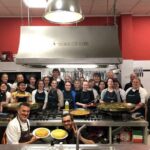
Crispy socarrat starts with your hands. In Valencia, I love starting at Ruzafa Market, where you shop like a neighbor instead of weaving through tourist crowds, and I also love how the chefs coach you until the rice gets that golden, crispy base. It’s a short, high-energy 3.5 hours, but it feels like you’re learning a real local skill, not watching a performance.
One thing to consider: the class can run with more people than you might expect, so the kitchen space gets lively and chatty. If you’re looking for quiet, slow cooking, this is more social and hands-on than that—but if you want a fun group meal with proper instruction, it’s a great fit.
In This Review
- Key highlights to look for
- Ruzafa Market shopping sets the tone for real paella
- Tapas, sangria, and DO Valencia wine before you cook
- Meat paella or seafood paella: you cook one, not both
- Mastering socarrat: the crispy rice layer Valencians talk about
- The finish: tomato salad, coca de llanda, coffee, and mistela
- Price and value: what $77 actually buys you
- Who this paella class suits best
- A few practical tips to enjoy the full 3.5 hours
- Should you book this paella-and-market class?
- FAQ
- Where does the class meet?
- How long is the paella cooking experience?
- What’s included in the price?
- Do I cook meat paella or seafood paella?
- Is extra shopping at the market included?
- What languages are offered?
Key highlights to look for
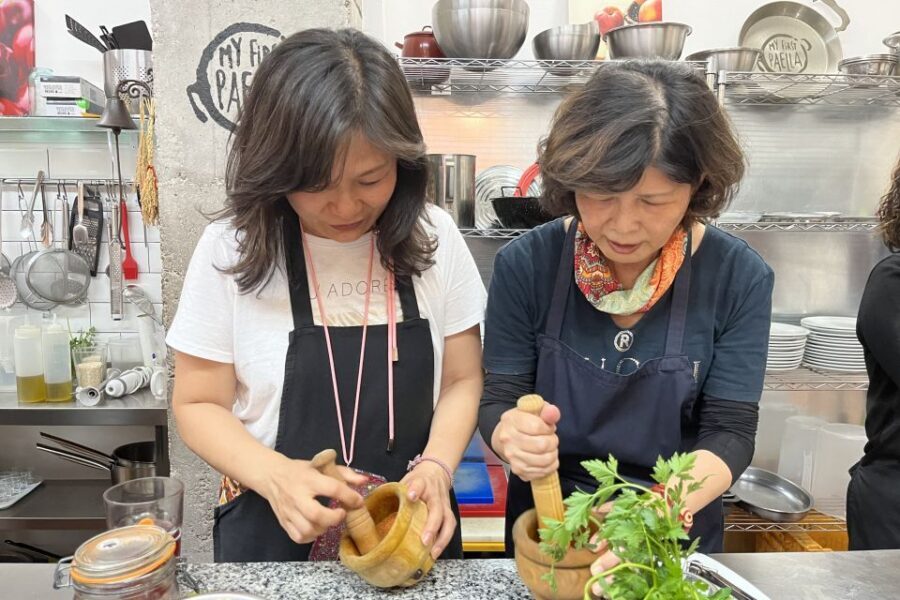
- Ruzafa Market, not Central Market: you’ll buy ingredients in a lived-in neighborhood with the chef at your side.
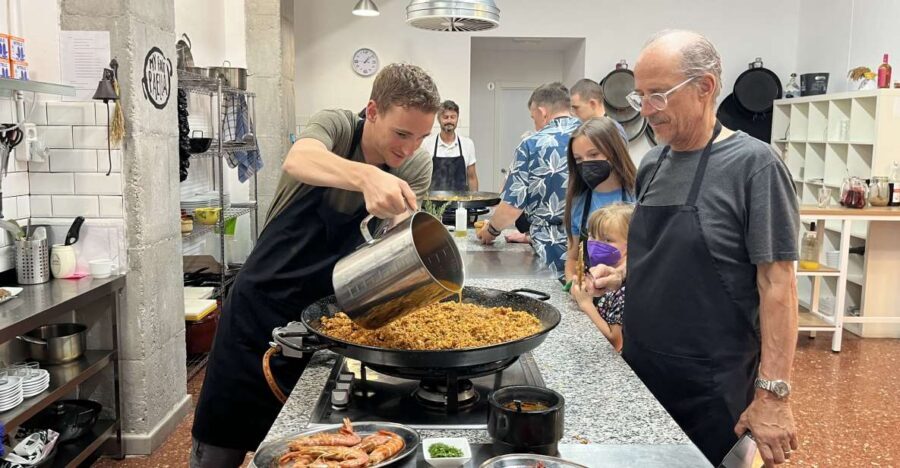
- Hands-on paella: you actively cook, not just taste and take photos.
- Socarrat coaching: you’ll learn what makes the crispy layer happen and what to avoid.
- Sangria workshop + unlimited drinks: bottomless sangria during the cooking, plus beer and DO Valencia wine.
- Your meal ends like a Valencian lunch: tomato salad, seasonal fruit, coca de llanda, coffee, and a mistela finish.
Ruzafa Market shopping sets the tone for real paella
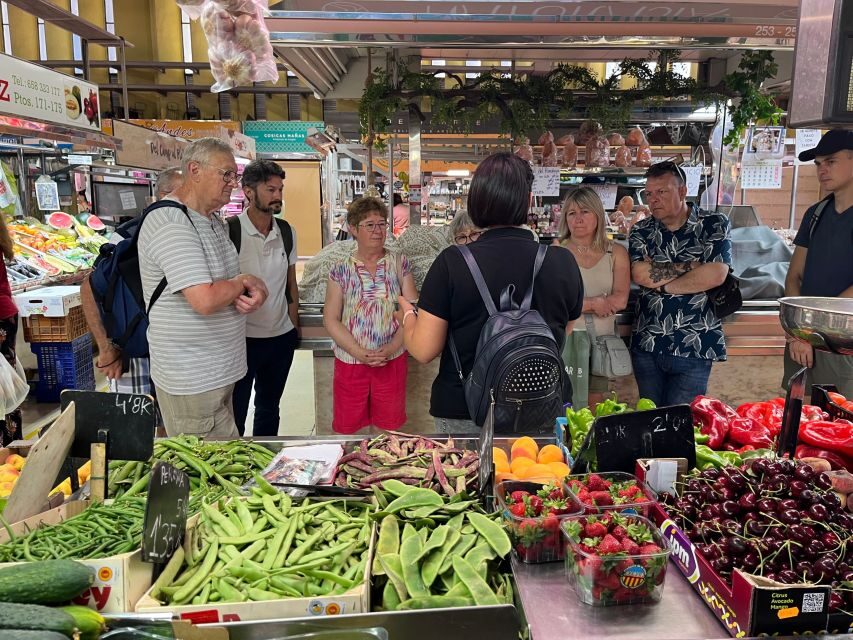
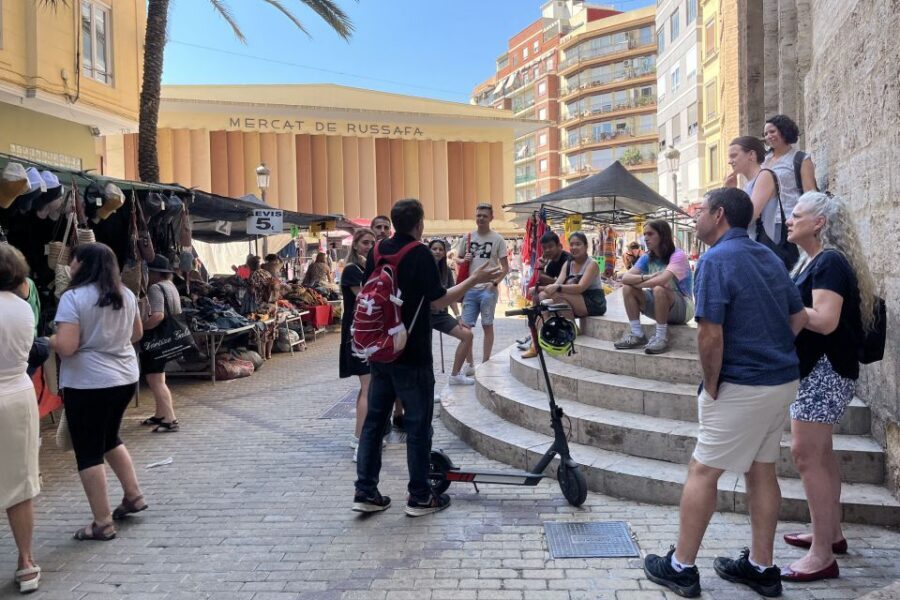
The experience starts at the door of the Church of San Valero. From there, you head straight to Ruzafa Market, and that choice matters. The whole point is to see how ingredients look and feel when locals buy them every day, not when they’re picked for a tourist display.
As you move through the market, the chef’s role is bigger than just pointing at produce. You’re learning what matters for paella: what fresh seafood looks like, how vegetables should be chosen for flavor, and why rice and saffron decisions can make or break the final dish. Even if you’ve eaten paella before, you’ll leave this market stop with a clearer idea of what you’re actually building toward.
And because it’s a neighborhood market, the vibe is steadier. You’re not rushing between stalls to find something Instagram-friendly. Instead, you’re getting a calmer sense of how Valencia eats—daily, practical, and ingredient-first.
You can also read our reviews of more shopping tours in Valencia
Tapas, sangria, and DO Valencia wine before you cook
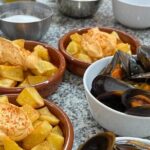
Before the stove time, you get welcomed with Spanish tapas and drinks. Expect a spread along the lines of manchego cheese, jamón (including jamón serrano), steamed mussels, patatas bravas, and olives. It’s the kind of food that helps you settle in, and it also primes your palate for what’s coming in the paella pot.
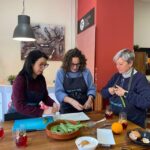
Then there’s the sangria workshop. You’ll learn how sangria is put together and you’ll toast as part of the start of the class. During the main cooking, the drinks keep going: bottomless sangria, plus beer and DO Valencia wine with your meal. Several people also mention they appreciated options beyond alcohol, including non-alcoholic choices for the shots.
The practical benefit here is timing. Eating and drinking while you learn means you’re not tired or hungry when you start handling the rice, stirring the sofrito, or timing the cooking stages. It also keeps the pace lively, and that matters in a 3.5-hour session where you need to stay focused.
Meat paella or seafood paella: you cook one, not both
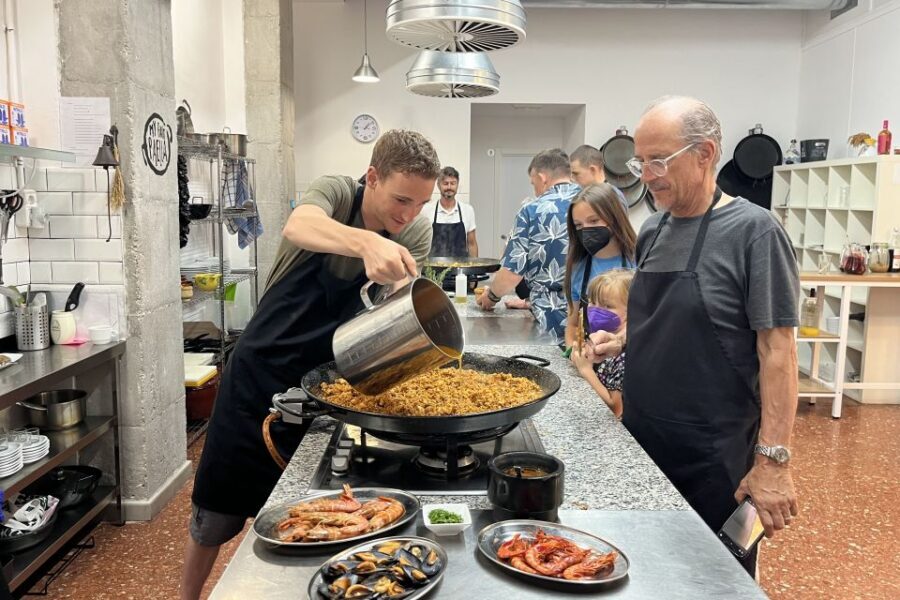
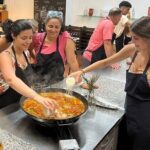
The main cooking comes in two paths: Valencian paella with meat and vegetables, or seafood paella built with the traditional salmorreta sofrito. You’ll get guided step by step either way, and in practice, groups often split so you’re working on one version rather than mixing meat and seafood in the same pan.
If you’re doing the meat-and-veg version, you’ll focus on building flavor with vegetables and traditional paella structure. If you’re doing seafood, the class zeroes in on the salmorreta sofrito—this is one of those details that sounds technical until you realize it’s just the flavor engine of the dish. When that sofrito is right, the whole paella tastes more cohesive, not just like rice topped with ingredients.
Chefs also explain how Valencian paella is supposed to be approached: not as a guessing game, but as a sequence. Several instructors are named in feedback across dates—Anna and guides including Jose, Guillermo, Christina, and others are mentioned for fun, teaching style, and warm hospitality—so you can expect a mix of instruction and encouragement. Reviews repeatedly describe a family-like vibe, with staff making sure people feel comfortable jumping in.
Mastering socarrat: the crispy rice layer Valencians talk about
This is the part most people came for, and the class treats it like the heart of the dish: socarrat, the crispy golden layer at the bottom of the paella. The instructors don’t just say it’s important—they coach you toward it.
You’ll learn the “why” behind the technique. That includes what rice brand is used in the lesson (J. Senedra rice is specifically mentioned) and how saffron should be treated. Too much saffron doesn’t make paella better; it can shift the balance and overwhelm the dish. Too little, and you miss the signature warmth saffron brings to the broth and the rice.
The other key lesson is timing and heat control. Socarrat needs the right conditions: enough heat at the right stage, and the right pause so the bottom layer can form. You’ll be guided while you cook, so you’re not left alone with a pan and a hope. That hands-on correction is exactly what makes this different from a cooking demonstration.
And yes, you should eat it with pride. The class ends with everyone sitting down together to enjoy what you made, and socarrat is the dish’s defining moment—crispy, fragrant, and unmistakably paella-style.
The finish: tomato salad, coca de llanda, coffee, and mistela
When your paella is ready, you stop cooking and start eating. This meal is part of the lesson because it shows how a Valencian lunch wraps up: fresh, seasonal, and not overly complicated.
You’ll get Valencian tomato salad, seasonal fruit, and coca de llanda, the traditional sponge cake from here. Then there’s coffee, and a shot of mistela to close things out like a local. Some descriptions also refer to a brandy-to-mistela sequence, which is part of the final flavor punch.
It’s not just dessert and drinks thrown in at the end. The menu makes sense with the rest of the experience. The tomato salad cuts through the richness of the paella. Fruit cleans the palate. The cake gives you a familiar regional sweetness, and the mistela shot turns the whole thing into a proper cultural finish.
Also, you’ll take home a recipe. That’s a big deal for value, because it means you’re not just leaving with a full stomach—you’re leaving with a plan you can actually use later when you want to try paella again at home.
You can also read our reviews of more tours and experiences in Valencia


Price and value: what $77 actually buys you
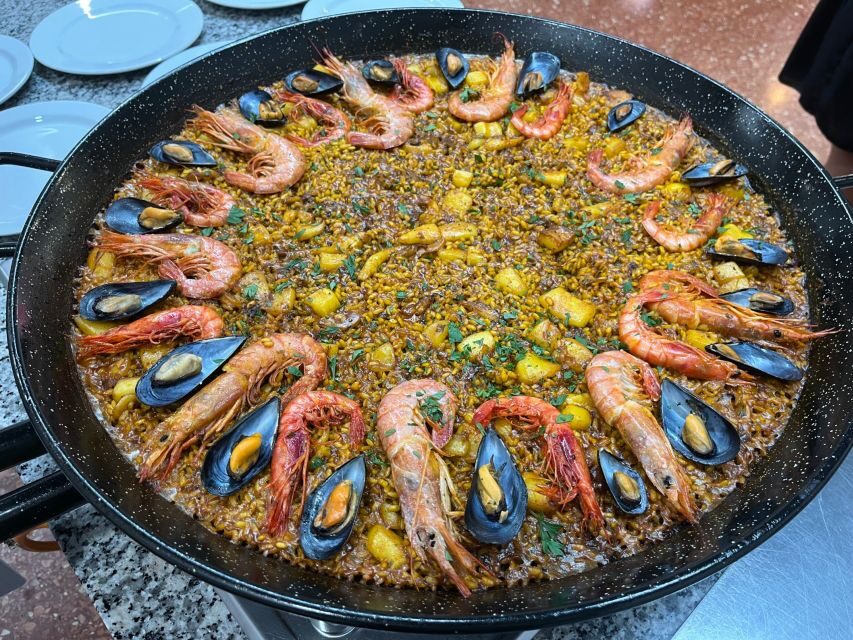
At $77 per person for a 3.5-hour class, this isn’t just a ticket to eat paella. You’re paying for several layers at once:
- Chef instruction while you cook
- Market ingredient selection with context (Ruzafa Market, not just a quick stop)
- All ingredients for the workshop
- Tapas, plus bottomless sangria, beer, and DO Valencia wine
- The full meal afterward, including dessert, coffee, and mistela
If you’ve done cooking classes before, you know the ones where you stand back and stir once. This one has more “doing” built in—your hands are in the rice, and the staff is actively correcting technique. That’s where the value lives.
You also get a recipe to recreate the method. Many cooking experiences feed you but don’t help you reproduce the result. Here, the lesson focuses on the mechanics—rice choice, saffron amount, heat timing for socarrat—so you walk away with something practical.
Only note: extra purchases at the market aren’t included. So if you see something you really want to bring home, plan on paying for it separately.
Who this paella class suits best
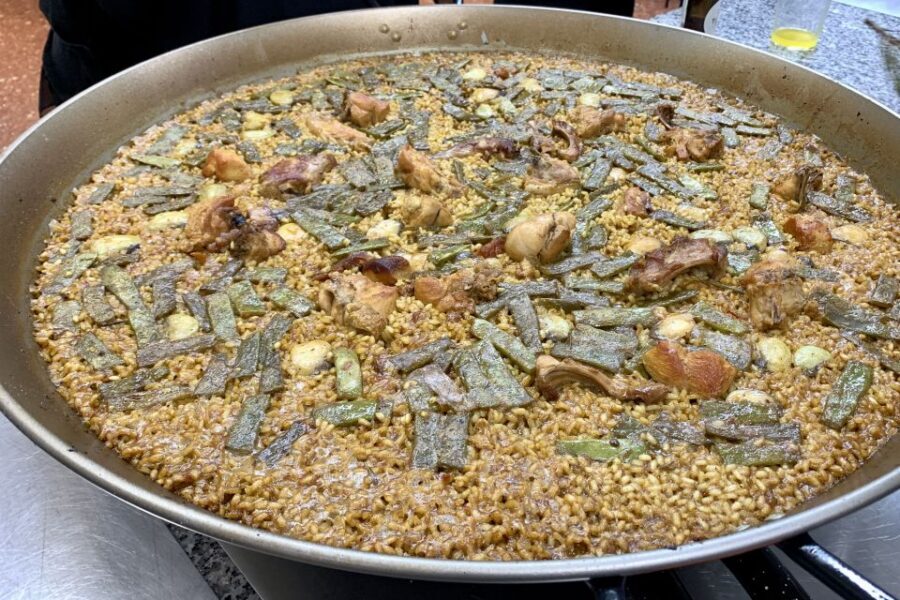
This is ideal if you want a hands-on cultural meal in Valencia. You’ll probably have the best time if you’re:
- A food lover who wants to understand the logic behind paella (rice, saffron, socarrat), not just follow a recipe
- The kind of person who enjoys meeting others and cooking in a group setting
- Traveling solo, as many people highlight the social, welcoming atmosphere and the way staff make people feel like part of the same table
It also sounds like it works for families, since feedback mentions that kids were included in activities and had fun. If you’re traveling with children, you’ll still want to keep in mind that it’s active and lively rather than quiet.
If you’re sensitive to lots of people or a boozy pace, just be aware the class is energetic and includes significant drink service. Several descriptions mention lots of sangria and a friendly, party-like vibe while cooking—great for many groups, less great for those looking for a sober, serene afternoon.
A few practical tips to enjoy the full 3.5 hours
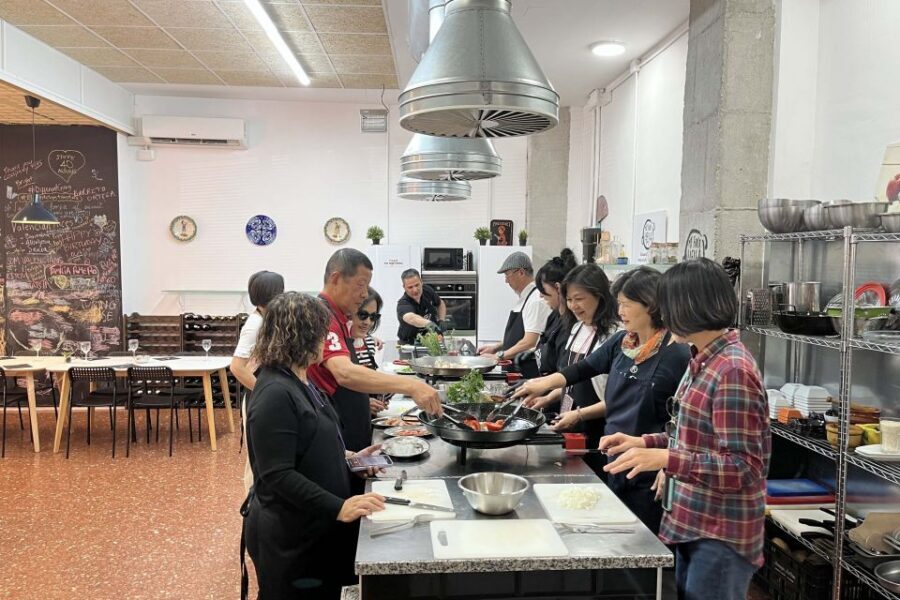
Here’s how I’d set yourself up to enjoy it without stress:
- Arrive ready for movement. You’ll walk from the meeting point near the Church of San Valero to the market, then to the kitchen area. Wear comfortable shoes.
- Go with curiosity on the rice details. The instructors specifically teach why they use J. Senedra rice and how saffron quantity matters. If you listen for those two points, you’ll remember the lesson later when you cook again.
- Watch for socarrat coaching. Don’t guess at the last stage. Ask questions if you feel unsure about timing or heat.
- Plan your appetite. You’ll eat tapas first, then cook, then have the full paella meal plus dessert and coffee. This is not a light snack tour.
Finally, if you like flexibility, you can book with reserve now and pay later options, and there’s free cancellation up to 24 hours in advance.
Should you book this paella-and-market class?
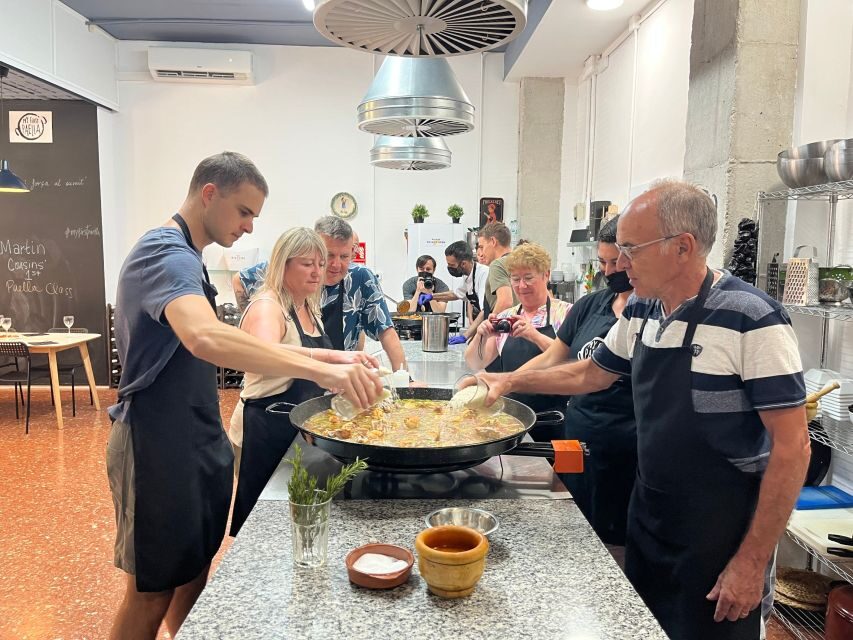
Yes—if you want the real Valencia version of paella instruction, this is a strong choice. The combination of Ruzafa Market + hands-on cooking + socarrat coaching is the key. You’ll leave with a full meal, plenty of local flavors, and a recipe you can actually use.
Skip it only if you want something quiet, minimal, or purely observational. This class is social by design. It also includes a lot of drink service (bottomless sangria, plus beer and DO Valencia wine), so it’s best for people who are comfortable with a lively, celebratory lunch atmosphere.
If your goal is to learn how to make paella the Valencian way—and not just eat it—this is the kind of experience that will stick with you.
FAQ
Where does the class meet?
Meet your guide at the door of the Church of San Valero.
How long is the paella cooking experience?
It lasts 3.5 hours.
What’s included in the price?
The price includes the paella workshop with a chef, the guided visit to Ruzafa Market, all ingredients, tapas, bottomless sangria, beer, wine (DO Valencia wine mentioned), dessert, coffee, and a mistela finish.
Do I cook meat paella or seafood paella?
The class teaches you how to make Valencian paella with meat and vegetables or a seafood paella, and groups typically cook one style rather than both.
Is extra shopping at the market included?
No. Extra purchases at Ruzafa Market are not included.
What languages are offered?
The tour guide is English.