REVIEW · VALENCIA
Valencia Paella & Tapas Home Cooking Class with Local Chef Jose
Book on Viator →Operated by Traveling Spoon · Bookable on Viator
Paella tastes different when you make it at home. This home-cooking class with Chef José focuses on the real mechanics of Valencian paella plus tapas and desserts, right near Valencia’s old-town area. You start with a short neighborhood walk, then get a hands-on lesson in flavor, timing, and techniques you can actually reuse later.
I love the combo of paella know-how and the fact that you don’t just watch—you practice key steps and learn the why behind them. I also like that you build the meal around Valencian drinks and sweets, including sangria and a horchata mousse style dessert.
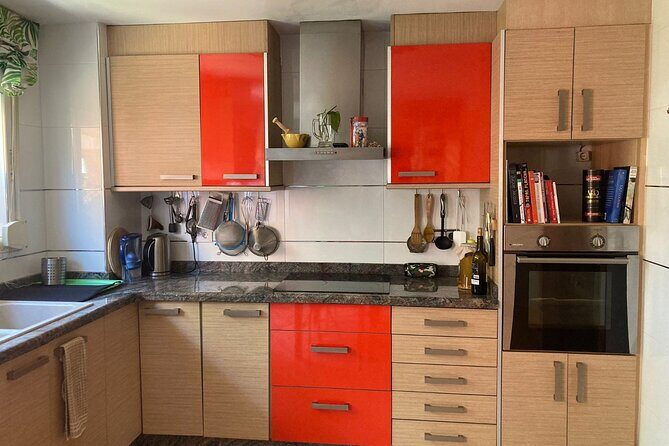
One consideration: his home is a second-floor walk-up, so stairs are part of the plan.
In This Review
- Why This Home Class Feels Like Valencia, Not a Script
- The 3-Hour Flow: From IVAM to Jose’s Dining Table
- Meeting at IVAM and a quick neighborhood orientation
- First in: a molecular gastronomy technique
- Mixing sangria that feels Valencian
- Paella: history, culture, and the method behind the pan
- Tapas while the paella cooks
- Dessert finish: horchata mousse and cremaet
- What You’re Really Paying For (Besides Food)
- The Chef Factor: Why Jose’s Teaching Style Matters
- Menu Choices and Dietary Options (What’s Actually Available)
- Who This Fits Best (And Who Might Prefer Something Else)
- Small Practical Notes That Make the Day Smoother
- Should You Book Chef José’s Paella & Tapas Class?
- FAQ
- Where do I meet for the Valencia paella and tapas home cooking class?
- How long is the cooking class?
- Is this a private class or a group class?
- What will I cook during the class?
- What are the paella options?
- Is there a vegetarian option?
- Does the class include drinks and alcohol?
- Do I need hotel pickup?
- Is the home location easy to access?
- Can I bring a service animal?
Why This Home Class Feels Like Valencia, Not a Script
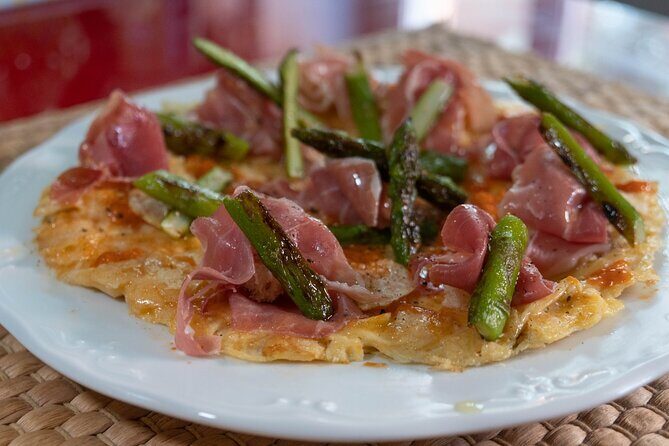
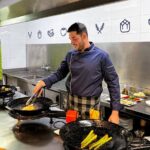
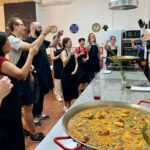
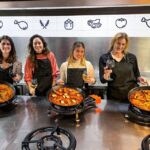
This isn’t the usual cooking lesson where you follow a recipe and hope it turns out. You’re in a local kitchen, with a chef who’s been trained in high-level kitchens and who’s teaching Valencian food in a way that makes sense for everyday cooking. The pacing is relaxed, and the experience is built around one big goal: you leave knowing what to do, not just what you ate.
The format also helps. You start with a guided walk to get oriented, then you cook in stages: sangria and a technique first, paella as the main event, tapas while the rice cooks, and desserts at the end. It’s a smart way to keep you busy and still enjoy the meal at the dining table without feeling rushed.
The 3-Hour Flow: From IVAM to Jose’s Dining Table
You can also read our reviews of more cooking classes in Valencia
Meeting at IVAM and a quick neighborhood orientation
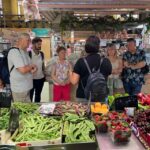
You meet at the Art Modern Institute Museum of Valencia (IVAM), at C/ de Guillem de Castro, 118, in the Ciutat Vella area. From there, you walk about 10 minutes to José’s home. It’s a small but important start: it helps you learn the neighborhood vibe and builds momentum before you step into the kitchen.
If you like tours that make the city feel close, this works. You’re not trapped in one room right away; you get a short stroll that puts the experience in context.
First in: a molecular gastronomy technique
Early on, you learn an innovative molecular gastronomy technique. The goal isn’t to turn you into a lab scientist. It’s about learning how chefs think—using texture, temperature, and presentation tricks to make familiar flavors feel new.
For you, this sets a useful baseline: paella is tradition, but great cooks still experiment and refine details. That mindset carries into the rest of the class.
Mixing sangria that feels Valencian
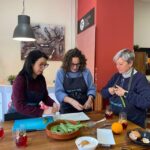
Next comes sangria. You’ll craft your own, and the process matters because sangria is more than “add juice to wine.” Expect a focus on balance and freshness, with a style that matches the way local people actually enjoy drinks with meals.
This is one of the most repeated highlights from people who did the class. The sangria stands out because you’re not just drinking—it’s part of the cooking education.
Paella: history, culture, and the method behind the pan
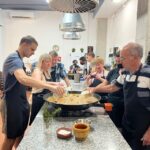
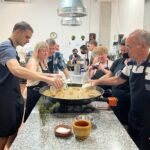
Then you get into rice and paella: its history, culture, and tradition, plus the practical “secrets and tricks” that help you cook paella at home. You’ll learn what matters most—ingredient choices and step-by-step method—so the dish isn’t a mystery later.
A helpful detail: Jose talks about how paella is tied to Sundays in Valencia, and he treats that idea as a friendly invitation to eat like it’s always a special day. It turns paella from a once-a-year event into something you can plan more often, especially after you learn the logic of the recipe.
You can choose among paella styles (menu may shift with season). Options include:
- Traditional Valencian paella
- Arroz del senyoret (seafood paella)
- Vegetarian paella (seasonal vegetables)
- Duck, mushroom, and asparagus paella
This variety is great for value because you’re not boxed into one “set” dish. It also keeps the class interesting if you’re returning to Valencia or you’ve tried paella before.
You can also read our reviews of more tours and experiences in Valencia
Tapas while the paella cooks
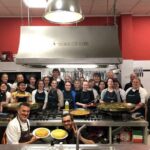
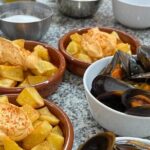
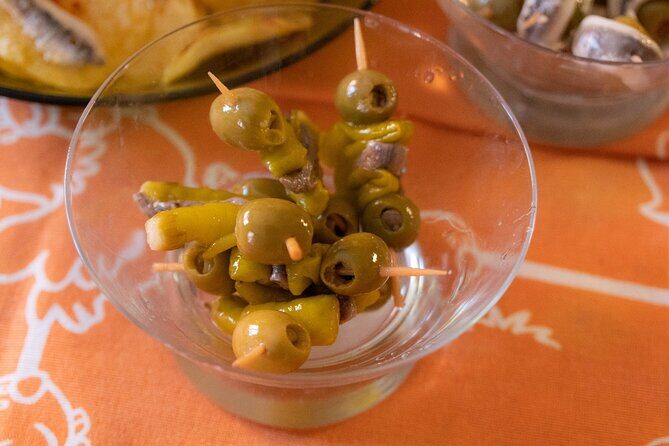
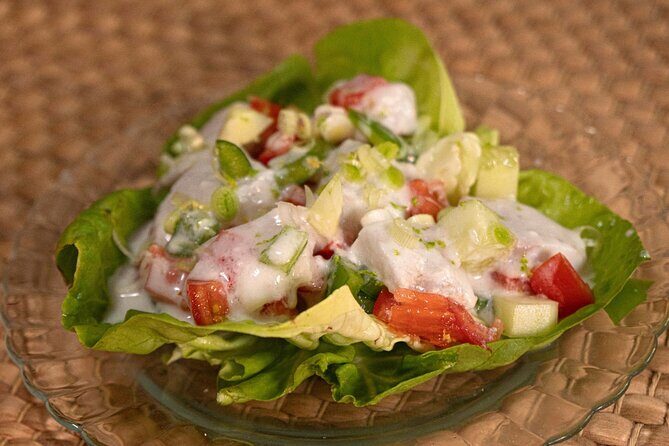
While the paella is cooking, you make two tapas from scratch. You’ll choose two out of four tapas options such as Galician-style octopus, Iberian ham and tomato toast (pan tumaca), salmorejo with tuna, and corn toast with smoked sardines, cream cheese, and basil.
This timing is smart. Paella needs attention, but it also has downtime. Using that window for tapas keeps you hands-on the whole time and gives you more than one flavor lane—so your lunch or dinner feels like a real Spanish meal, not a single-dish event.
Dessert finish: horchata mousse and cremaet
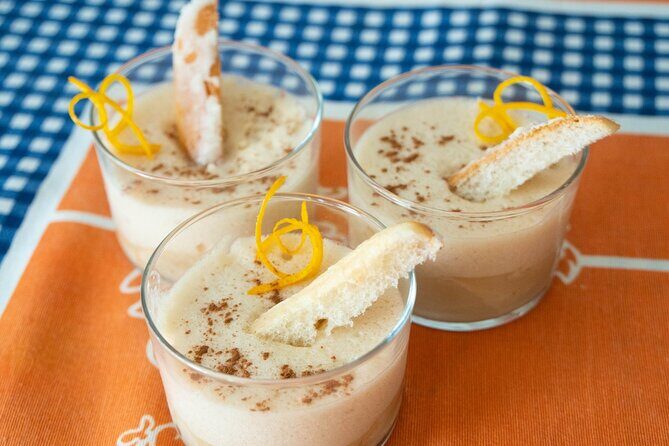
After cooking, you eat what you helped prepare at the dining table. Dessert includes Chufa de Horchata mousse, made with tiger nuts and topped with a Valencian pastry. If you like horchata, this is a different angle—creamy, sweet, and distinctively Valencian.
Coffee lovers get a second finish: cremaet, described as Valencian-style rum and cinnamon-infused coffee. It’s one of those local finishing moves that makes the meal feel complete and gives you a taste of Valencia that isn’t limited to paella.
And you leave with Jose’s personal recipe booklet. It includes a selection of paellas, tapas, and typical drinks from Valencia and Spain—so you can recreate the experience, not just remember it.
What You’re Really Paying For (Besides Food)
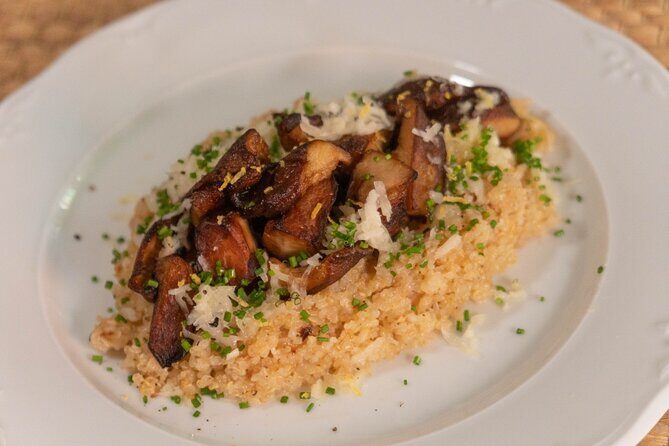
At $115 per person for about three hours, you might compare it to a restaurant meal. But this class is priced more like an “instruction + full meal + chef time” experience.
Here’s what your money covers in practical terms:
- A Michelin-trained local chef in his own kitchen
- Hands-on cooking, not just observation
- Alcoholic beverages included (sangria and matching pours)
- A full meal built from multiple courses
- A take-home recipe booklet tailored to paellas, tapas, and local drinks
The value is strongest if you cook at home or you want the “why” behind technique. People come away feeling ready to make paella again because Jose focuses on methods and small details that affect results.
If you’re just hungry and want a quick show, a different food tour might feel easier. But if you want skills plus hospitality, this is the kind of class that sticks.
The Chef Factor: Why Jose’s Teaching Style Matters
From the way people describe the session, Jose doesn’t rush. He explains each step in a way that makes the process feel doable, and he ties technique to tradition and local culture. That’s a big deal: paella fails for boring reasons—timing, heat, ingredient behavior—and the class helps you understand how to avoid the common pitfalls.
You also pick up Valencian context while you cook. Expect small nuggets about Valencian history and how food shapes local life. It doesn’t feel like a lecture. It shows up in the way he frames paella, tapas pairings, and drinks.
There’s also an added layer of personalization. The class information tells you to advise allergies, dietary restrictions, and preferences at booking, and people note that Jose may check preferences ahead of time so the menu fits you better.
Menu Choices and Dietary Options (What’s Actually Available)
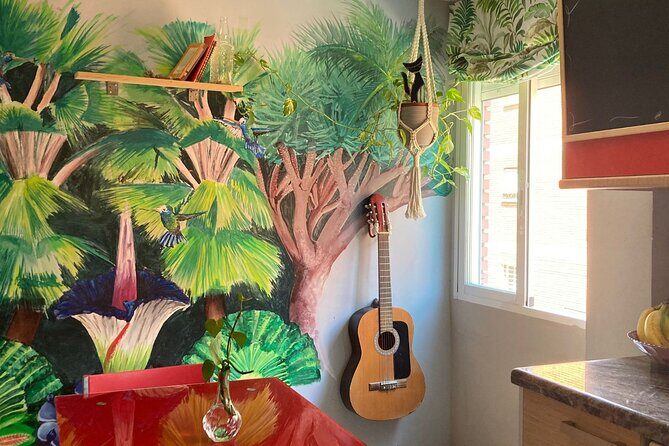
You can choose your paella style from the menu options listed for the experience. Vegetarian paella is available—just tell them at booking if you need it.
Tapas selection is flexible too. You’ll pick two out of four options, and the final menu can vary with season. If you have allergies or cooking preferences, you should share them when you book so the chef can plan accordingly.
This matters because home cooking is different from a mass-produced meal. When you give the chef the right info early, you’re more likely to get a version that works for you and still feels authentically Valencian.
Who This Fits Best (And Who Might Prefer Something Else)
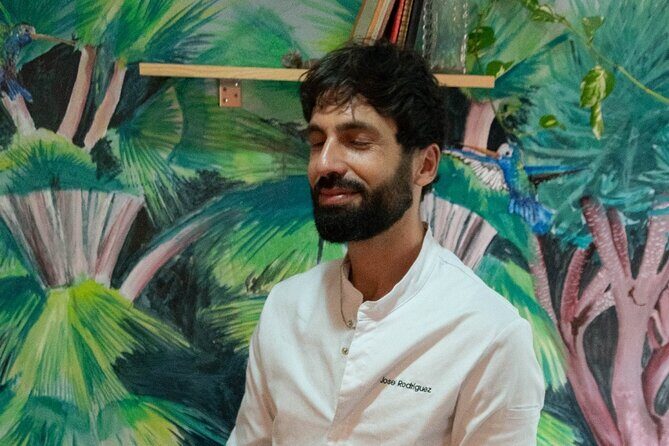
This class is ideal if:
- you like cooking and want repeatable skills
- you want paella technique explained clearly
- you’d rather eat at a real home table than in a parade of food stations
- you enjoy learning the local food culture while you cook
It also works well if you’re traveling with friends or family, since it’s private—only your group participates. That private format tends to mean more interaction and less waiting around.
If you dislike stairs, plan carefully. The host’s home is a second-floor walk-up, so you may want to bring comfy shoes and be prepared for the climb.
Small Practical Notes That Make the Day Smoother
- It’s offered in English.
- It runs about 3 hours, so treat it like a proper meal block, not a quick activity.
- The activity ends back at the meeting point.
- It’s near public transportation, which helps if you don’t want to rely on taxis.
- Alcoholic beverages are included, so plan your pace for the rest of the day.
- The menu may vary depending on the season.
One more helpful timing tip: for groups of 2–3, lunch time is recommended, while dinner time experiences are available for groups of 4+. If your group size falls in the smaller range, it’s worth aiming for lunch so your experience fits the schedule.
Should You Book Chef José’s Paella & Tapas Class?
Book it if you want an authentic Valencian meal with real cooking instruction, not a passive food stop. The biggest win is the skill transfer: paella technique, tapas execution, and local flavors like horchata mousse and cremaet—served in the comfort of a local kitchen.
Pass on it (or compare options) if your priority is nightlife or a big group party vibe. This is a home, a meal, and a teaching session. It rewards people who enjoy cooking and conversation more than people who want a rushed checklist.
If you like learning how a city eats and then taking that know-how home, this is a strong choice.
FAQ
Where do I meet for the Valencia paella and tapas home cooking class?
You meet at the Art Modern Institute Museum of Valencia (IVAM), located at C/ de Guillem de Castro, 118, Ciutat Vella, 46003 València, Valencia, Spain.
How long is the cooking class?
The experience lasts about 3 hours.
Is this a private class or a group class?
It’s private. Only your group participates.
What will I cook during the class?
You’ll make sangria, cook a Valencian paella (with options including traditional, seafood, vegetarian, or duck/mushroom/asparagus), and prepare two tapas from scratch. Dessert includes Chufa de Horchata mousse and cremaet.
What are the paella options?
Traditional Valencian paella, arroz del senyoret (seafood paella), vegetarian paella (seasonal vegetables), or duck, mushroom, and asparagus paella.
Is there a vegetarian option?
Yes. Vegetarian paella is available. You should advise the provider at booking if you require it.
Does the class include drinks and alcohol?
Yes. Alcoholic beverages are included.
Do I need hotel pickup?
No. Hotel pickup and drop-off are not included.
Is the home location easy to access?
The home is a second-floor walk-up. It’s also near public transportation.
Can I bring a service animal?
Yes. Service animals are allowed.