REVIEW · VALENCIA
Essentials of Valencia and its World Heritage Sites
Book on Viator →Operated by Turiart · Bookable on Viator
Valencia’s old center can feel like a maze. This guided walk keeps you moving between UNESCO-listed sites while someone else handles the route and the storytelling. You get a day-in-one-center kind of feel: stations, squares, markets, and major monuments, all tied to the city’s heritage.
What I like most is the mix of big-ticket sights with practical context. You also get to enter La Lonja de la Seda (normally), instead of just looking from the outside, which makes the UNESCO part actually memorable. One thing to consider: a couple of entrances depend on timing, especially for August and September evening tours.
In This Review
- Key takeaways before you go
- A fast UNESCO sampler walk through Valencia’s core
- Getting the most from the UNESCO trio: La Lonja, the Water Tribunal, and Fallas
- La Lonja de la Seda: trade architecture with personality
- The Water Tribunal: living heritage with a weekly schedule
- Fallas: an UNESCO-listed tradition linked to Valencia’s calendar
- Meeting at Estació del Nord and easing into Valencia without stress
- Plaza de l’Ajuntament: Fallas, the city’s big civic stage, and what to look for
- Ajuntament de Valencia: the building matters, but access can shift
- Mercat Central de València: Mediterranean diet talk, plus one entrance caveat
- La Lonja de la Seda inside: civil Gothic grandeur for people who notice details
- Plaza de la Virgen and the Thursday Water Tribunal at Apostles’ Gate
- Pacing, group size, and how this tour fits your day
- Practical value check: is it worth $20.85?
- Who this tour is best for (and who might want something else)
- Should you book this Essentials of Valencia UNESCO walking tour?
- FAQ
- What sites does the tour connect to UNESCO?
- Is entrance to La Lonja de la Seda included?
- Does the Water Tribunal happen on a specific day and time?
- What happens at the Central Market stop?
- How long is the tour?
- Where do you meet, and where does it end?
- Is a mobile ticket used, and can kids join?
Key takeaways before you go
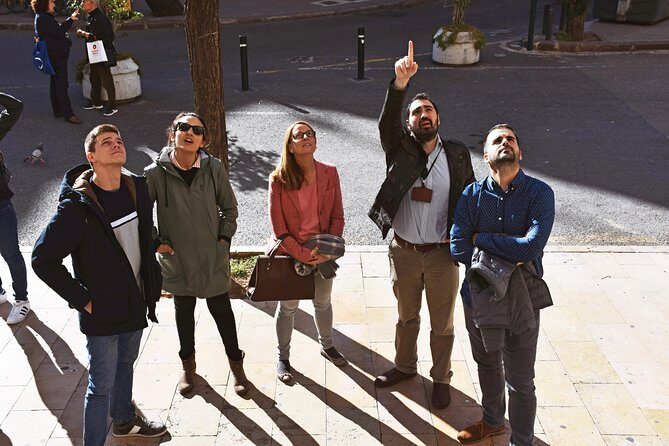
- Three UNESCO connections in one short outing: La Lonja de la Seda, the Water Tribunal, and the UNESCO-listed Fallas tradition
- La Lonja entrance is normally included, so you see the interior design, not only the facade
- A short, efficient route through the historic core, designed for first-time orientation
- Fallas is explained even if you visit outside March, so you still understand what you’re seeing
- Thursday at noon is your Water Tribunal window, if your schedule lines up
- Group size stays small (max 25), which helps questions and pacing
A fast UNESCO sampler walk through Valencia’s core
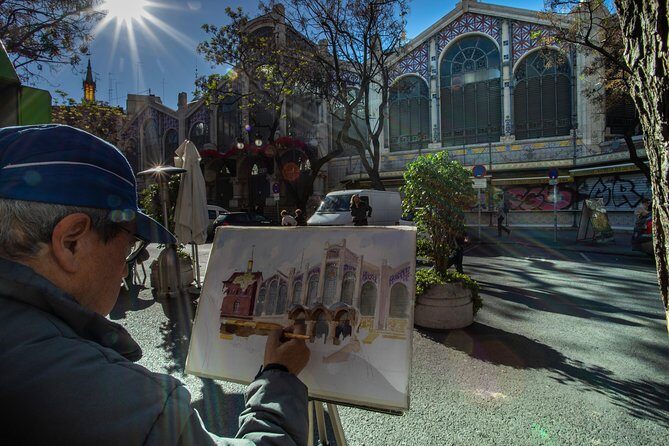
This is the kind of tour that works when you only have limited time, but still want the real names. The route is built for momentum: about 2 hours on foot through the historic center, plus guided stops that keep you from wasting time figuring out where to go next.
The tour is priced at $20.85 per person, and it punches above its weight because the guide-led portion is doing the heavy lifting. You’re not paying just for walking past landmarks. You’re paying for a guided thread that ties Valencia’s power, trade, and traditions to the places you stop at.
And yes, it’s designed for first-time visitors. If Valencia is new to you, this helps you get your bearings fast: where the squares are, how the old center connects, and which buildings you’ll want to revisit later.
You can also read our reviews of more historical tours in Valencia



Getting the most from the UNESCO trio: La Lonja, the Water Tribunal, and Fallas
Valencia has UNESCO sites that don’t all fit the same mold, and that’s what makes this combo interesting. You’re not only seeing one type of attraction (like a palace or a church). You’re also seeing how living traditions and historic trade power shape the city.
Here’s what each UNESCO connection is about, and what you can realistically expect during the tour:
La Lonja de la Seda: trade architecture with personality
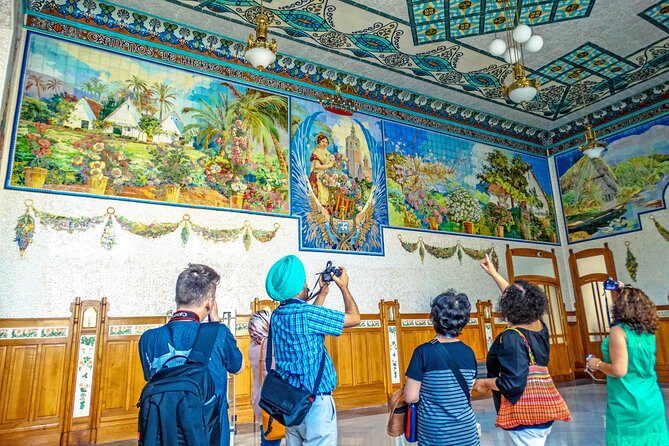
La Lonja de la Seda is Valencia’s standout civil Gothic landmark. It was declared a World Heritage Site in 1996, and the tour gives you time inside to understand why it matters. The focus is on the Sala de Contratación, where columns, vaults, and ribs create a space that feels designed for business, not decoration.
This is the kind of interior that pays off if you like architecture, because the guide can point out what you might miss if you’re just taking photos.
The Water Tribunal: living heritage with a weekly schedule
The Water Tribunal is an Intangible Heritage of Humanity site since 2008. During the tour, you’ll be at Plaza de la Virgen, and the key practical detail is timing: the Tribunal happens every Thursday at 12:00 noon, at the Apostles’ Gate of the cathedral.
If your Thursday lines up with your tour timing, this stop can feel extra special because you’re near the action at the right moment. If it doesn’t, you can still expect the history and the meaning of the tradition.
Fallas: an UNESCO-listed tradition linked to Valencia’s calendar
Fallas are discussed at the Ajuntament area, tied to Valencia’s UNESCO addition in 2016. The dates matter: Fallas are held between March 15 and 19. The guide explains that the city becomes an open-air museum of ephemeral monuments, with music, traditional costumes, and the smell of gunpowder.
If you visit outside those dates, you won’t see the monuments on the street, but you will get the cultural context. That context changes how you read the streets and squares, because Valencia is always referencing Fallas even when the main spectacle isn’t happening.





Meeting at Estació del Nord and easing into Valencia without stress
Starting at Bailén – Estació del Nord (Extramurs) is a smart move for two reasons. First, it gives you a simple first stop that anchors the day. Second, stations are practical landmarks: you’ll likely see the route you’re walking from later, when you’re moving around on your own.
The station stop is short, about 20 minutes, and it’s free to enter. In real terms, this is time for orientation—especially helpful if you arrive hungry, tired, or jet-lagged. You get a guided start, then the tour transitions you into the older, more walkable parts of the city.
Plaza de l’Ajuntament: Fallas, the city’s big civic stage, and what to look for
At Placa De L’ajuntament, the guide connects the city’s UNESCO-listed Fallas tradition with this civic setting. Expect about 15 minutes here, and the admission is free.
What makes this stop work is that it’s not just a trivia lesson. Ajuntament is a dramatic backdrop for Valencia’s public life, so the explanation helps you understand why Fallas feel like more than parties. They become a kind of temporary artwork and community performance that turns public space into a story.
If you’re not in Valencia during March 15–19, here’s the consideration to keep in mind: you’ll learn how it works, but you won’t see the ephemeral monuments in the open-air format. Still, the cultural framework is useful for planning what to do next—especially if you want to time a future visit.
Ajuntament de Valencia: the building matters, but access can shift
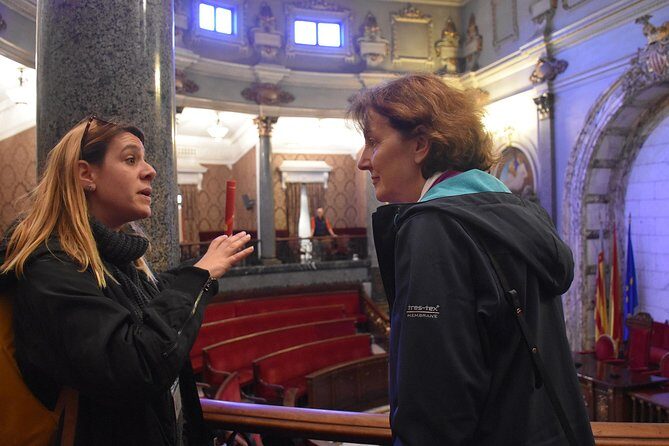
Next is Ajuntament de Valencia, with around 20 minutes on the schedule. The admission is listed as free, but there’s one important timing note: it’s for working days, except days with official events or holidays or for evening tours in August and September at 06:30pm.
In plain terms, that means you may or may not be able to get the same access on every departure. If your date falls during a holiday, or you’re booking that late-season evening slot, your experience may feel a bit more exterior-focused at this stop.
Mercat Central de València: Mediterranean diet talk, plus one entrance caveat
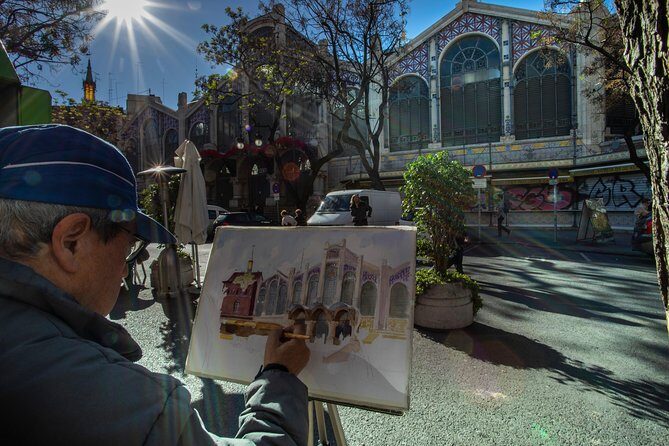
The Central Market stop is built around explanation—about 10 minutes—and it’s paired with a discussion of the Mediterranean Diet. Admission is listed as free for this stop.
Here’s the one practical wrinkle: evening tours in August and September at 06:30pm do not include entrance. So if you’re choosing a late departure during those months, plan for the possibility that you’ll get the idea and the route, but not full market access.
Why this matters: Central Market is one of those places where it’s easy to feel rushed if you’re not prepared. If you do get entrance, the architecture and food energy can be worth slowing down for. If you don’t, you can still use the stop as a springboard to come back later during a regular visit.
La Lonja de la Seda inside: civil Gothic grandeur for people who notice details
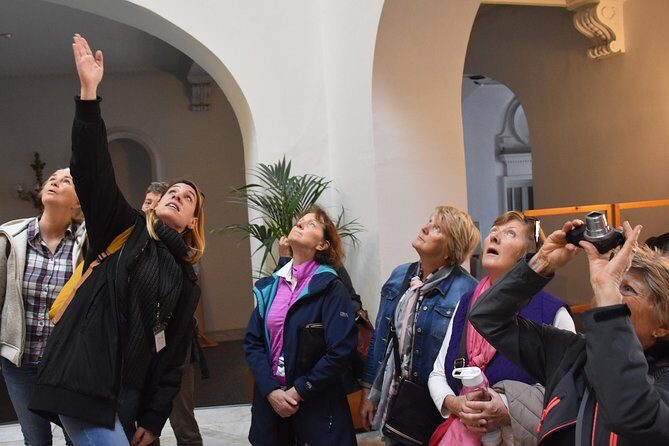
This is the heart of the UNESCO value in the tour. You enter La Lonja de la Seda, a World Heritage Site declared in 1996. The time block is about 30 minutes, with the admission included.
The tour description focuses on the Sala de Contratación—columns, vaults, and ribs—explaining how the building reflects Valencia’s prosperity during the Golden Age. Even if you’re not a dedicated architecture person, this is the kind of interior where you can feel the logic of the space. It’s designed to impress you for a reason: commerce was a public statement.
Important caveat: for evening tours in August and September at 06:30pm, entrance to La Lonja is not included. So if La Lonja interior access is a must for you, consider a daytime departure.
Plaza de la Virgen and the Thursday Water Tribunal at Apostles’ Gate
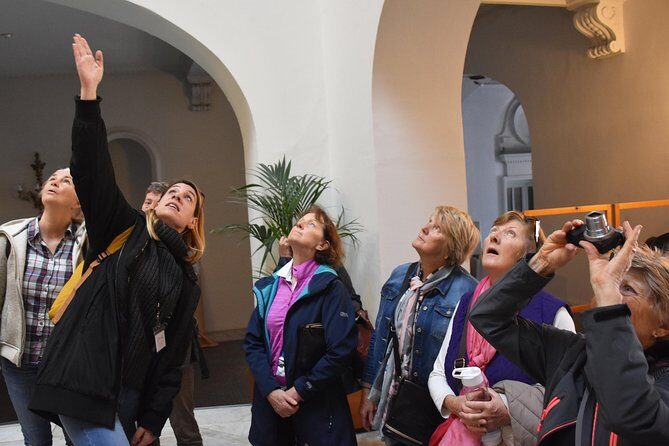
The final major landmark stop is Plaza de la Virgen, with about 15 minutes. Admission is free, and it’s centered on one of Valencia’s best-known living traditions: the Tribunal of the Waters, an Intangible Heritage of Humanity site since 2008.
The practical detail that makes this stop stand out: the Tribunal takes place every Thursday at 12:00 noon at the Apostles’ Gate of the cathedral.
So what should you do with this information? Check the day and the time you’ll be there. If it lines up, you’re in the right spot. If it doesn’t, you’ll still leave understanding what the Tribunal is and why it’s such a meaningful part of Valencia’s identity.
Pacing, group size, and how this tour fits your day
The group maximum is 25 travelers, which usually keeps things manageable in narrow streets and around monuments. The tour is also short—about two hours—so it doesn’t swallow your whole day. That’s a big deal in a city like Valencia, where you’ll probably want time afterward for the beach, neighborhood wandering, or a long meal.
In terms of pacing, the overall structure is clear: brief stops for context, then one deeper interior visit at La Lonja. That pattern is efficient. It avoids the problem of getting stuck at one place too long while still giving you at least one high-payoff moment indoors.
And because it’s a guided walking tour with a mobile ticket, it’s straightforward to run with. You don’t need to plan route turns while you’re also trying to enjoy the architecture and squares.
Practical value check: is it worth $20.85?
At $20.85 per person, the best way to think about value is not the ticket price alone. You’re paying for three things that can save you time and confusion:
- Route help so you don’t waste energy navigating between the historic-core highlights
- Interpretation so the UNESCO designations and local traditions make sense in real-world terms
- Interior access at La Lonja (normally), which is typically the hardest part to DIY on a busy visit
If you’re the type who likes to read later, you can still get a lot from this tour because it gives you names, dates, and themes. And if you prefer doing less planning, it’s especially efficient.
The one value-related consideration is timing. Evening departures in August and September can change whether entrance is included at Mercat Central and La Lonja. If you’re buying for interior access, choose your slot carefully.
Who this tour is best for (and who might want something else)
This tour is a strong fit if you want a confident first pass through Valencia’s center. It’s ideal for:
- First-time visitors who want a guided overview fast
- People who like architecture and want to understand why buildings were built the way they were
- Travelers who want UNESCO sites connected to trade and tradition, not only monuments
- Anyone who’d rather spend time in squares and interiors than figuring out directions
It might feel less perfect if you’re the type who wants long, slow museum time. This is a walk-and-explain format, not a deep, hour-by-hour crawl. You’ll likely want to come back on your own for extra time after you learn what to prioritize.
Should you book this Essentials of Valencia UNESCO walking tour?
Yes, I’d book it if your goal is a tight, guided introduction to Valencia’s UNESCO highlights with minimal stress. The pricing is reasonable for a tour that includes a professional guide and—most importantly—La Lonja entrance in the standard schedule.
Before you commit, pick your departure time with intent. If you’re traveling in August or September and you care about entering La Lonja and the market, double-check whether you’ll be booking the late 06:30pm slot, since entrances can be excluded then.
If Thursday at noon is in your travel window, also keep an eye on it. The Water Tribunal timing at 12:00 is the kind of detail that can turn a good stop into a memorable moment.
FAQ
What sites does the tour connect to UNESCO?
You’ll visit key Valencia stops tied to UNESCO listings, including La Lonja de la Seda, the Tribunal of the Waters, and a stop that explains Fallas, which was added to UNESCO in 2016.
Is entrance to La Lonja de la Seda included?
Entrance to La Lonja de la Seda is listed as included for the tour. For evening tours in August and September at 06:30pm, entrance is not included.
Does the Water Tribunal happen on a specific day and time?
Yes. The Tribunal of the Waters takes place every Thursday at 12:00 noon at the Apostles’ Gate of the cathedral.
What happens at the Central Market stop?
The guide explains the Central Market and the Mediterranean Diet. Entrance is free for the stop, but for evening tours in August and September at 06:30pm, entrance to the market is not included.
How long is the tour?
The tour lasts about 2 hours.
Where do you meet, and where does it end?
You start at Bailén – Estació del Nord (Extramurs), 46007 Valencia and end at Carrer del Micalet, 7, Ciutat Vella, 46001 València.
Is a mobile ticket used, and can kids join?
You receive a mobile ticket. Children must be accompanied by an adult, and the tour has a maximum group size of 25 travelers.