REVIEW · VALENCIA
Games and History Walking Tour in the Center of Valencia
Book on Viator →Bookable on Viator
Valencia history stops being a lecture and turns into a walk-by-challenge route. I like how it strings together big landmarks and small surprises, then keeps everyone moving with group games and badge rewards. I also like that most stops are free to see from the outside, so you can budget well and only pay for extras if you want. One consideration: parts of the tour are outside only, so you’ll feel the sun (or wind), and a couple of key sights have optional paid entrances.
The standout for me is the guide energy. In one recent group, the guide Alba was singled out for turning centuries of Valencia into clear, story-shaped explanations. You’ll get English-led guidance with a playful structure, capped at a small group size (maximum 20).
In This Review
- Key Highlights to Expect
- Walking Valencia Like a Local: How the Tour Works
- Price, Value, and the Optional Fees That Actually Matter
- The Start: Passatge Doctor Serra to Plaza De Toro
- Estació del Nord and Plaça de l’Ajuntament: Facades With Hidden Clues
- Edificio de Correos y Telegrafos: A Quick Photo-Stop With Purpose
- Mercat Central de Valencia: Architecture, History, and a Stall Time Trial
- La Lonja de la Seda: Golden Age Power From the Outside (and Sometimes Inside)
- Iglesia de los Santos Juanes and Plaza Redonda: Customs and a Smaller Square
- Plaça de la Reina and Valencia Cathedral: Resting, Reading, and Optional Views
- Plaza de la Virgen and the Almoina Archaeological Center
- Torres de Serrans to Pont dels Serrans: The Game Tally and the Turia Views
- Who This Walking Tour Suits Best
- Quick Practical Notes So You Enjoy It
- Should You Book This Games and History Tour of Valencia Center?
- FAQ
- Is the tour mostly outside?
- What optional tickets might I need to pay for?
- How long is the walking tour?
- What language is the tour offered in?
- Where do I start and where do I end?
- What’s the group size limit?
Key Highlights to Expect
- Badge-based challenges that turn plazas and facades into something you’re actively figuring out
- Outside-focused stops at major monuments, with optional inside visits for extra fees
- Real city geography from bullring area to the Serranos towers and the Turia river park
- Market and Golden Age architecture stops, including the Central Market and the Lonja de la Seda
- Flexible timing at one archaeology stop, so the route can adjust to the group’s pace
- English mobile tickets and an easy start near public transit
Walking Valencia Like a Local: How the Tour Works
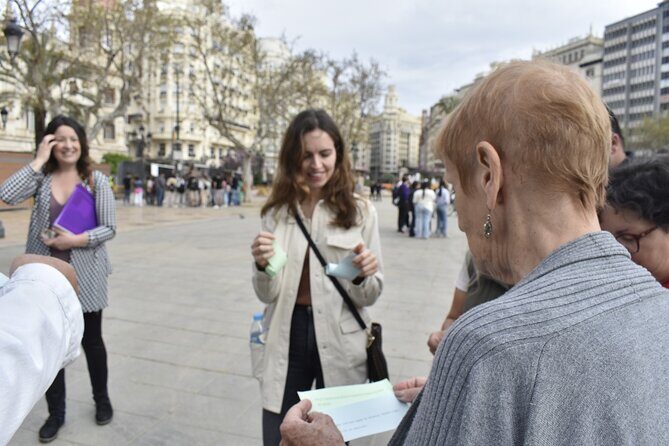
This is a 3-hour walking route through Valencia’s historic core, designed to mix sightseeing with problem-solving. You’ll start near Passatge Dr. Serra & Carrer de Xàtiva, then finish at Torres de Serranos, in the park opposite the Turia river. The pacing is built around short photo breaks and short “figure-it-out” moments, not long museum-style queues.
The format is simple: you get the route, you listen, you look closely, and you participate. Along the way you collect small rewards (think badges) to use for a final surprise. It’s not just about checking boxes. The games push you to notice details—inscriptions, symbols, architectural clues—so you leave with more than a list of names.
Budget-wise, the base price is $48.06 per person, which is a fair deal when you factor in that a bunch of the main sights are outside and free. You’re only likely to add money for one or two optional entries: Lonja de la Seda (2 euros at the door) and the cathedral bell tower (El Micalet) plus cathedral entry (if you choose both).
You can also read our reviews of more walking tours in Valencia

Price, Value, and the Optional Fees That Actually Matter
Let’s talk money in a practical way. The tour itself is priced for a structured, guided walk, and you’re not forced into paid attractions all the way through. Here’s what could cost extra, based on what you’re interested in:
- Lonja de la Seda (optional): 2 euros paid at the door
- The explanations happen outside, but you can visit inside if you want.
- Valencia Cathedral (optional):
- El Micalet bell tower climb: 2 euros at the door
- Cathedral interior entry: 5.50 euros at the door
- The main focus is outside, with the inside options only if the group wants to pause.
So if you’re the type who likes to see façades, plazas, and street-level details, you can keep it close to the base price. If you love interiors and views, you’ll likely add those optional tickets.
One small timing note: since the paid entrances happen “if the group is interested,” you might want to arrive with flexibility. If you’re on a tight schedule after the tour, decide ahead of time which optional stops matter most.
The Start: Passatge Doctor Serra to Plaza De Toro

You begin at Passatge Doctor Serra & Carrer de Xàtiva, right in the area called L’Eixample. This is a good starting zone because you’re near core transit corridors, so getting there doesn’t feel like a mission.
From there, the tour kicks off at Plaza De Toro, the bullring area. You’ll learn what the monument is, whether bullfights are still held, and how the building’s presence shapes local identity. The key practical point: you can’t visit inside here unless there’s a specific event. The tour content is done outside, so plan to enjoy the structure up close rather than expecting an interior stop.
Why it works: starting with something visually distinctive helps your brain “wake up” for architectural clues right away. If you’re used to skimming façades, the tour nudges you to slow down and notice.
Estació del Nord and Plaça de l’Ajuntament: Facades With Hidden Clues
Next comes Estació del Nord, where you’ll decode messages and stories hidden in the façade. The tour then moves to Plaça de l’Ajuntament (Valencia City Hall square), which is both a landmark and a social stage.
At City Hall square, the focus shifts from architecture spotting to group participation. There’s a group challenge where you interact with the whole group and collect badges. It’s the kind of activity that turns a “big plaza stop” into a memorable moment rather than a quick photo.
The value here is contrast. You go from a transport/architecture façade clue game to a civic-place interaction. If you like tours that feel like you’re learning how the city functions—not just what it looks like—this segment hits the sweet spot.
One consideration: since these are public squares, you’ll be mixing with normal city life. That’s part of the charm, but it does mean you might feel a bit of stop-and-go if the area is busy.
Edificio de Correos y Telegrafos: A Quick Photo-Stop With Purpose
At the Edificio de Correos y Telegrafos (in front of Plaça de l’Ajuntament), the tour is quick—just enough time to take in the building. Explanations and activities happen outside. No pressure to linger.
Why it’s on the route: it keeps the architectural theme going. The tour is clearly doing more than naming buildings—it’s training your eyes to notice how Valencia tells stories through stone, layout, and placement.
If you prefer slower pacing, you may want to mentally bookmark that this is a “hit it and move on” moment.
You can also read our reviews of more historical tours in Valencia




Mercat Central de Valencia: Architecture, History, and a Stall Time Trial
Then you reach Mercat Central de Valencia, one of the city’s best-known markets. This stop is a mix of:
- architecture and historical context, and
- an inside challenge game that feels like a time trial.
Instead of just wandering, you’re guided to explore stalls and familiarize yourself with what’s on offer. You’ll soak up the market atmosphere while you’re moving with a purpose.
Practical tip: markets can be sensory—smells, noise, crowds. The game structure actually helps you handle that. You’ll know what you’re looking for, and you’re not just getting swept along without a plan.
La Lonja de la Seda: Golden Age Power From the Outside (and Sometimes Inside)
After the market, you head to La Lonja de la Seda. This is where the tour leans into Valencia’s Golden Age, and the façade gets treated like a clue source—expect talk about what the building says through symbols and meaning.
Here’s the optional piece: the main activity is outside, but there’s flexibility to visit inside for 2 euros, paid at the door. Also important: entry is free on Sundays and holidays.
Why I think this stop is a strong use of your time: you’re not only looking at beauty. You’re learning how power and trade history show up on a façade, then you get the choice to step inside if you want the full picture.
Iglesia de los Santos Juanes and Plaza Redonda: Customs and a Smaller Square
Next is Iglesia de los Santos Juanes, where you’ll hear about old customs connected to the city’s past. The guide ties the story to a bird-and-memory kind of phrase, and the point is to help you visualize what life looked like before modern Valencia.
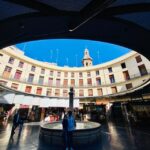
Then you visit Plaza Redonda, described as a hidden square that has changed over time. This stop is shorter, but it’s a good breather. You get a taste of quieter corners between the big-ticket monuments.
A nice thing about these two: they keep you from feeling like you’re only walking through postcard landmarks. You’re seeing Valencia as layers, not a single snapshot.
Plaça de la Reina and Valencia Cathedral: Resting, Reading, and Optional Views
At Plaça de la Reina, you’ll learn which queen the square honors and how the area shifted across centuries. The tour invites you to sit on the benches and regain strength for the bigger stop ahead. You also get to admire the Cathedral and the bell tower (El Micalet) from the square.
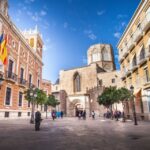
Then it’s time for Valencia Cathedral. The guided part is outside: you’ll take in the Baroque main façade and learn about the bell tower. You’ll also hear about the Gothic side door and why it carries a lot of cultural weight.
Optional add-ons:
- El Micalet bell tower climb: 2 euros at the door
- Cathedral interior entry: 5.50 euros at the door
Why this is worth building in: even if you skip the paid parts, you still get the outside story and a strong visual base. If you do go inside or up the tower, you’ll get a second layer—one more reason the tour works well for different types of travelers.
Plaza de la Virgen and the Almoina Archaeological Center
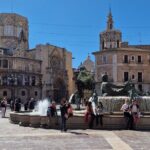
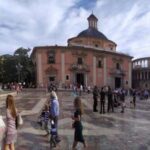
At Plaza de la Virgen, you’ll connect Valencia’s ancient religious institution with how the city’s Fallas traditions relate to it. You’ll also explore the fountain and work on another challenge from the route.
Then comes Almoina Archaeological Center, where you’ll see Roman remains tied to the founding of Valencia and early residents. The stop has flexibility: it can run longer depending on time, or you can pass through more quickly if the group needs to move along.
That flexibility matters. If you love archaeology, you’ll get enough time to feel satisfied. If you’re more of a “show me the key pieces” visitor, the route can shorten without dragging.
Torres de Serrans to Pont dels Serrans: The Game Tally and the Turia Views
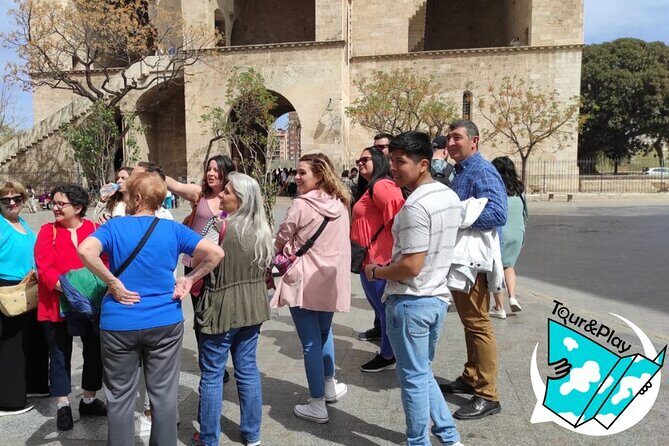
Near the end you reach Torres de Serrans, where the tour focuses on the walls and how tower functions changed. This is also where you tally up the badges you’ve earned through the games so far. There’s a “surprise” moment too—part of the fun is keeping your focus until the end rather than saving the energy for later.
Finally, you finish at Pont dels Serrans and the Torres de Serranos area by the Turia river park. You’ll learn a bit about the Turia River and why it matters in Valencia. You’ll also get a classic group photo point, with a memorable city view from the bridge side.
If you like closure moments on tours, this ending does it well. You go from puzzles to a real sense of place.
Who This Walking Tour Suits Best
This works especially well if you:
- enjoy guided walks that keep you active instead of only standing and listening
- like learning through clues, not just facts
- want a doable way to see a cluster of major sights in about three hours
- travel with kids or groups that need a structure to stay engaged (the game format helps)
- want the option to add paid interior visits without being forced
If you’re the type who hates any “game” element and wants pure quiet sightseeing, you might find the challenges distracting. But if you’re open to it, the games are exactly what make the route feel like more than a normal city tour.
Quick Practical Notes So You Enjoy It
- Expect mostly outdoor stops, even at major sights.
- Build in time to participate, not just watch. The route is designed for active attention.
- Bring comfortable walking shoes. It’s not a marathon, but it’s still a city-center leg workout.
- The tour size is capped at 20 travelers, which usually helps keep the game organized and the guide responsive.
Should You Book This Games and History Tour of Valencia Center?
Yes, if you want a fun, structured way to learn the city’s layers while moving through major landmarks. The value comes from the balance: lots of free outside sightseeing, guided context that connects buildings to meaning, and a playful badge system that turns the day into a story you can retell later.
Skip or reconsider if you need a totally quiet experience, or if you can’t handle outdoor walking in variable weather. Since the tour is designed for good weather, plan to be flexible on timing.
FAQ
Is the tour mostly outside?
Most of the stops use explanations and activities outside. A couple of sights have optional interior choices that you can pay for at the door.
What optional tickets might I need to pay for?
You can pay extra for La Lonja de la Seda (2 euros) and for the cathedral options at the door: 2 euros for the bell tower (El Micalet) and 5.50 euros for cathedral entry.
How long is the walking tour?
It’s listed at about 3 hours.
What language is the tour offered in?
The tour is offered in English.
Where do I start and where do I end?
It starts at Passatge Doctor Serra & Carrer de Xàtiva and ends at Torres de Serranos in the park opposite the Turia river.
What’s the group size limit?
The tour has a maximum of 20 travelers.