REVIEW · VALENCIA
Valencia: cook your paella (with purchase at Russafa market)
Book on GetYourGuide →Operated by La Llarga · Bookable on GetYourGuide
Paella tastes better when you cook it. This 3-hour experience in Valencia starts at Russafa Market (Brown Gate), then turns into a relaxed, hands-on paella-making session with an instructor who guides you through the what and the why.
I love the way the class begins with ingredient shopping, so you start eating the story before the first bite. I also love the timing: while the paella is cooking, you get sangria and tapas to snack on and keep the energy up. One consideration: it’s only 3 hours, so it’s not a slow, step-by-step marathon—you’ll get the essentials, but you’ll want to pay attention and ask questions if anything feels unclear.
In This Review
- Quick Takeaways Before You Go
- Cooking Valencia’s Paella the Practical Way
- Russafa Market Brown Gate: Where the Class Starts
- Shopping for Paella Ingredients: More Than a Photo Stop
- Cooking Station Setup: Tools, Apron, and Real Participation
- Sangria and Tapas While You Cook: The Best Kind of Break
- The Paella-Making Flow: What You’re Learning in 3 Hours
- Cooking With Confidence: Why the Recipe Matters
- Taste Check: What “Best Paella” Usually Means Here
- Price and Value: Is $64 Worth It?
- Timing and the 3-Hour Reality
- Who This Class Suits Best
- The Verdict: Should You Book This Paella Class?
- FAQ
- How long is the Valencia paella cooking experience?
- Where do you meet for the tour?
- Where does the experience end?
- What will I cook during the class?
- Do I get sangria and tapas?
- What’s included in the price?
- Are there multiple languages available?
- Is the class wheelchair accessible?
- Is there a cancellation option?
- Can I reserve without paying right away?
Quick Takeaways Before You Go
- Russafa Market start: you begin by buying ingredients in the Russafa Market area, not by showing up hungry
- Hands-on paella: you cook with tools, an apron, and a recipe you can use later
- Sangria + tapas mid-cook: snacks and drinks are built into the flow, not tacked on afterward
- Tips and tricks included: instruction focuses on how to cook paella, not just what to eat
- Friendly group vibe: hosts like Ramon and Jordi tend to make it feel social and easy to join in
Cooking Valencia’s Paella the Practical Way
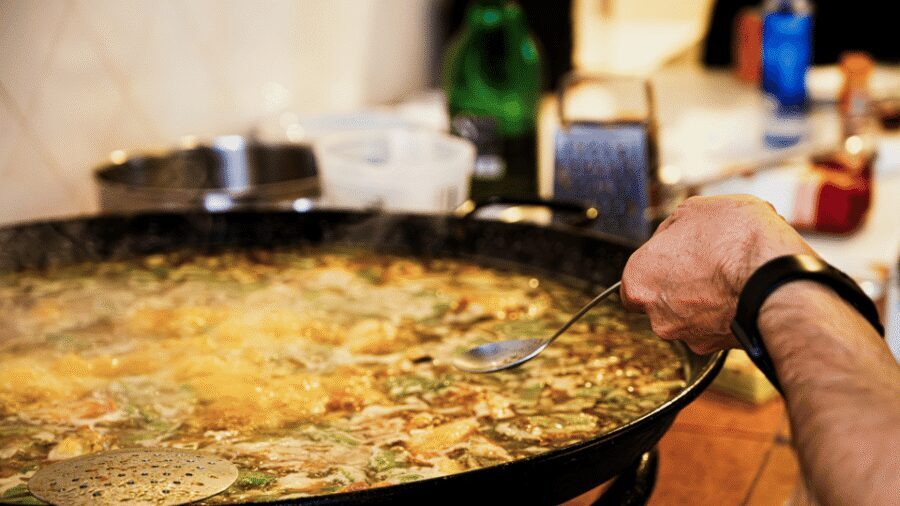
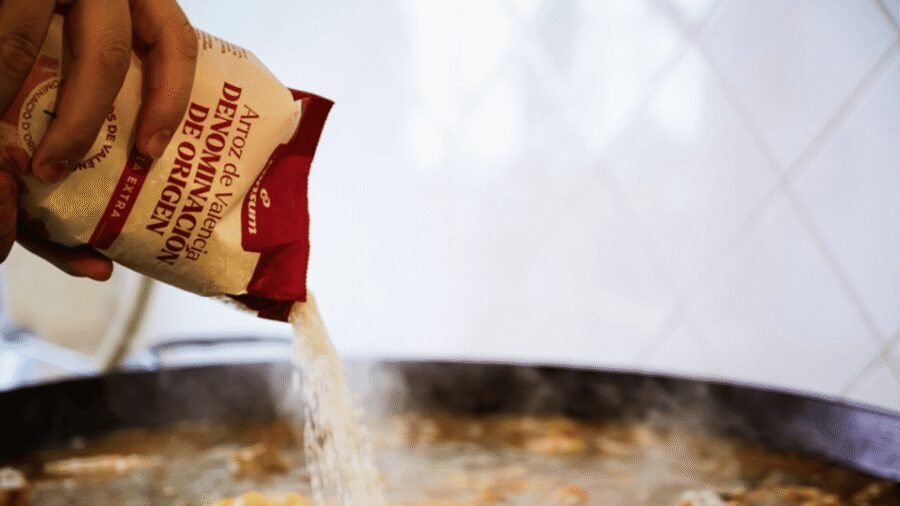
Valencia has a reputation for paella, but there’s a big difference between ordering it and understanding it. This class is built for people who want the real deal: you handle the pan, you follow the method, and you learn enough to do it again at home.
What makes it work is that it’s not just a cooking show. You start with the market, then you cook, and you eat what you made. That loop matters, because you connect ingredients to flavor right away—no waiting, no guessing, no “trust the chef.”
You can also read our reviews of more shopping tours in Valencia
Russafa Market Brown Gate: Where the Class Starts
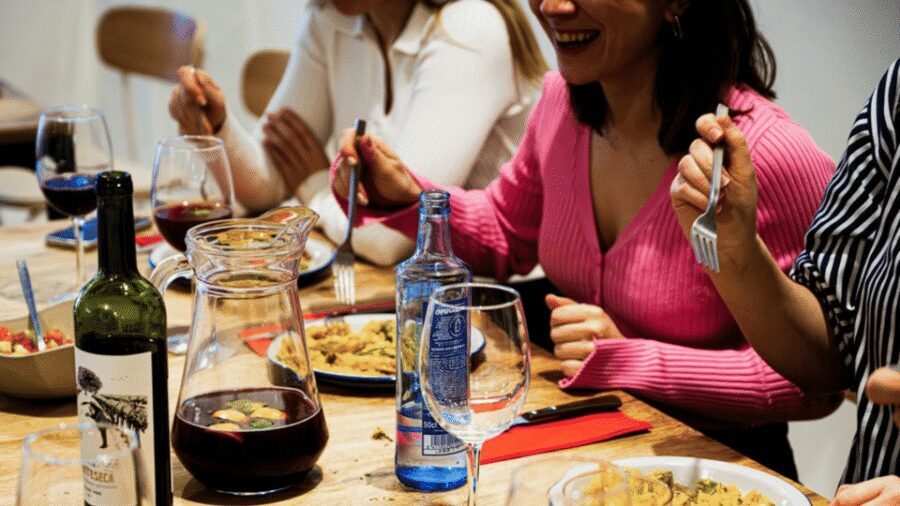
The meeting point is at Russsafa (Russafa) Market Brown Gate, and the experience ends back near the start. That round-trip layout keeps things simple: you don’t need to figure out local transport mid-class, and you’re not bouncing around Valencia all afternoon.
The market portion isn’t just for walking. You’re there to buy the ingredients for your paella, and it sets the tone for the whole session. It’s also a fast way to get comfortable with the group—people talk, point things out, and start learning without it feeling like a lecture.
A nice touch is that you’ll do this with an instructor in Spanish, English, or French, depending on what’s running. If language matters to you, this is a big advantage because cooking terms and kitchen steps are much easier to follow when you can understand the explanation clearly.
Shopping for Paella Ingredients: More Than a Photo Stop
You’re going to a real food market with local produce and food culture on full display. The goal here is practical: you’re buying ingredients for the paella pan you’ll use later, so the market walk isn’t wasted time.
Here’s what I think you’ll like about this part: it trains your eye. Even without a long supermarket-style lecture, you get guided help on what goes into a proper Valencian paella and why freshness and quality matter. It’s the kind of shopping skill you can reuse after the class.
Also, it’s a good reality check. If you’ve only cooked with packaged ingredients before, this is where you learn what changes when you start from market-level quality. And if you’re a foodie who likes buying smarter, this is your moment.
Cooking Station Setup: Tools, Apron, and Real Participation
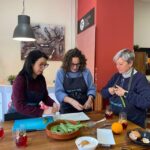
Once you leave the market, you move to the cooking space and get ready to work. The experience provides kitchen tools and an apron, so you’re not showing up empty-handed or hunting for supplies you didn’t pack.
This is where the class earns its strong rating. The setup is built for participation: the host encourages contributions during prep and cooking, so you’re not just watching from the sidelines. Multiple hosts are named in feedback—Ramon and Jordi come up often—and the common thread is energy plus clear instruction.
One of the best parts of a hands-on cooking class is that you can’t hide behind a screen. If you want to learn the method, you’ll naturally pay attention because you’re doing the steps yourself. And if you’re unsure, you’ll have the instructor right there in the kitchen.
Sangria and Tapas While You Cook: The Best Kind of Break
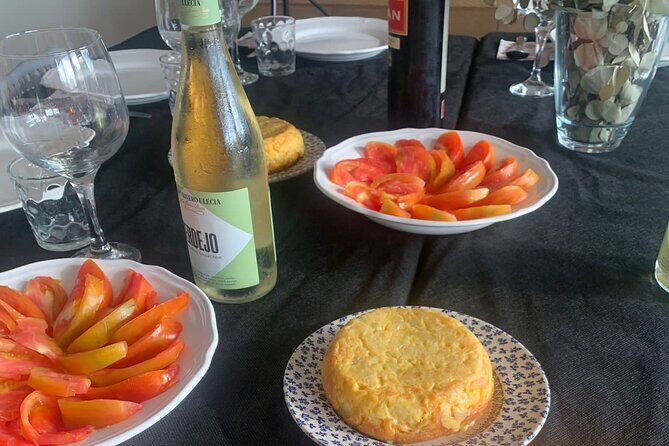
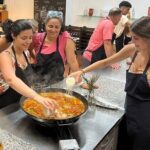
While the paella is cooking, you get sangria and an aperitif tapa. That matters more than it sounds. The paella process takes time, and this keeps the experience lively without turning into a chaotic party.
You’ll also get some guidance on the sangria side. In the feedback, hosts like Ramon are praised not just for teaching paella, but for sharing tips for making sangria too. That’s a win because it gives you a drink recipe you can repeat, not just a one-time glass in a classroom.
What you should expect from the tapas part: it’s there to snack alongside the cooking. It’s not a separate formal meal, so don’t plan on replacing dinner with it. Instead, think of it as the perfect pause that matches the pace of cooking.
You can also read our reviews of more tours and experiences in Valencia

The Paella-Making Flow: What You’re Learning in 3 Hours
The core of the experience is learning how to cook Valencian paella. The class includes a recipe plus tips and tricks, and the method is taught as you cook, not after.
Even in a short 3-hour window, you can learn the essentials that make a real difference at home:
- how to time steps so you don’t rush the cooking end
- how to manage the cooking process while you wait for the paella to come together
- how to connect the recipe to what you’re seeing in the pan
I like that the class is structured like a workflow. You’re not overwhelmed with theory, but you also aren’t stuck doing mindless chopping. You’re learning a process.
And yes, the final outcome is the point. Feedback highlights that the paella you make is delicious and that the instruction helps people recreate it later. That matters because a good class doesn’t just fill your stomach—it gives you a plan you can trust.
Cooking With Confidence: Why the Recipe Matters
Most people come home with a great memory and a vague recollection. Here, you get something more useful: a written recipe and the guidance that goes with it.
That’s how you avoid the common souvenir-problem of cooking classes. If you can’t remember what you did, you can’t reproduce the result. The recipe and tips are the bridge from Valencia to your kitchen.
I also like that you’re not expected to be a chef. You’re expected to follow steps, ask questions, and participate. That’s why this tends to work well for mixed groups—some people love cooking, others just want to understand the basics and eat well.
Taste Check: What “Best Paella” Usually Means Here
You’re going to judge your class by one thing: how good your paella tastes. In feedback, the paella gets strong praise for being superb and tasting like real Valencia, not like a watered-down demo.
There’s a reason this makes sense. The class doesn’t position paella as fancy restaurant theater. It teaches you to make it in a way that you can taste immediately, with the right context from the market ingredients.
If you’re the type who likes to compare, this is a good setting. You’ll have a reference point for what paella should feel like when you follow the method correctly, and then you can decide how that compares to what you’ve eaten elsewhere.
Price and Value: Is $64 Worth It?
At $64 per person for a 3-hour session, this isn’t a budget craft class. But it also isn’t “just a snack and a show.”
Here’s what the price covers based on what’s included:
- cooking tools and an apron
- a recipe plus tips and tricks
- starters
- a drink and paella (and the class flow includes sangria and tapas while cooking)
That bundle changes the math. If you tried to replicate this by yourself, you’d likely spend money on ingredients, cookware time, and a recipe/guide you trust. Paying for instruction also saves you from the trial-and-error stage where many home paellas miss the mark.
The real value, though, is the combination: market shopping plus cooking plus eating. You’re not just learning in a kitchen; you’re learning how ingredients become a dish.
Timing and the 3-Hour Reality
The duration is 3 hours, and starting times vary based on availability. That timeframe is long enough to shop, cook, and eat, but short enough that it fits into a normal Valencia day.
One practical tip: treat this like a real activity, not a casual wander. Wear comfortable shoes for the market part, and don’t schedule something stressful immediately afterward. You’ll be cooking, tasting, and lingering a bit.
Because the experience is built around the cooking window, you’ll feel best if you arrive on time and stay mentally present while the paella is working.
Who This Class Suits Best
This is a great fit if you:
- want a hands-on way to experience Valencian food culture
- like learning by doing, not only by listening
- want a take-home paella plan with a recipe
- enjoy a social cooking setting with snacks and drinks while you work
It’s also a good option for couples, friends, and visitors who want something more personal than a typical dinner. Hosts like Ramon and Jordi are repeatedly praised for friendly teaching and fun energy, and that tends to make participation feel easy for beginners.
If you’re the type who already cooks paella frequently and wants a super technical course with lots of time, you might find the 3-hour format limiting. But for most people, it’s exactly the right size to learn and succeed.
The Verdict: Should You Book This Paella Class?
I’d book it if you want Valencia food you can recreate, not just something you eat and forget. The market start at Russafa Market Brown Gate gives the class context. The hands-on cooking makes it memorable. And the included sangria, tapas, starters, and paella turn a learning session into a full experience.
Book with confidence if you’re open to cooking in a group and you’ll be actively involved. You’ll leave with a recipe, tips and tricks, and the kind of confidence that comes from standing at the pan and getting it right.
FAQ
How long is the Valencia paella cooking experience?
The experience lasts 3 hours.
Where do you meet for the tour?
You meet at Russsafa Market Brown Gate.
Where does the experience end?
It ends back at the meeting point.
What will I cook during the class?
You’ll cook Valencian paella.
Do I get sangria and tapas?
Yes. Sangria and an aperitif tapa are included while the paella is cooking.
What’s included in the price?
Included items are kitchen tools, apron, recipe, tips and tricks, starters, a drink, and paella.
Are there multiple languages available?
Yes. The instructor speaks Spanish, English, and French.
Is the class wheelchair accessible?
Yes, it is wheelchair accessible.
Is there a cancellation option?
There is free cancellation up to 24 hours in advance for a full refund.
Can I reserve without paying right away?
Yes. You can reserve now and pay later.